


- Expeditions
- 6000M Peaks
- Meera Peaks

Altitude
6461m

Co-ordinates
27.6997° N, 86.8686° E

Duration
16 Days

Best Season
Spring and Autumn

Activity
Peak Climbing

Trip Grade
Moderate to Difficult (Alpine PD – Peu Difficile)
Mera Peak (6461m)
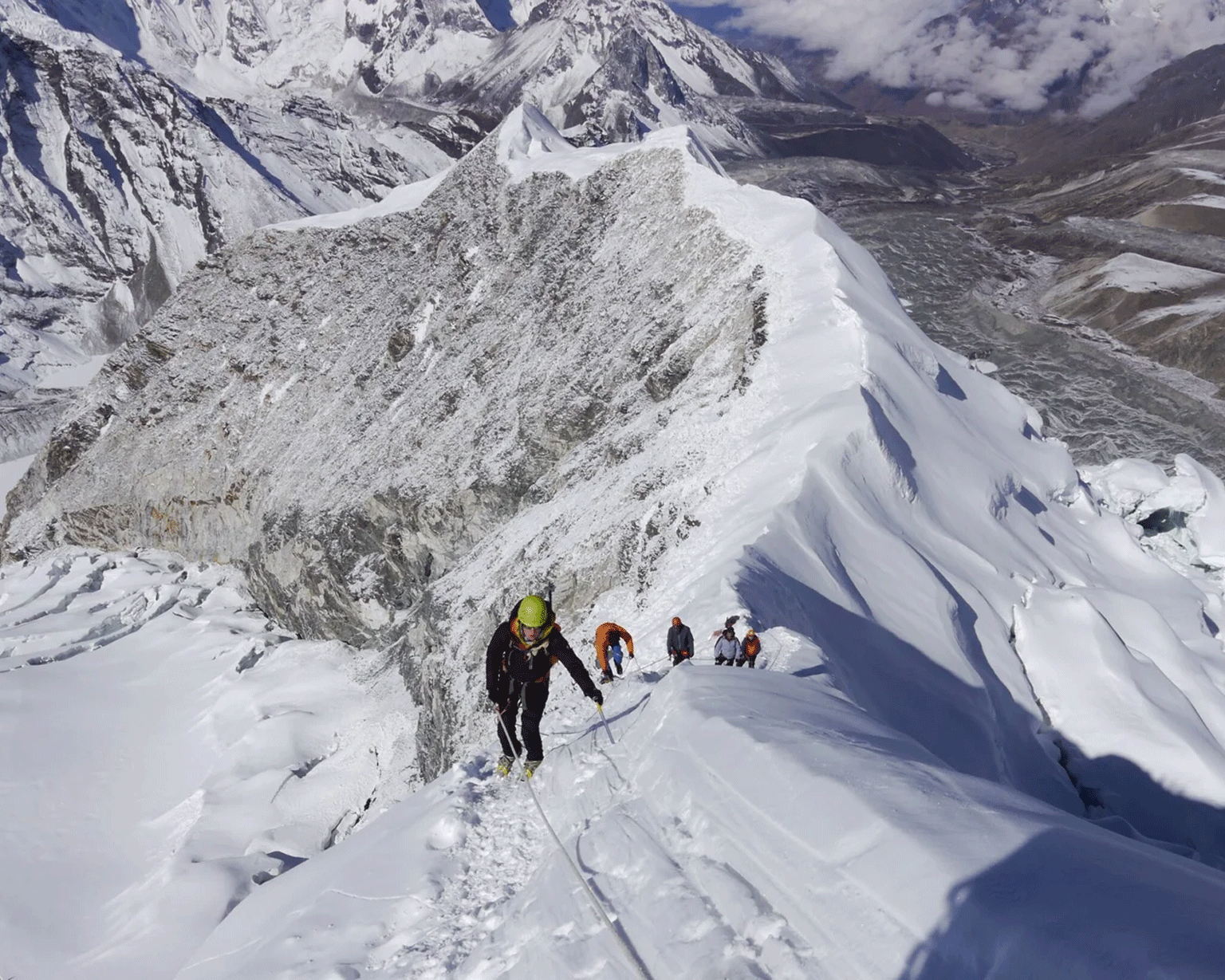
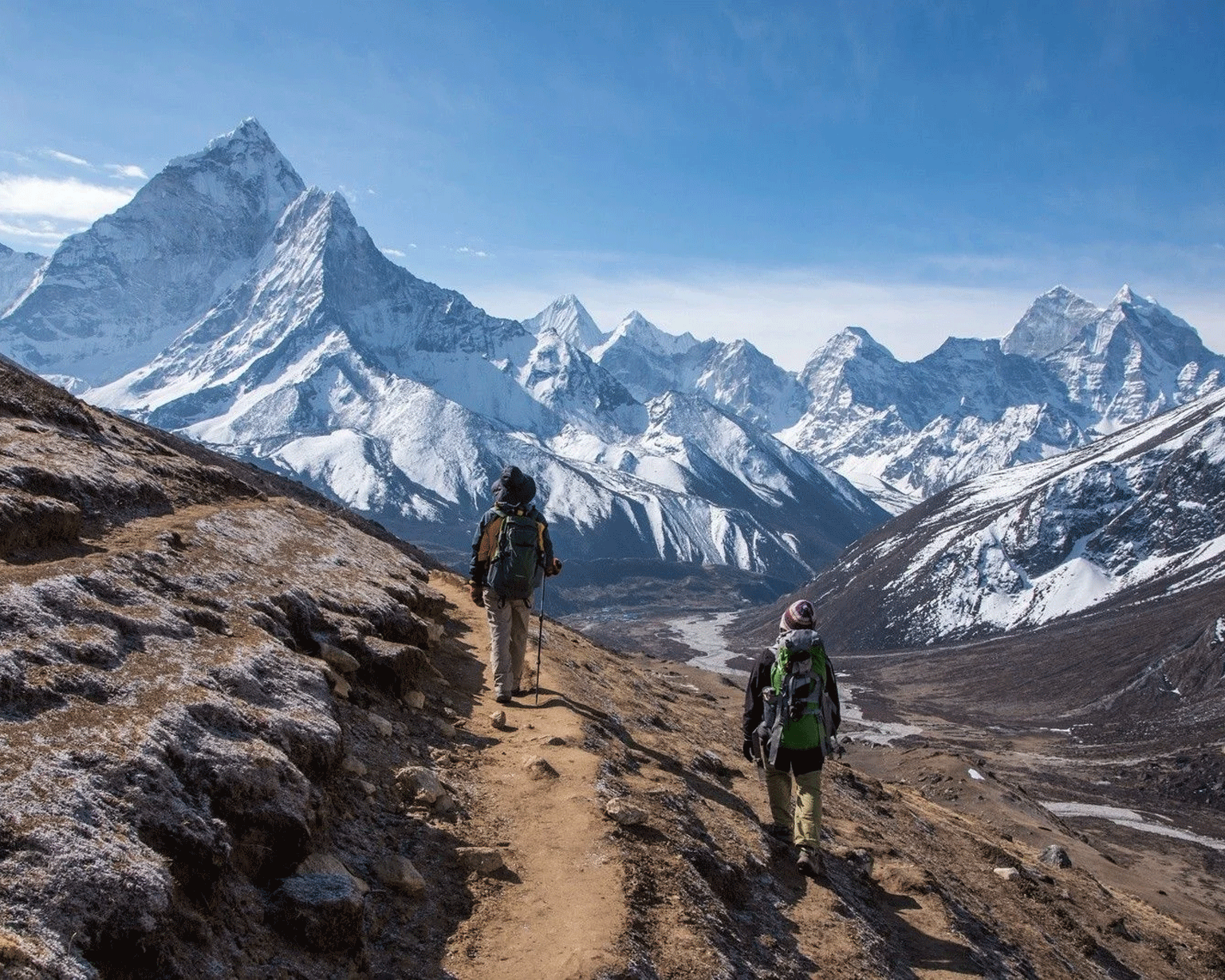
Mera Peak is a high trekking peak of Nepal. Mera Peak lies Mahalangur region eastern part of Nepal. Mera Peak is highest trekking Peak of Nepal. Mera peak is 6,461m high.
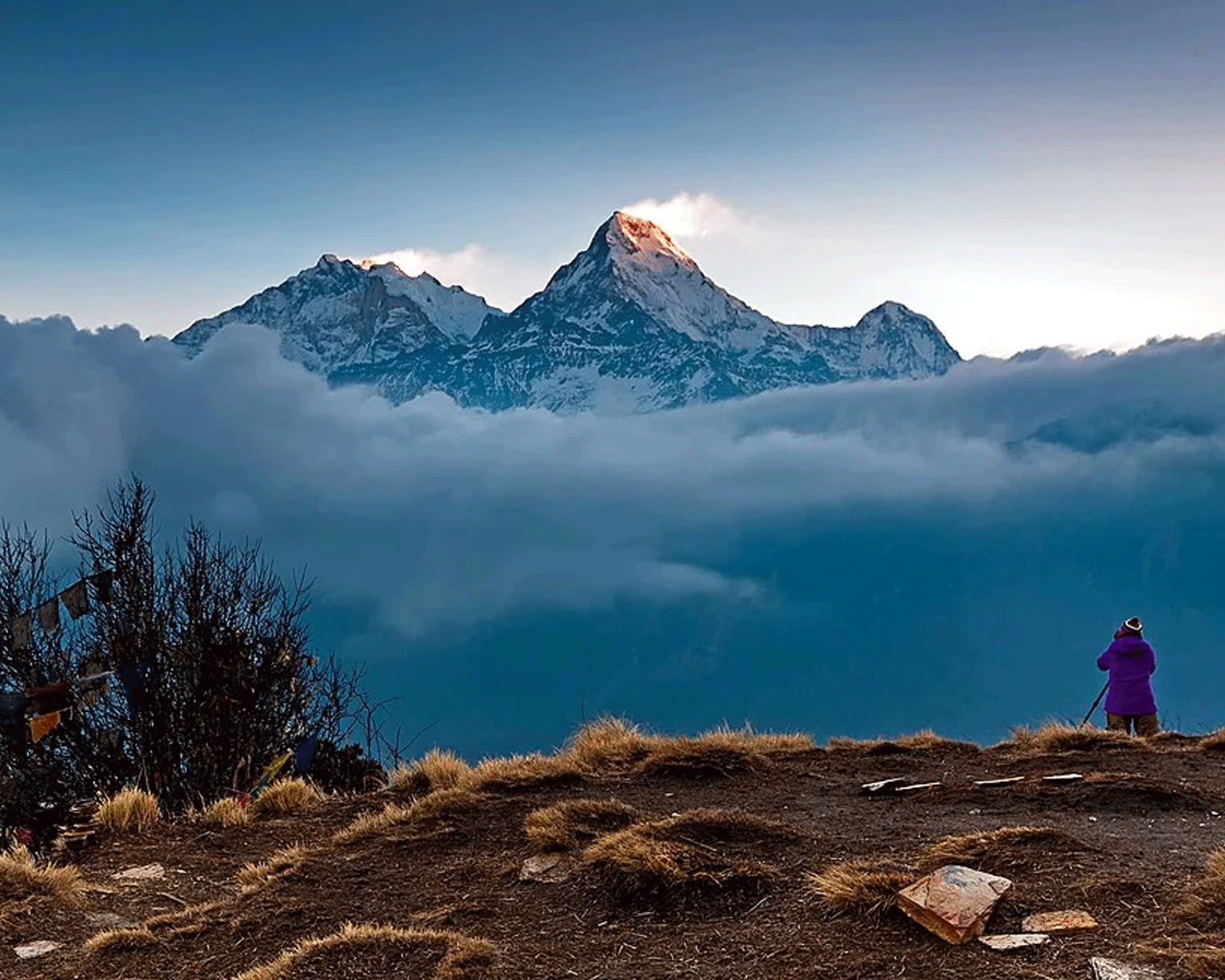
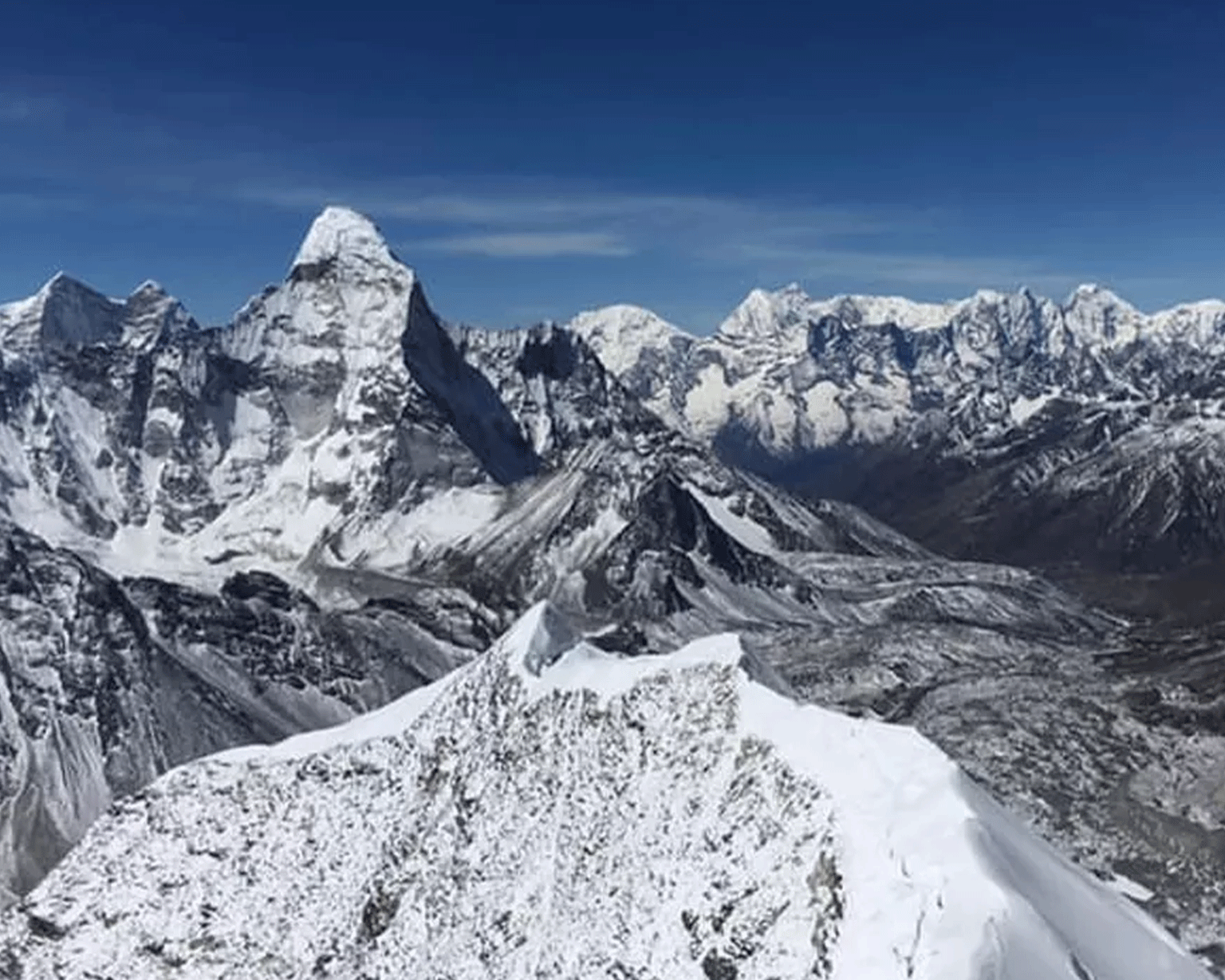
From summit of Mera peak can see panoramic views of top of world peak Mount Everest, Kanchenjunga, Lhotse, Makalu, Cho – Oyu and many more …… spectacular views.
Mera Peak was first successfully summit in 20 May 1953 by a British expedition led by Colonel Jimmy Roberts, together with Sherpa Sen Tenzing.
Detailed itinerary
Upon arrival at Tribhuvan International Airport, complete Nepal entry visa and immigration formalities. Our representative will welcome you at the airport and transfer you to your hotel in Kathmandu. After check-in, rest and recover from your international journey. In the evening, a short briefing about the expedition program may be conducted.
This day is dedicated to rest and expedition preparation. A detailed equipment inspection is carried out to ensure all personal and climbing gear meets safety standards. Our team completes necessary permit and documentation formalities. A full briefing with the expedition leader covers route details, safety protocols, and climbing plans. Any missing equipment can be hired or purchased in Kathmandu.
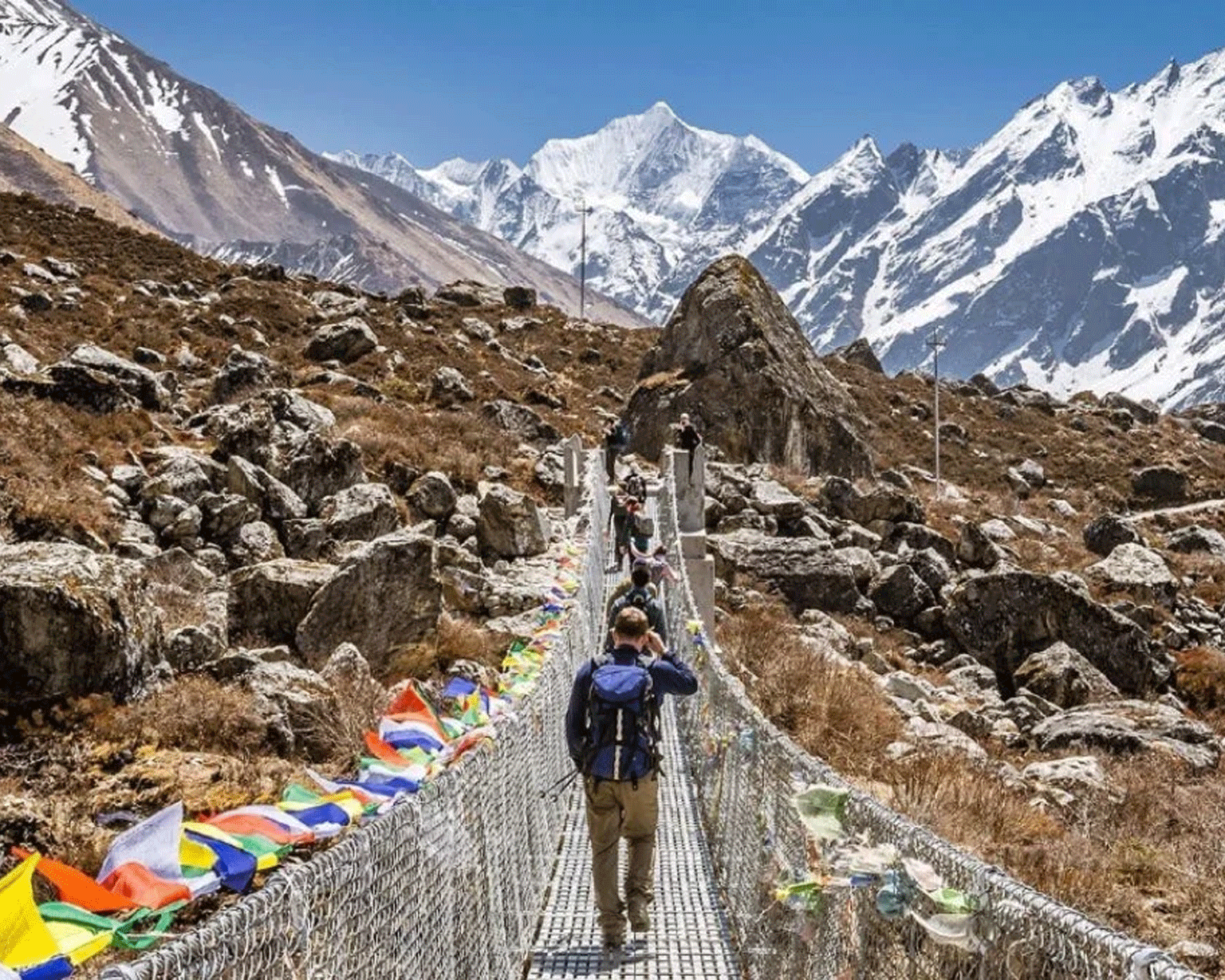
An early morning scenic flight takes you to Lukla, offering spectacular views of the Himalayan landscape. After landing, the trek begins on a less-crowded trail toward the Hinku Valley. The path ascends gradually through forests and small settlements to Chuthengga, allowing a smooth start and gentle acclimatization.
Today’s trek climbs steadily through alpine forests and open ridges toward Chetra La. As altitude increases, vegetation becomes sparse and mountain views expand. The trail offers a peaceful trekking experience away from busy routes, making it ideal for gradual acclimatization. Overnight stay near the pass area.
Crossing Chetra La, the trail descends toward the Hinku Valley. The route follows scenic ridgelines before dropping into forested terrain alongside the Hinku Khola. Kothe is a seasonal settlement surrounded by towering Himalayan peaks and serves as an important stop before moving higher into alpine terrain.
The trek continues along the Hinku Khola through a wide glacial valley. The environment becomes increasingly alpine as tree lines disappear. Surrounded by dramatic mountain scenery, Thaknak is a key acclimatization stop and offers impressive views of glaciers and surrounding peaks.
Today’s trek follows the lateral moraine of the Dig Glacier. The trail ascends gradually but steadily, with Mera Peak now clearly visible ahead. Khare is the last permanent settlement and the main base for summit preparations. The afternoon is spent resting and adjusting to the altitude.
A crucial acclimatization and training day. Under the guidance of experienced climbing Sherpas, climbers practice essential mountaineering skills including the use of crampons, ice axes, harnesses, fixed ropes, and glacier travel techniques. Equipment is thoroughly checked, and the summit plan is finalized. Proper rest and hydration are emphasized
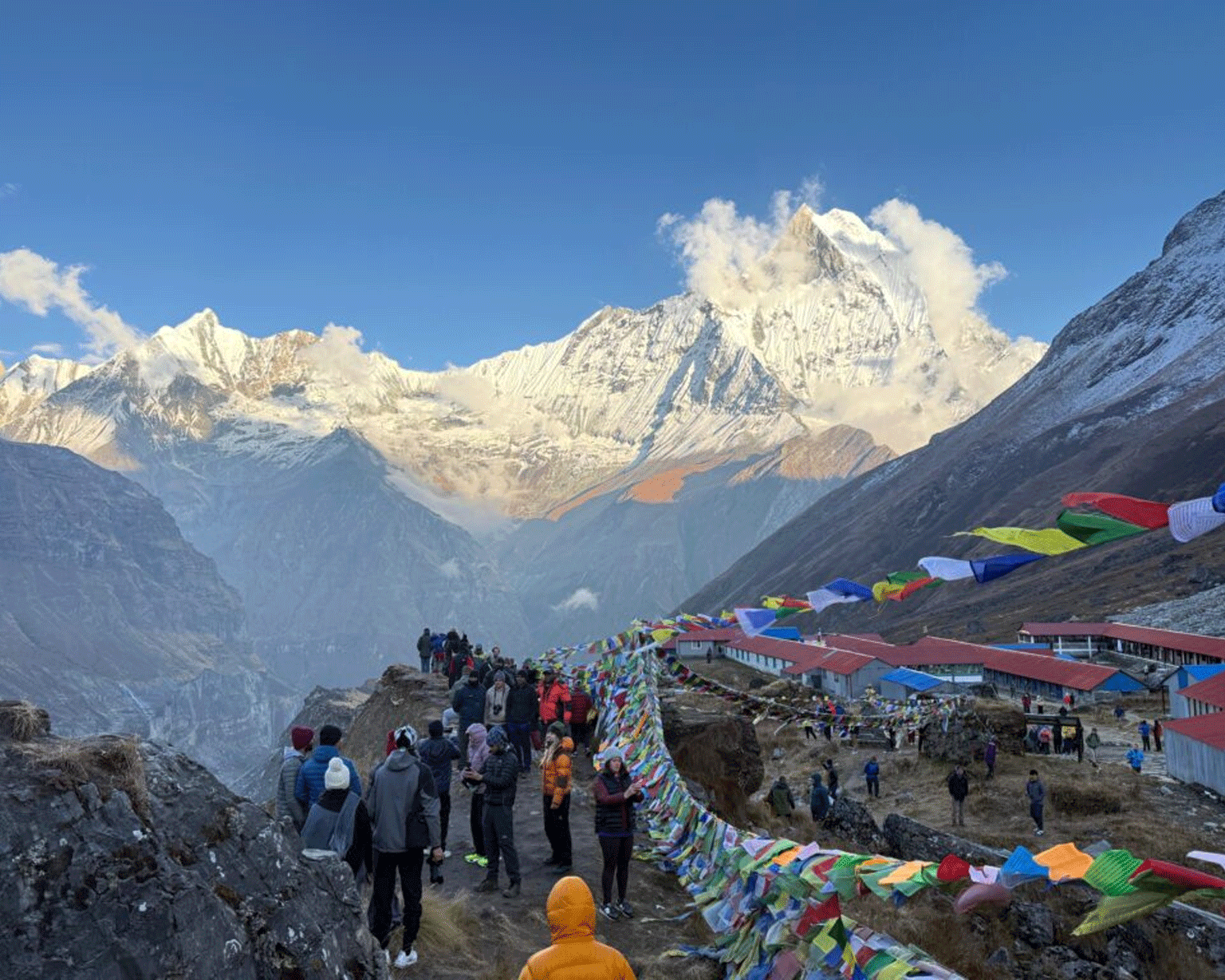
The route climbs steeply over rocky terrain and snow-covered slopes to reach Mera High Camp. From this exposed camp, climbers enjoy breathtaking panoramic views of Everest, Lhotse, Makalu, Cho Oyu, and Kanchenjunga. Early dinner and rest are essential in preparation for the summit attempt.
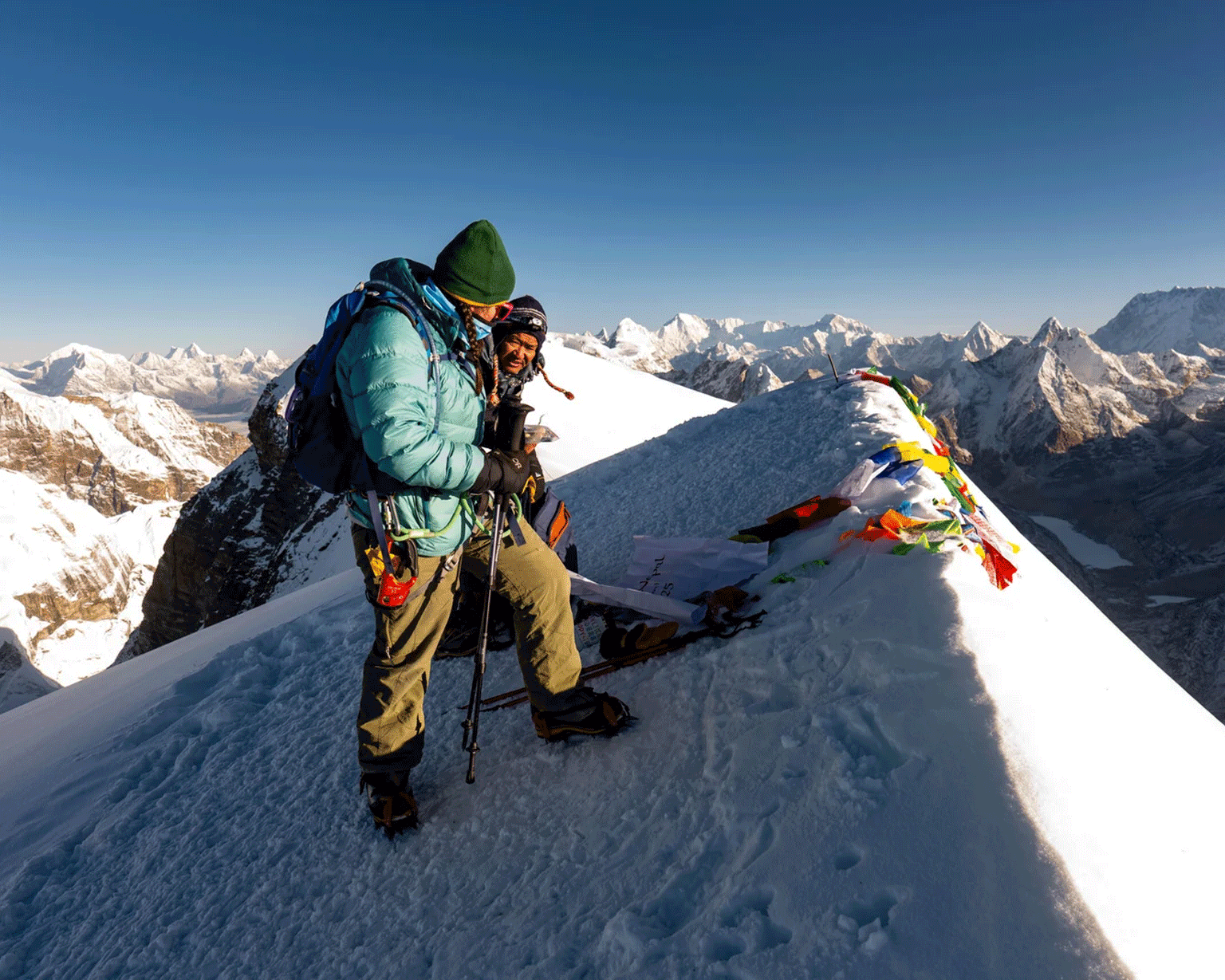
An early midnight start leads the team across glaciated terrain toward the summit. The ascent is gradual but physically demanding due to altitude. Upon reaching the summit of Mera Peak, climbers are rewarded with one of the finest panoramic views in the Himalayas. After celebrating the achievement, the team descends carefully back to High Camp and continues down to Khare for overnight rest.
The descent retraces the route through the Hinku Valley. With decreasing altitude, breathing becomes easier and energy levels improve. The trek to Kothe allows time to relax and reflect on the successful summit experience.
The trail climbs gradually back toward Chetra La, passing through alpine meadows and forested ridges. This section offers changing landscapes and a peaceful trekking atmosphere, marking the final days in the high mountain region.
A long but rewarding trekking day. The route descends steadily toward Lukla, rejoining familiar trails and villages. Upon arrival, the trekking and climbing journey officially concludes. In the evening, the team gathers to celebrate the successful expedition with the local crew
An early morning flight returns you from Lukla to Kathmandu, offering final aerial views of the Himalayas. Transfer to your hotel upon arrival. The rest of the day is free for relaxation and leisure activities.
A well-earned rest day in Kathmandu. Guests may explore cultural heritage sites, enjoy souvenir shopping, relax at cafés, or treat themselves to spa and wellness services. This day also serves as a buffer for any potential flight delays.
According to your international flight schedule, you will be transferred to Tribhuvan International Airport for your onward journey. The expedition concludes with unforgettable memories of standing atop one of Nepal’s most popular trekking peaks.
Includes:
1. Airport pick up and drops off.
2. Transportations to Bung by public transportation.
3. Three meals everyday during trekking.
4. Room service in tea houses during trekking.
5. Peak climbing permit.
6. Guide and Porter’s food, accommodation, insurance, equipment etc.
7. Domestic flight one way.
8. Team gear and equipment
9. Garbage charges etc.
Excludes:
1. Your international flight ticket
2. Hotel and meal in Kathmandu.
3. National park frees
4. Hot showers charges.
5. Extra drinks: as like cold drinks cola, sprite, beer, hot water, and bakery items.
6. Local entry fee and donations:- as like school, monastery temples etc.
7. Guide and porter tips etc.
What's Covered
Package details
Includes:
1. Airport pick up and drops off.
2. Transportations to Bung by public transportation.
3. Three meals everyday during trekking.
4. Room service in tea houses during trekking.
5. Peak climbing permit.
6. Guide and Porter’s food, accommodation, insurance, equipment etc.
7. Domestic flight one way.
8. Team gear and equipment
9. Garbage charges etc.
Excludes:
1. Your international flight ticket
2. Hotel and meal in Kathmandu.
3. National park frees
4. Hot showers charges.
5. Extra drinks: as like cold drinks cola, sprite, beer, hot water, and bakery items.
6. Local entry fee and donations:- as like school, monastery temples etc.
7. Guide and porter tips etc.
Begin your ascent
Our experienced guides and expedition team are ready to plan your Mera Peak adventure. Fill out the form and we’ll get back to you within 24 hours with a tailored proposal.
- AUSTRALIA
- 7 Scanlon Dr, Epping VIC 3076
- +61 450 200 771
- NEPAL
- Anamnagar Kathmandu Nepal
- +977 9841505245

Altitude
6461m

Co-ordinates
27.6997° N, 86.8686° E

Duration
16 Days

Best Season
Spring and Autumn

Activity
Peak Climbing

Trip Grade
Moderate to Difficult (Alpine PD – Peu Difficile)
Enquire Now
Mera Peak (6461m)
Mera Peak is a high trekking peak of Nepal. Mera Peak lies Mahalangur region eastern part of Nepal. Mera Peak is highest trekking Peak of Nepal. Mera peak is 6,461m high.
From summit of Mera peak can see panoramic views of top of world peak Mount Everest, Kanchenjunga, Lhotse, Makalu, Cho – Oyu and many more …… spectacular views.
Mera Peak was first successfully summit in 20 May 1953 by a British expedition led by Colonel Jimmy Roberts, together with Sherpa Sen Tenzing.
Detailed itinerary
Upon arrival at Tribhuvan International Airport, complete Nepal entry visa and immigration formalities. Our representative will welcome you at the airport and transfer you to your hotel in Kathmandu. After check-in, rest and recover from your international journey. In the evening, a short briefing about the expedition program may be conducted.
This day is dedicated to rest and expedition preparation. A detailed equipment inspection is carried out to ensure all personal and climbing gear meets safety standards. Our team completes necessary permit and documentation formalities. A full briefing with the expedition leader covers route details, safety protocols, and climbing plans. Any missing equipment can be hired or purchased in Kathmandu.
An early morning scenic flight takes you to Lukla, offering spectacular views of the Himalayan landscape. After landing, the trek begins on a less-crowded trail toward the Hinku Valley. The path ascends gradually through forests and small settlements to Chuthengga, allowing a smooth start and gentle acclimatization.
Today’s trek climbs steadily through alpine forests and open ridges toward Chetra La. As altitude increases, vegetation becomes sparse and mountain views expand. The trail offers a peaceful trekking experience away from busy routes, making it ideal for gradual acclimatization. Overnight stay near the pass area.
Crossing Chetra La, the trail descends toward the Hinku Valley. The route follows scenic ridgelines before dropping into forested terrain alongside the Hinku Khola. Kothe is a seasonal settlement surrounded by towering Himalayan peaks and serves as an important stop before moving higher into alpine terrain.
The trek continues along the Hinku Khola through a wide glacial valley. The environment becomes increasingly alpine as tree lines disappear. Surrounded by dramatic mountain scenery, Thaknak is a key acclimatization stop and offers impressive views of glaciers and surrounding peaks.
Today’s trek follows the lateral moraine of the Dig Glacier. The trail ascends gradually but steadily, with Mera Peak now clearly visible ahead. Khare is the last permanent settlement and the main base for summit preparations. The afternoon is spent resting and adjusting to the altitude.
A crucial acclimatization and training day. Under the guidance of experienced climbing Sherpas, climbers practice essential mountaineering skills including the use of crampons, ice axes, harnesses, fixed ropes, and glacier travel techniques. Equipment is thoroughly checked, and the summit plan is finalized. Proper rest and hydration are emphasized
The route climbs steeply over rocky terrain and snow-covered slopes to reach Mera High Camp. From this exposed camp, climbers enjoy breathtaking panoramic views of Everest, Lhotse, Makalu, Cho Oyu, and Kanchenjunga. Early dinner and rest are essential in preparation for the summit attempt.
An early midnight start leads the team across glaciated terrain toward the summit. The ascent is gradual but physically demanding due to altitude. Upon reaching the summit of Mera Peak, climbers are rewarded with one of the finest panoramic views in the Himalayas. After celebrating the achievement, the team descends carefully back to High Camp and continues down to Khare for overnight rest.
The descent retraces the route through the Hinku Valley. With decreasing altitude, breathing becomes easier and energy levels improve. The trek to Kothe allows time to relax and reflect on the successful summit experience.
The trail climbs gradually back toward Chetra La, passing through alpine meadows and forested ridges. This section offers changing landscapes and a peaceful trekking atmosphere, marking the final days in the high mountain region.
A long but rewarding trekking day. The route descends steadily toward Lukla, rejoining familiar trails and villages. Upon arrival, the trekking and climbing journey officially concludes. In the evening, the team gathers to celebrate the successful expedition with the local crew
An early morning flight returns you from Lukla to Kathmandu, offering final aerial views of the Himalayas. Transfer to your hotel upon arrival. The rest of the day is free for relaxation and leisure activities.
A well-earned rest day in Kathmandu. Guests may explore cultural heritage sites, enjoy souvenir shopping, relax at cafés, or treat themselves to spa and wellness services. This day also serves as a buffer for any potential flight delays.
According to your international flight schedule, you will be transferred to Tribhuvan International Airport for your onward journey. The expedition concludes with unforgettable memories of standing atop one of Nepal’s most popular trekking peaks.
Includes:
1. Airport pick up and drops off.
2. Transportations to Bung by public transportation.
3. Three meals everyday during trekking.
4. Room service in tea houses during trekking.
5. Peak climbing permit.
6. Guide and Porter’s food, accommodation, insurance, equipment etc.
7. Domestic flight one way.
8. Team gear and equipment
9. Garbage charges etc.
Excludes:
1. Your international flight ticket
2. Hotel and meal in Kathmandu.
3. National park frees
4. Hot showers charges.
5. Extra drinks: as like cold drinks cola, sprite, beer, hot water, and bakery items.
6. Local entry fee and donations:- as like school, monastery temples etc.
7. Guide and porter tips etc.
Fixed Departures
Start Dates | End Date | GROUP SIZE | REMARKS | AVAILABILITY | TRIP ENQUIRY |
Jan 1, 2026 | May 31, 2026 | Open | |||
Jun 1, 2026 | Aug 31, 2026 | Closed | |||
Sep 1, 2026 | Dec 31, 2026 | On Request | Open |