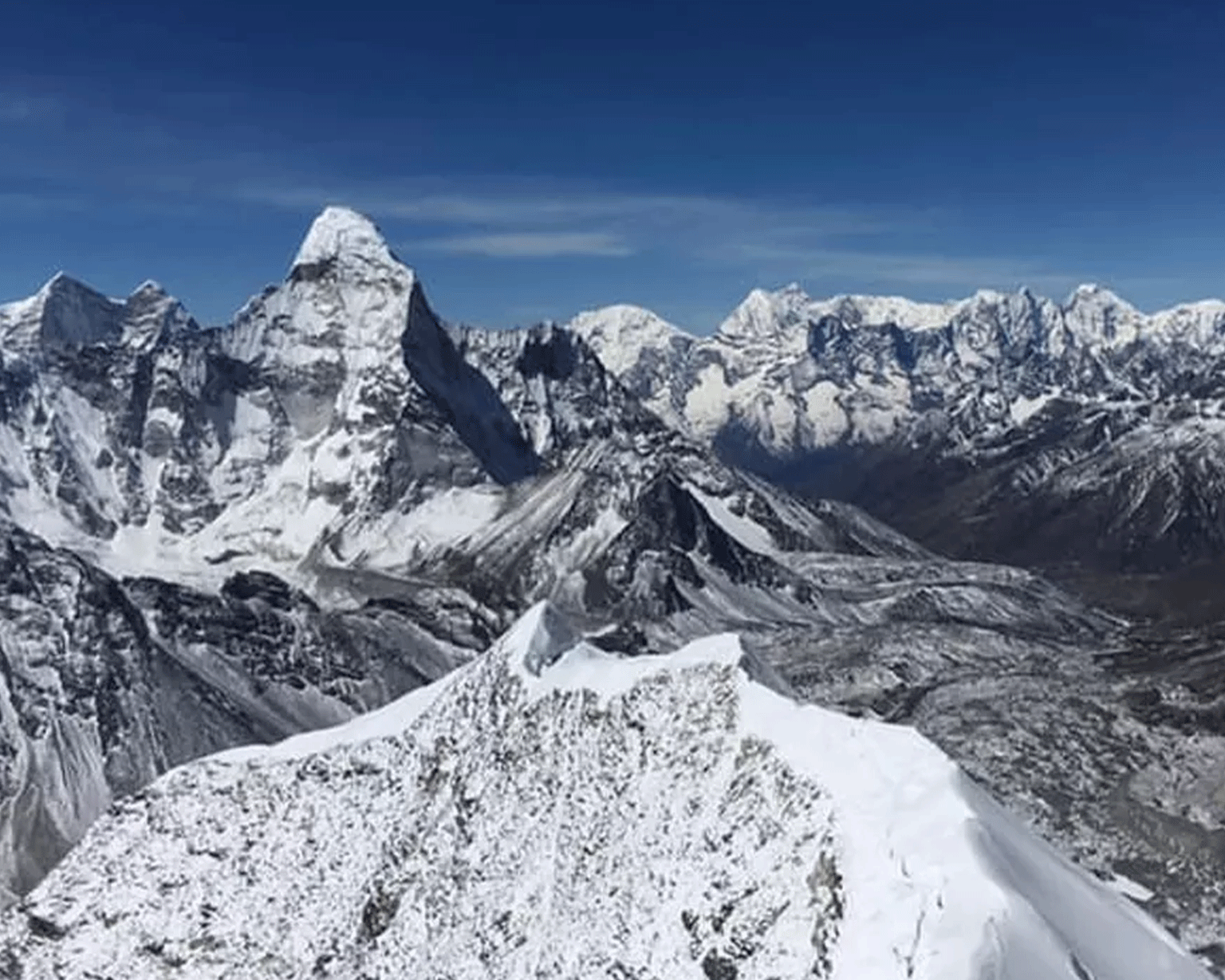
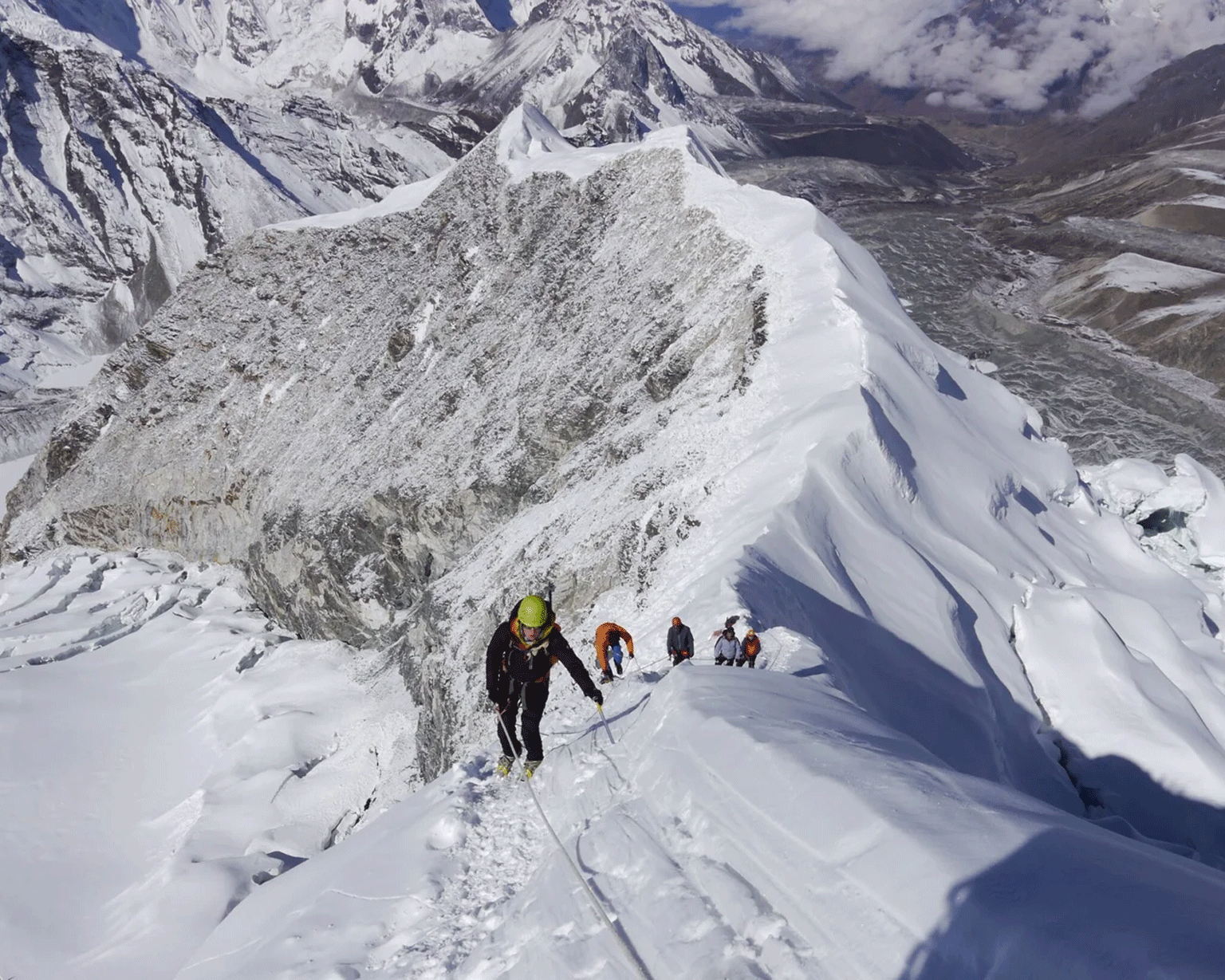
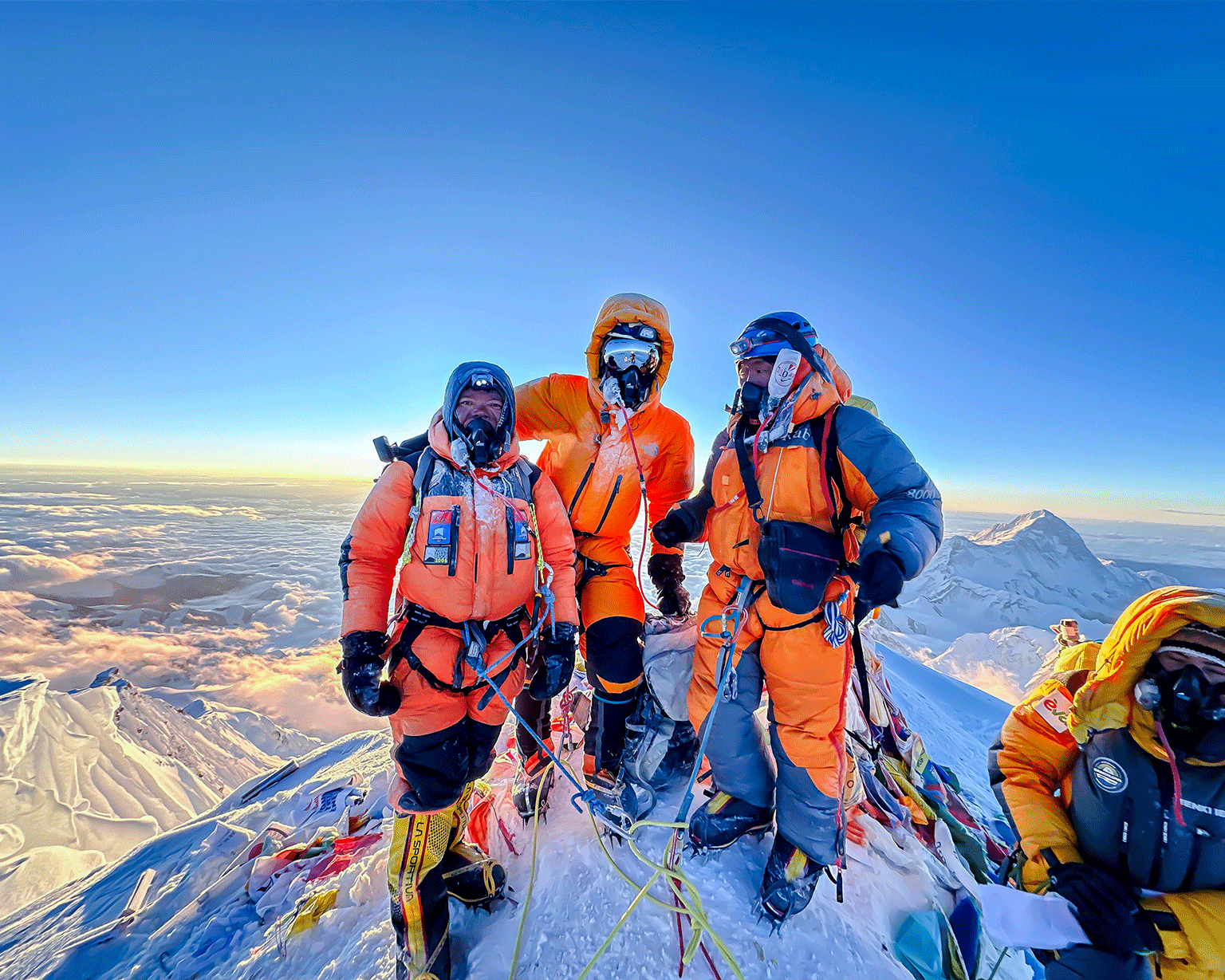
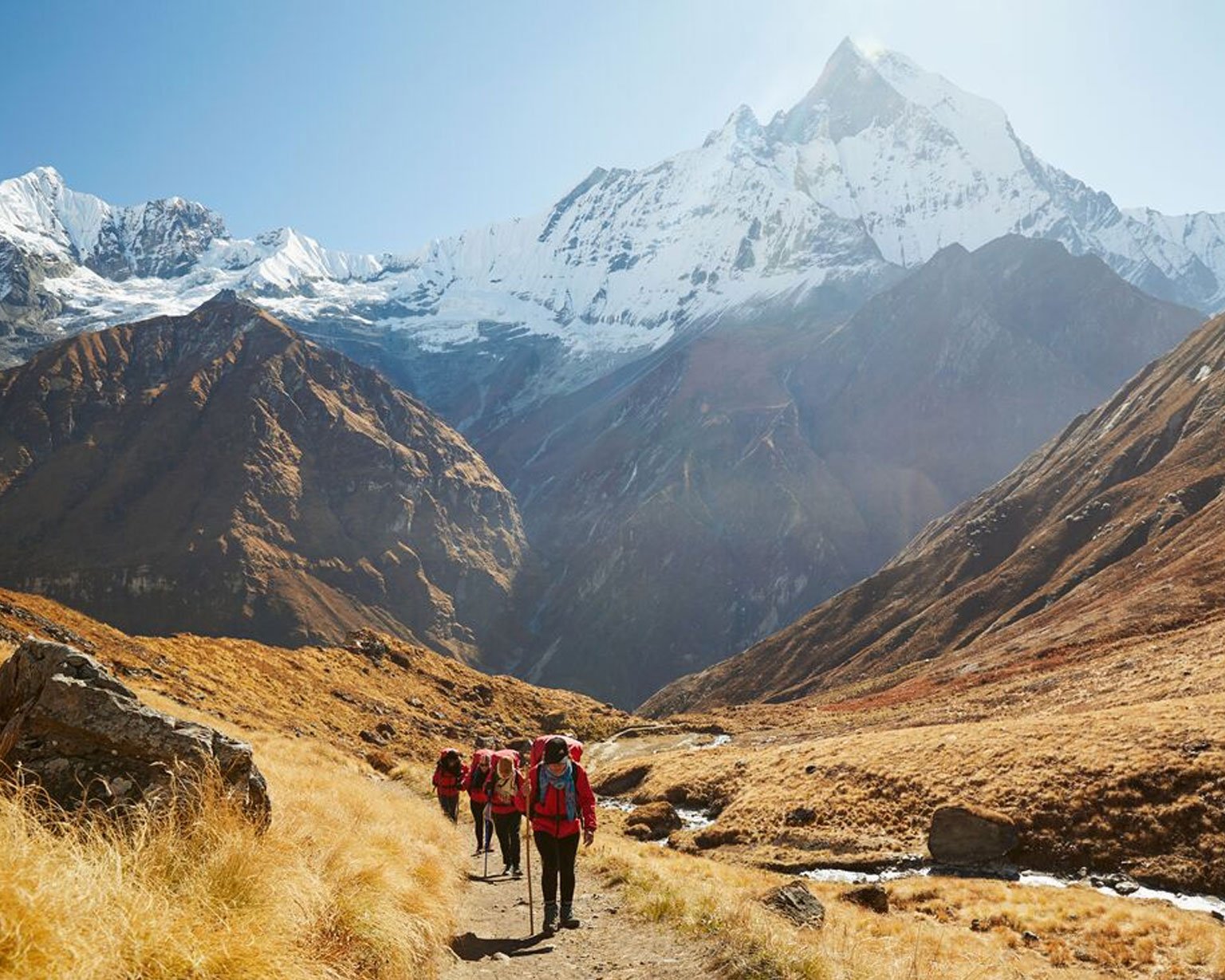
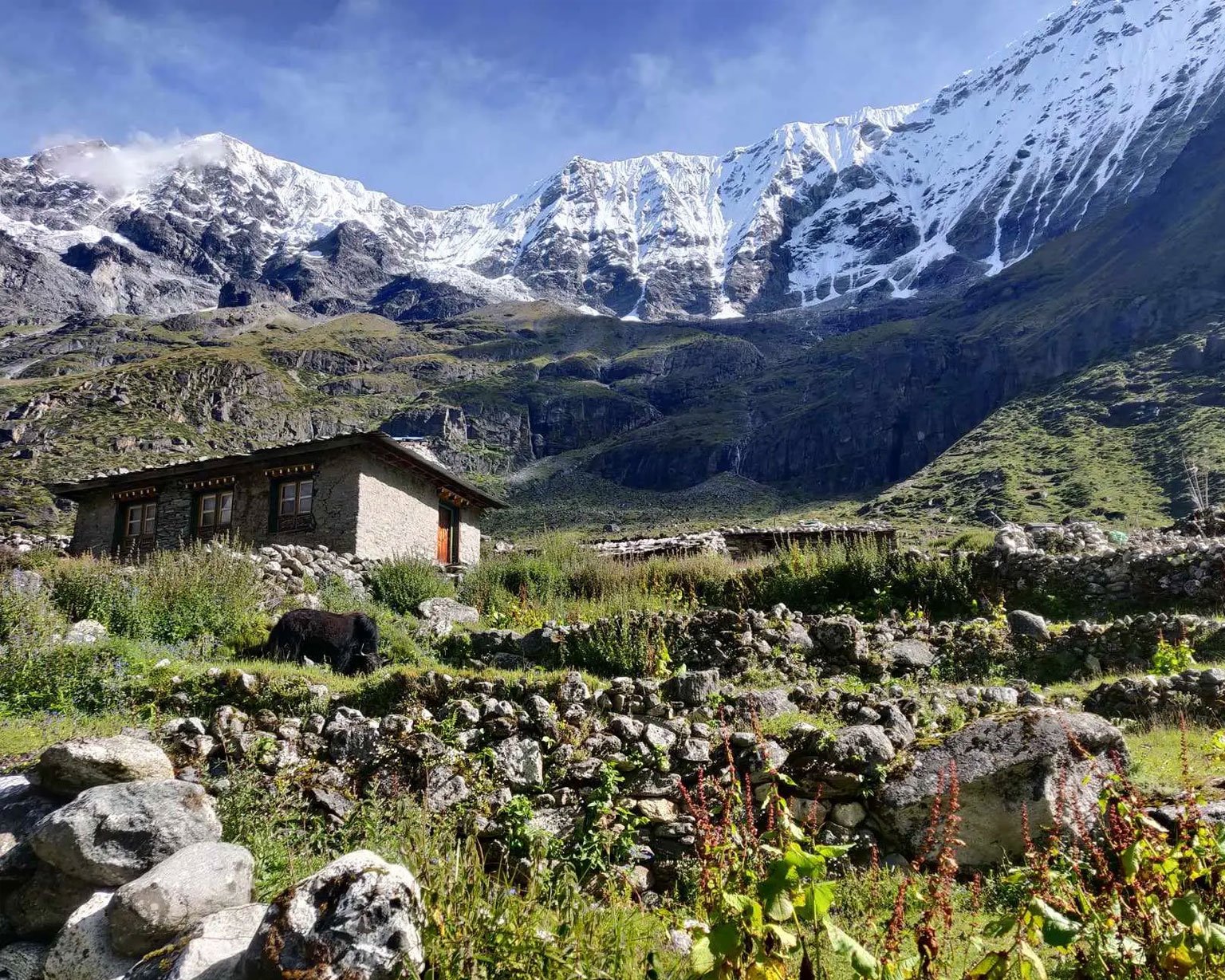
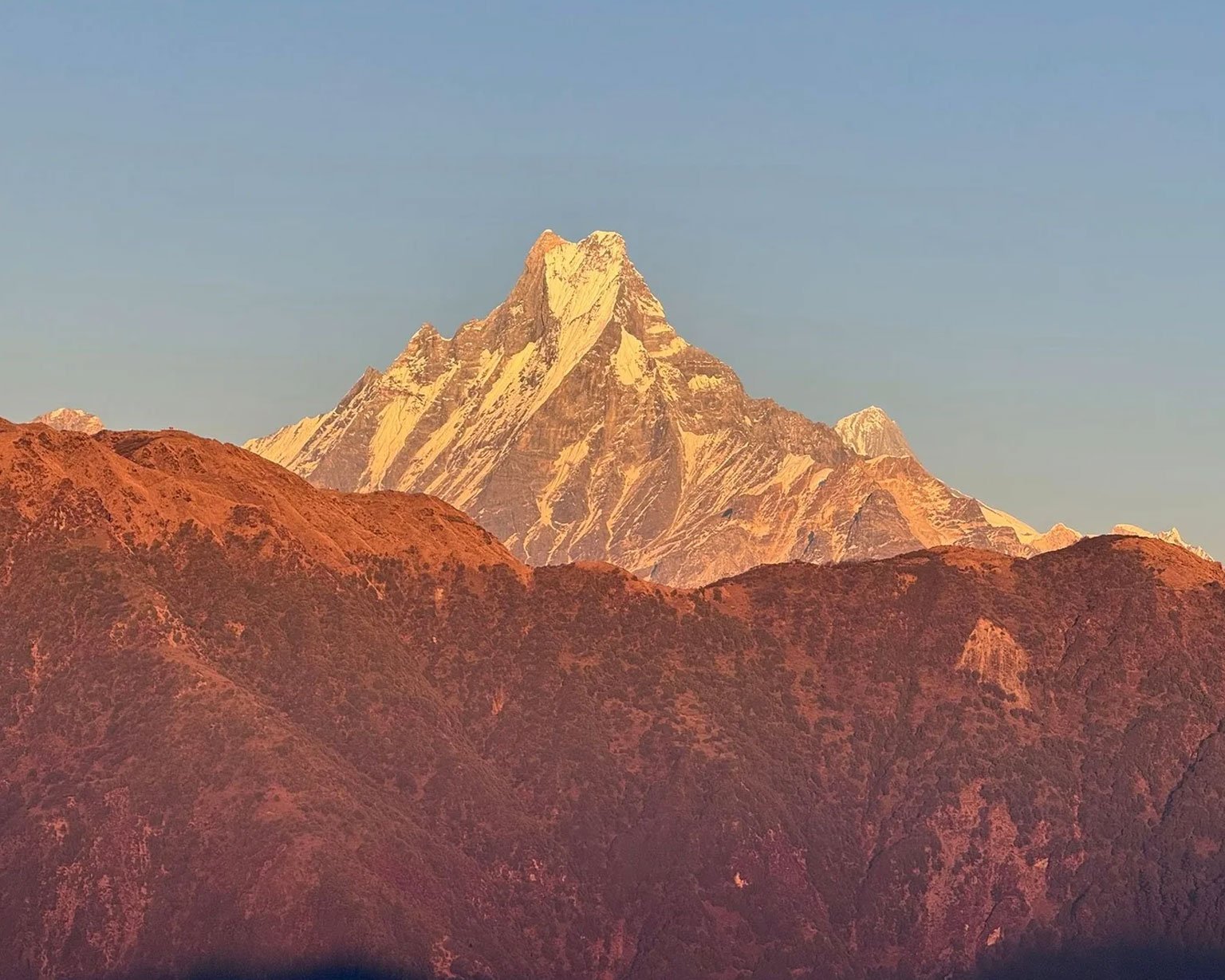
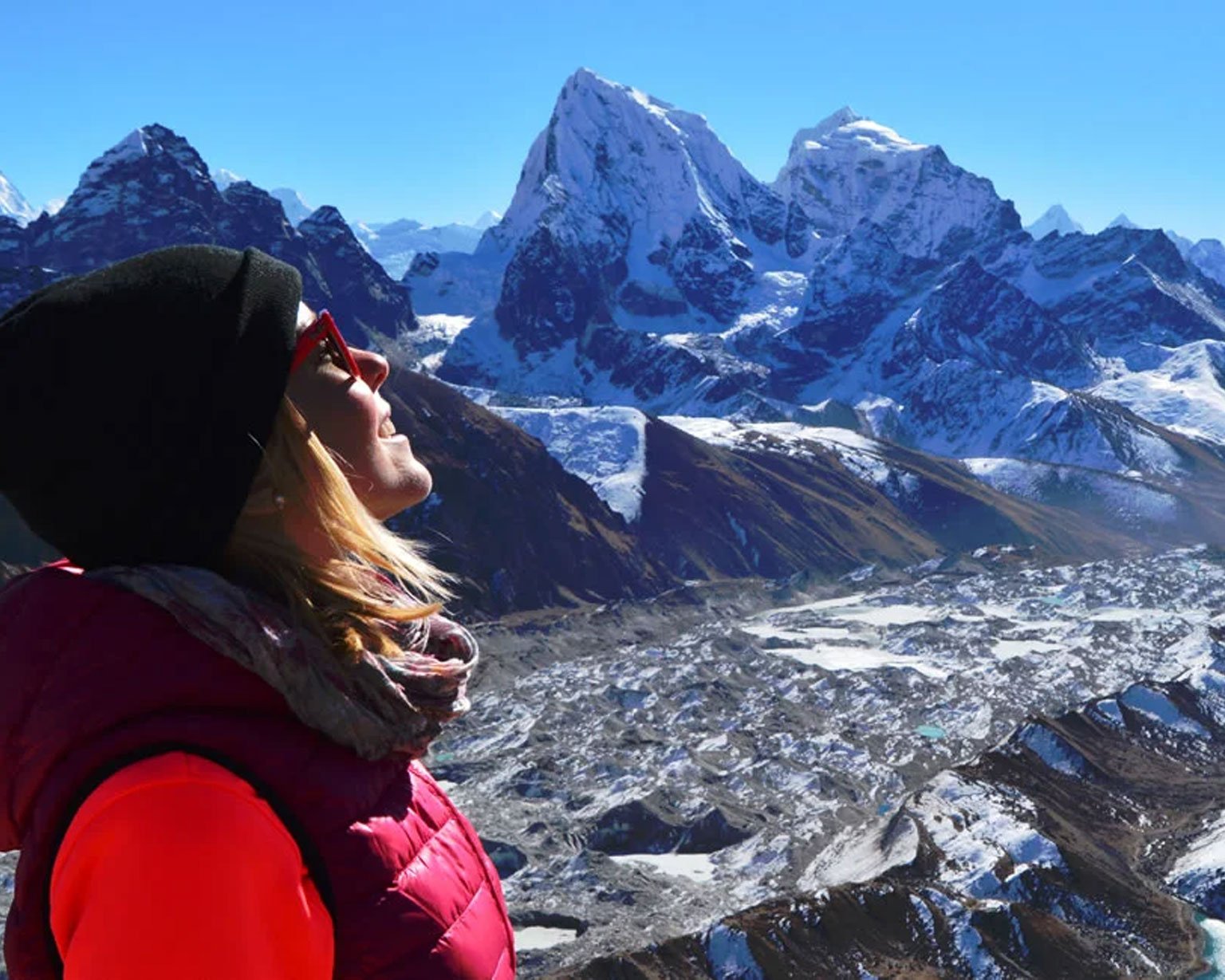
Climb In Nepal Expeditions has been guiding trekkers and climbers across the Himalayas for years. Our experienced Sherpa guides are not contracted staff but they are core team members who have personally summited the peaks they lead, ensuring knowledgeable, safe, and reliable adventures.
Certified & Experienced Guides.
Experienced trekking and climbing guides with professional training, local expertise, and a strong commitment to safety.
Custom Travel Planning.
Tailor-made trekking and expedition itineraries designed around your goals, schedule, and budget.
Reliable Support & Safety.
Seamless logistics, trusted teams, and dependable support to ensure a safe and enjoyable journey.
Value-Driven Packages.
Well-designed adventures that combine quality service, expert guidance, and great value.
Popular Travel Packages
A curated list of the most popular travel packages based on different destinations.
Trekking
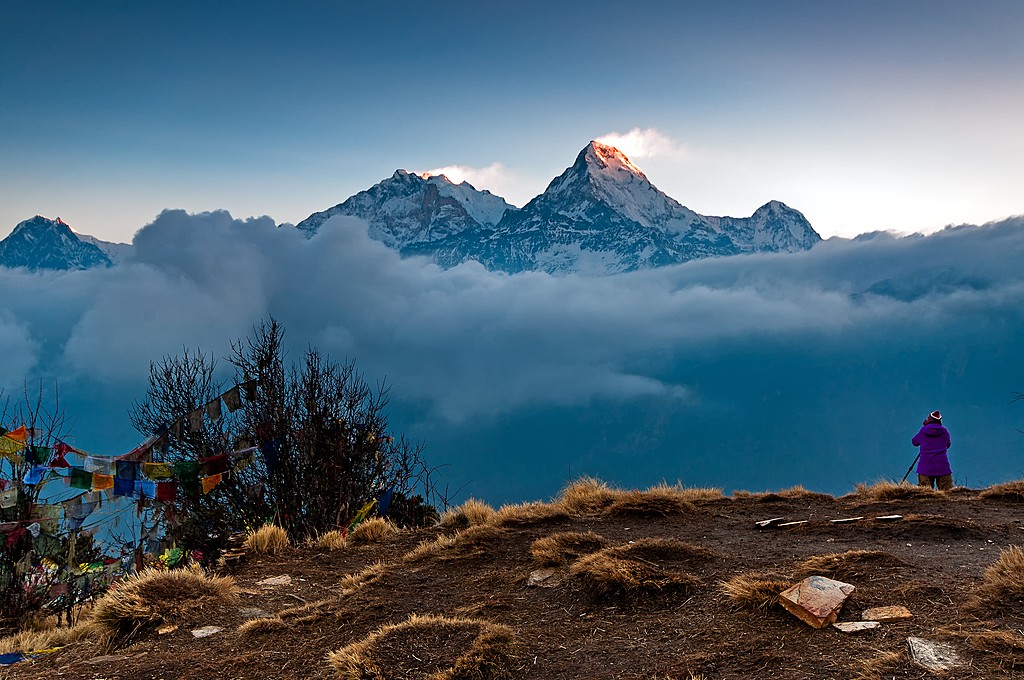
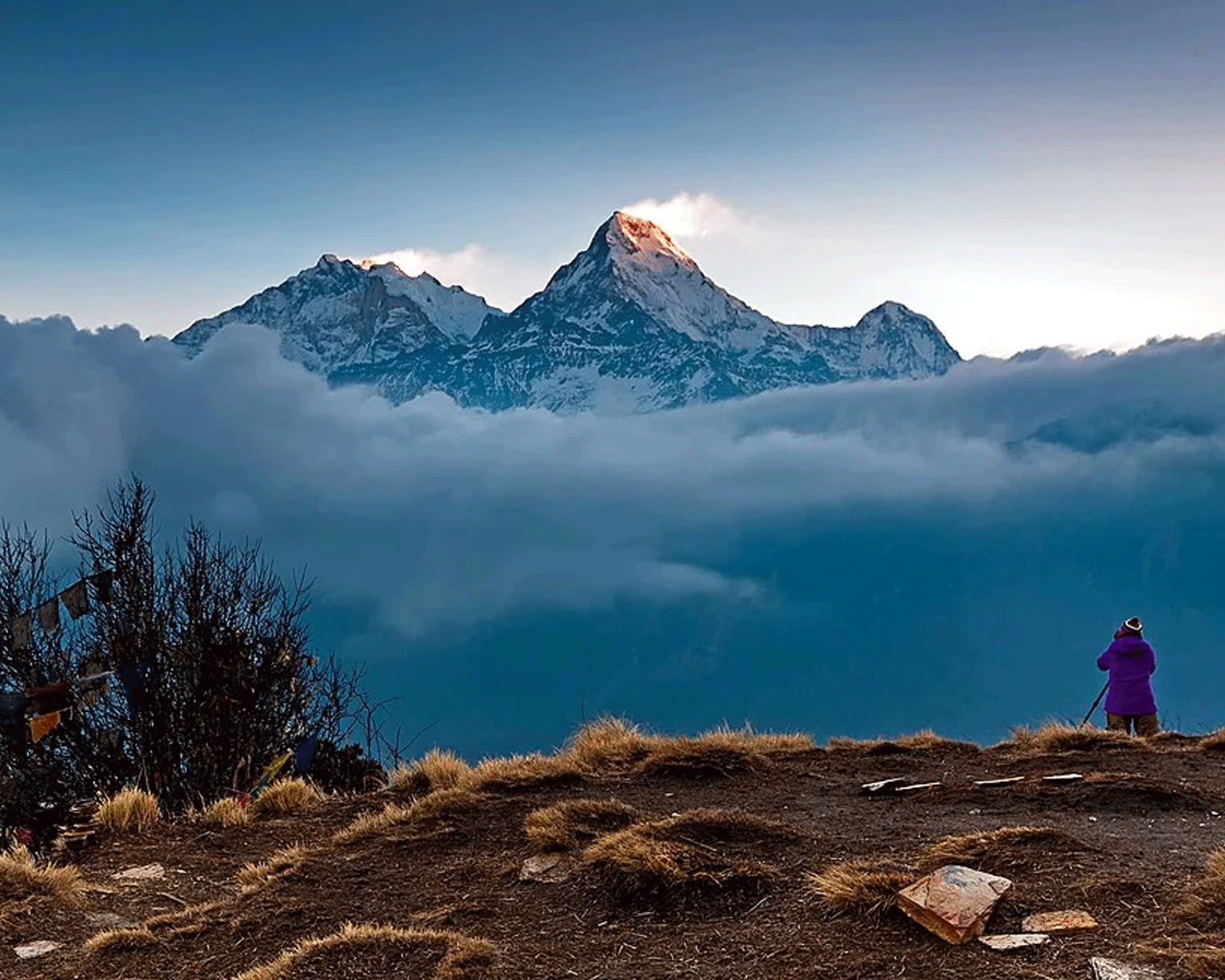
Poon Hill Ghorepani
A scenic Himalayan trek featuring sunrise views, rhododendron forests, and charming villages.
Nepal’s mountains range from accessible trekking peaks to some of the most technically demanding terrain on earth. Use the categories below to find the right starting point.
Trekking
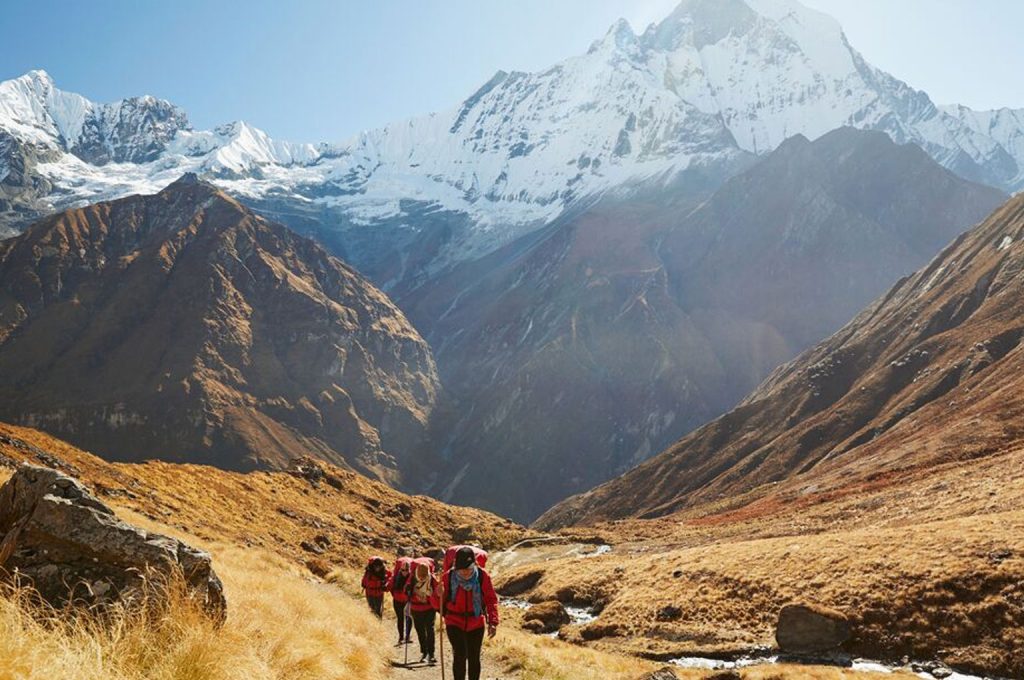
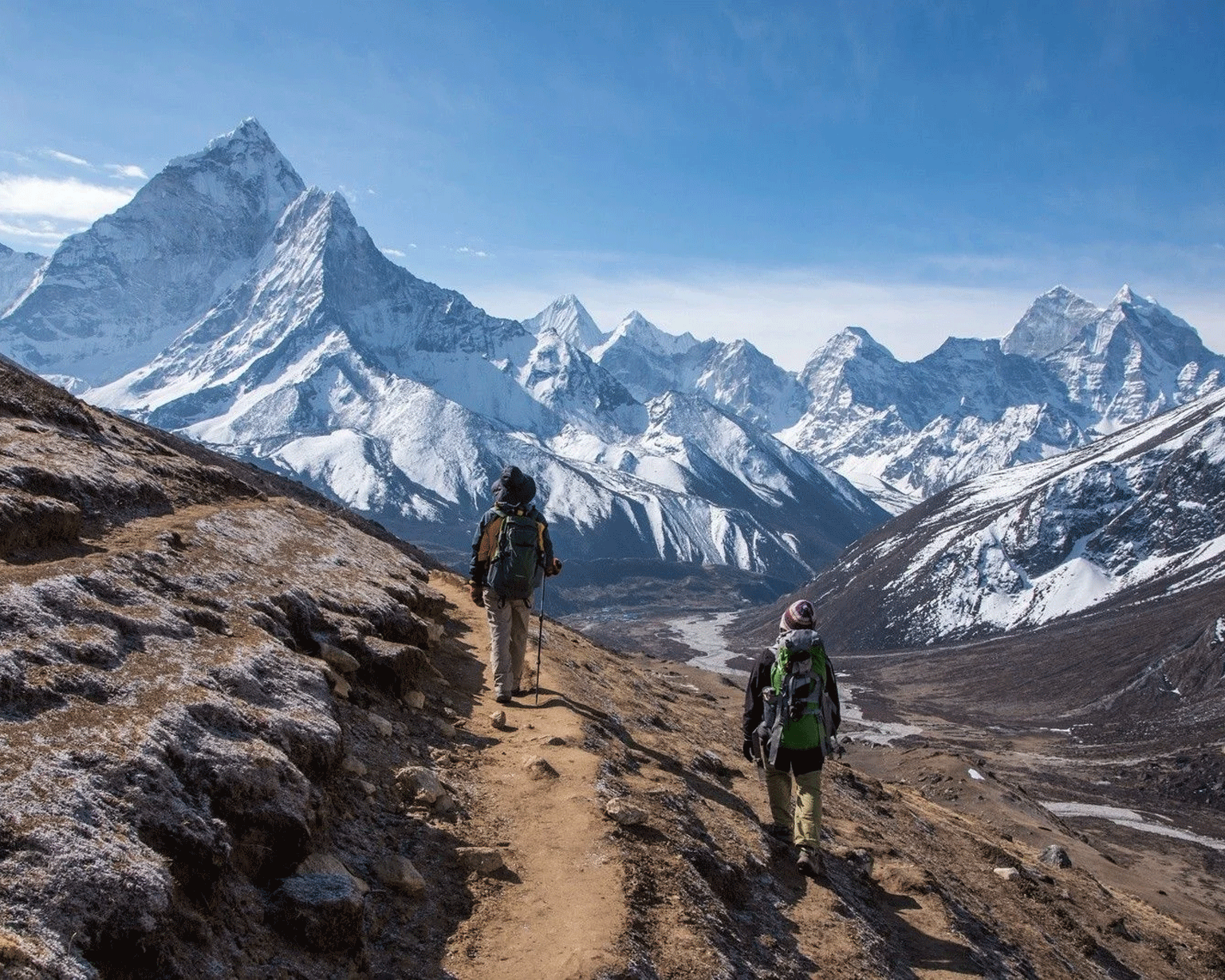
Explore Nepal’s most iconic trekking routes, from cultural village trails to legendary Himalayan adventures. Walk through breathtaking mountain landscapes, experience authentic local traditions, and enjoy expertly guided journeys designed to provide a safe, rewarding, and unforgettable trekking experience in the heart of the Himalayas.
For students working on papers and assignments, Unicheck AI helps students review essays for accidental plagiarism and can make the revision process more focused.
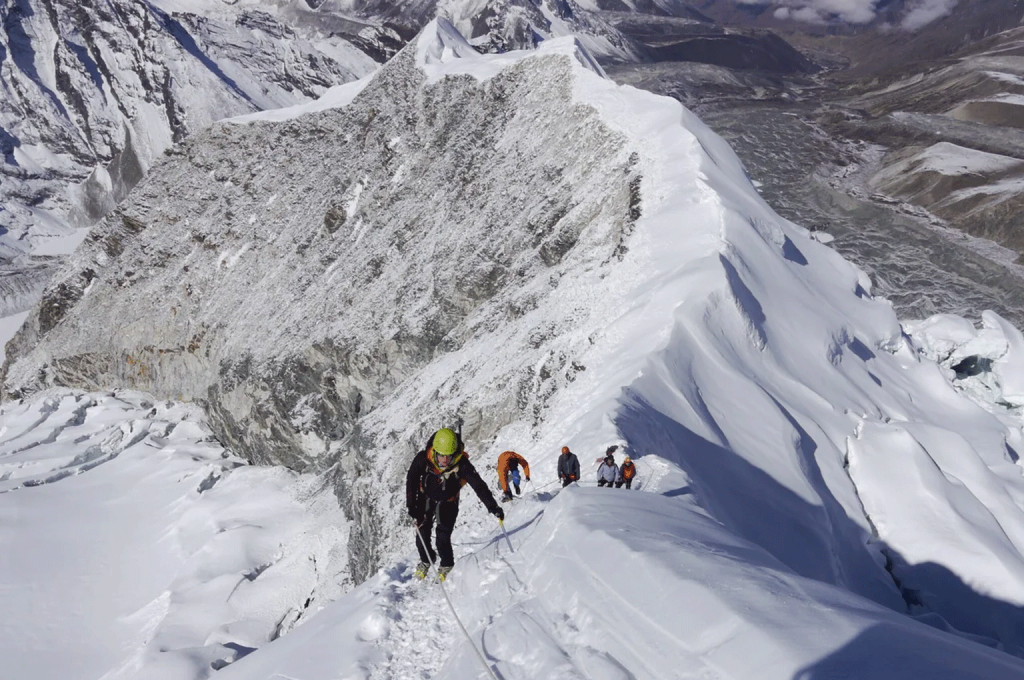
Take the next step in your mountain journey with Nepal’s renowned 6,000-meter peaks. Combining trekking and mountaineering, these climbs offer spectacular summit views, valuable alpine experience, and professional guidance, making them ideal for adventurers seeking a greater challenge beyond traditional trekking routes.
Designed for experienced climbers, our 7,000-meter expeditions offer demanding yet rewarding Himalayan objectives. With careful planning, skilled guides, and comprehensive logistical support, these expeditions provide the opportunity to test your endurance, build high-altitude experience, and achieve ambitious mountaineering goals.
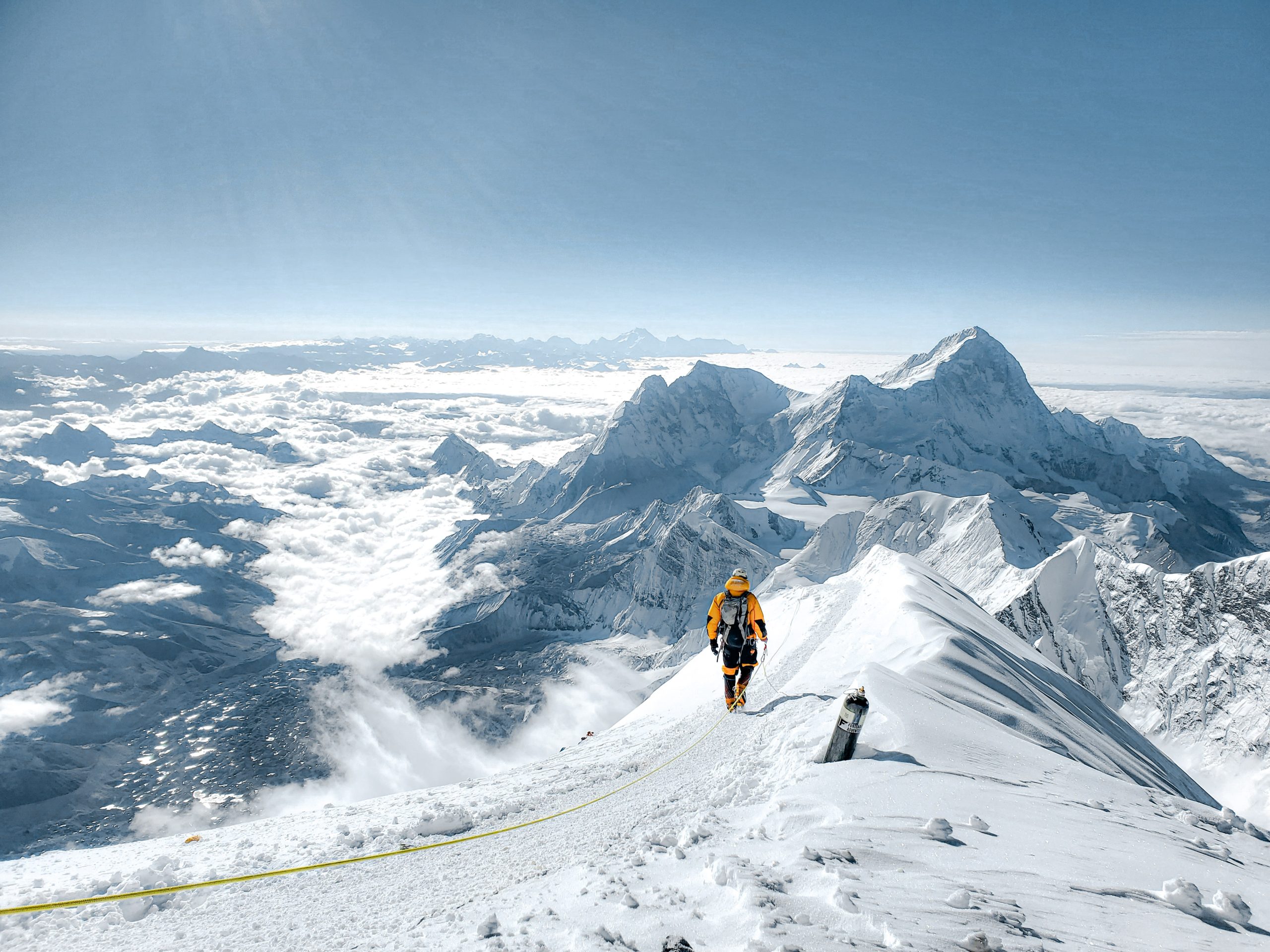
Join professionally organized expeditions to the world’s highest mountains. Supported by experienced expedition leaders, Sherpa teams, and detailed logistics, these journeys are crafted for serious climbers seeking to pursue exceptional challenges while prioritizing safety, preparation, and responsible mountaineering practices.
Nepal’s mountains range from accessible trekking peaks to some of the most technically demanding terrain on earth. Use the categories below to find the right starting point.
Climb In Nepal Expeditions is a trusted trekking and expedition company specializing in unforgettable adventures across the Himalayas. From the legendary Everest Base Camp and Annapurna Base Camp treks to challenging peak climbs above 6,000 meters, we offer expertly guided journeys designed for travelers seeking authentic mountain experiences.
With experienced local guides, a strong commitment to safety, and personalized service, we help you explore Nepal’s breathtaking landscapes, rich cultural heritage, and the true spirit of the Himalayas.
From trekking peaks in the Khumbu to 8,000m objectives in the Annapurna and Kanchenjunga ranges, planned and guided by people who have spent their careers on these routes.
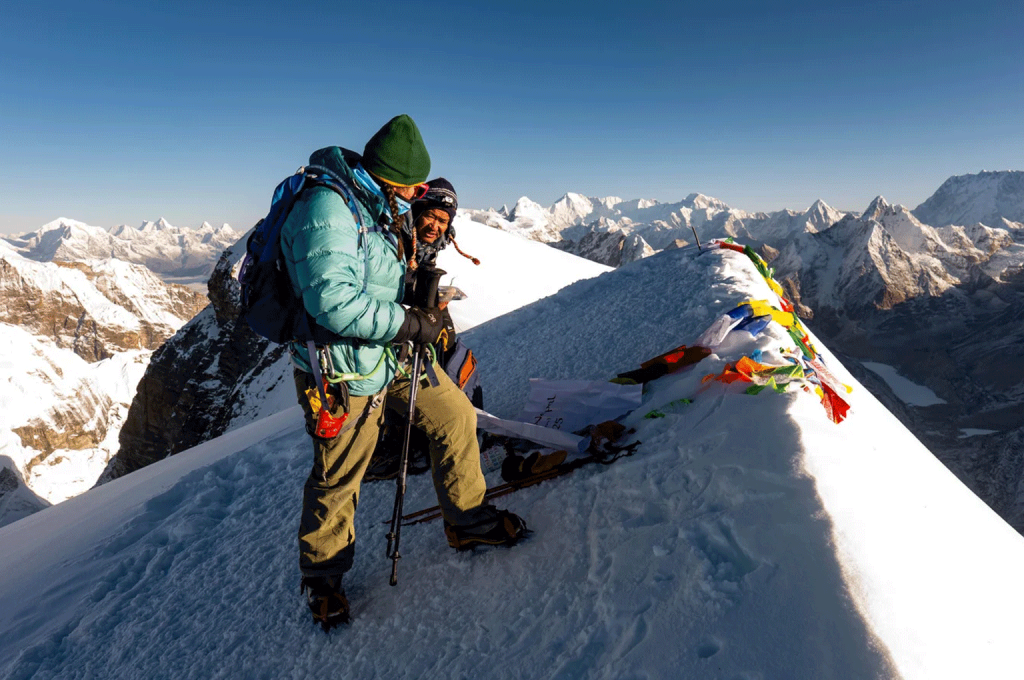
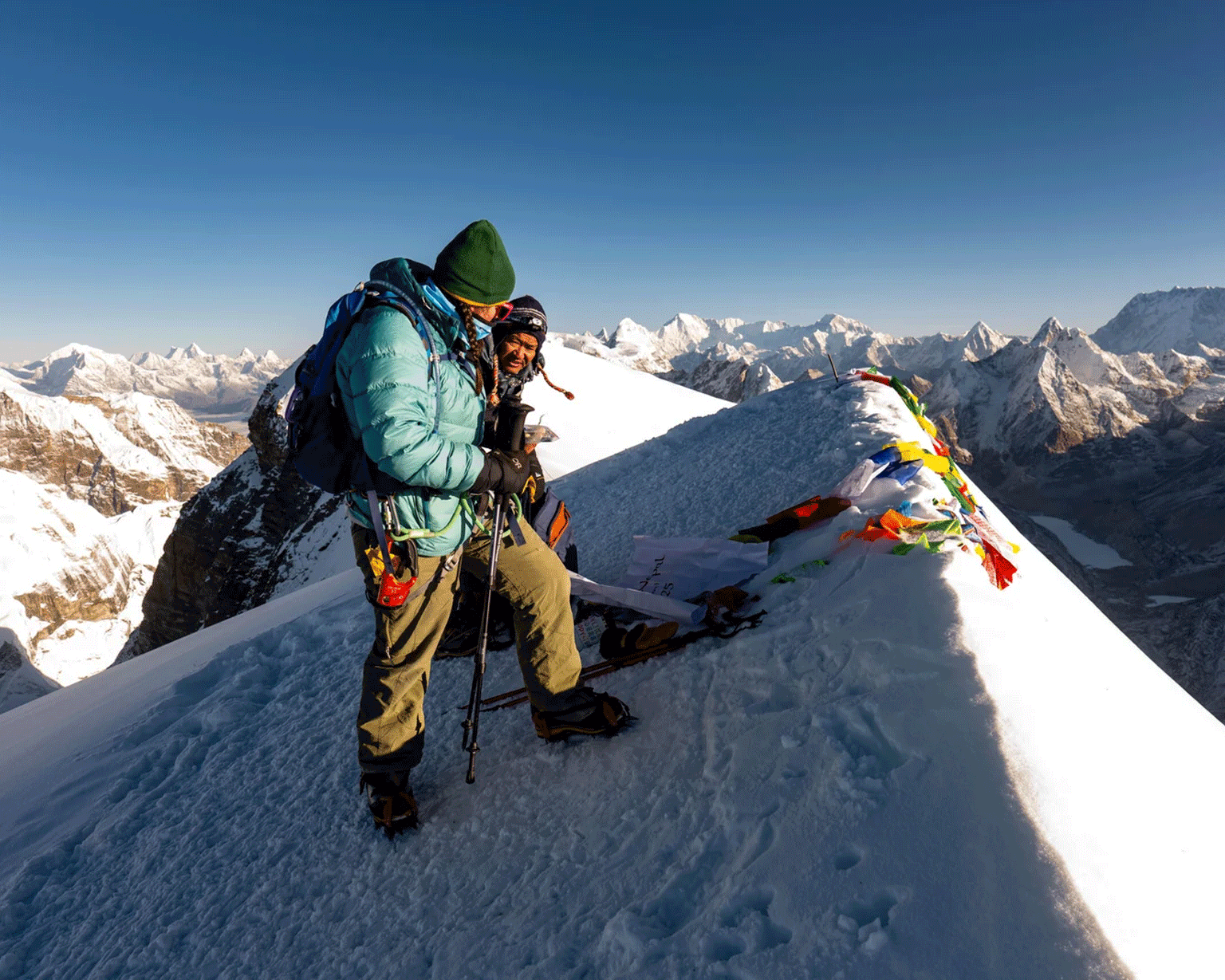
Mera Peak
Mount Everest
Kanchenjunga
Chulu East Peak
Mount Dhaulagiri
Annapurna I
Putha Hiunchuli Peak
Mount Makalu
Cho Oyu
Lhotse
Manaslu
Trusted Himalayan Adventures, Guided by Experts
Climb In Nepal is operated by Sherpa mountaineers with over 15 years of professional guiding experience in the Nepali Himalayas. Our lead guides hold verified summit records on 8,000m peaks and carry international safety certifications.
Every expedition we run is led by the same team you speak with during planning not subcontracted to a third party. You brief with us, you climb with us.
Need to Help? Don't Hesitate Friendly
Collaboarte with Experties
Need Help?
+977 9714180919
Why Choose Us
Climb In Nepal has been operating trekking and expedition services for over 15 years. Our guides are Sherpa professionals not hired contractors who have personally summited the peaks they lead.
Sherpa-led expeditions
Every trip is led by guides with personal high-altitude summit records, not general trekking staff. You climb with people who know these peaks intimately.
No subcontracting
The team you brief with is the team on the mountain with you, every time. No hand-offs, no surprises.
Conservative acclimatisation schedules
Our itineraries prioritise your safety over speed, with rest days built in at every critical altitude threshold.
International safety standards
All lead guides hold wilderness first responder certification and are trained in high-altitude rescue protocols.
Private groups only
We do not run shared group departures. Your itinerary is built around your goal, fitness level, and timeline.
Local employment
Our guides, cooks, and logistics staff are Nepali professionals employed on fair, documented contracts.
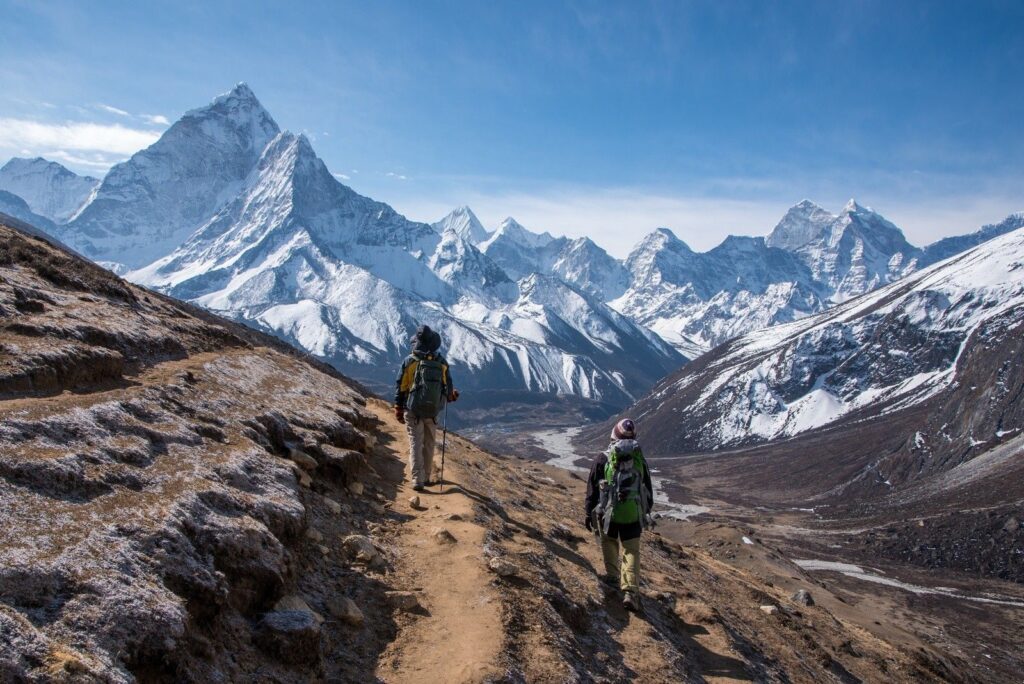
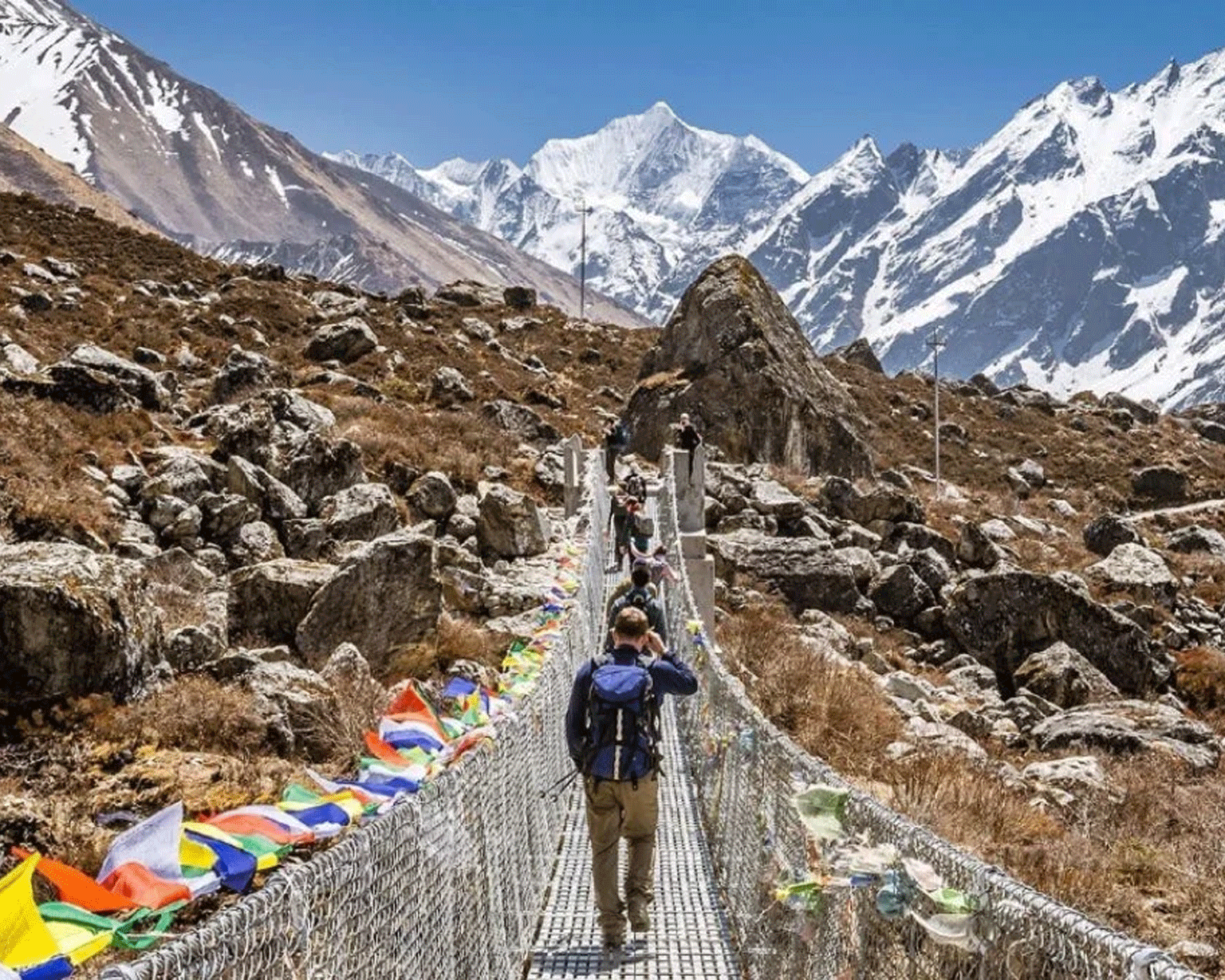
Treks across Nepal’s major regions Everest, Annapurna, Langtang, and beyond — led by experienced Sherpa guides who know these trails in every season.
Everest Base Camp Trek
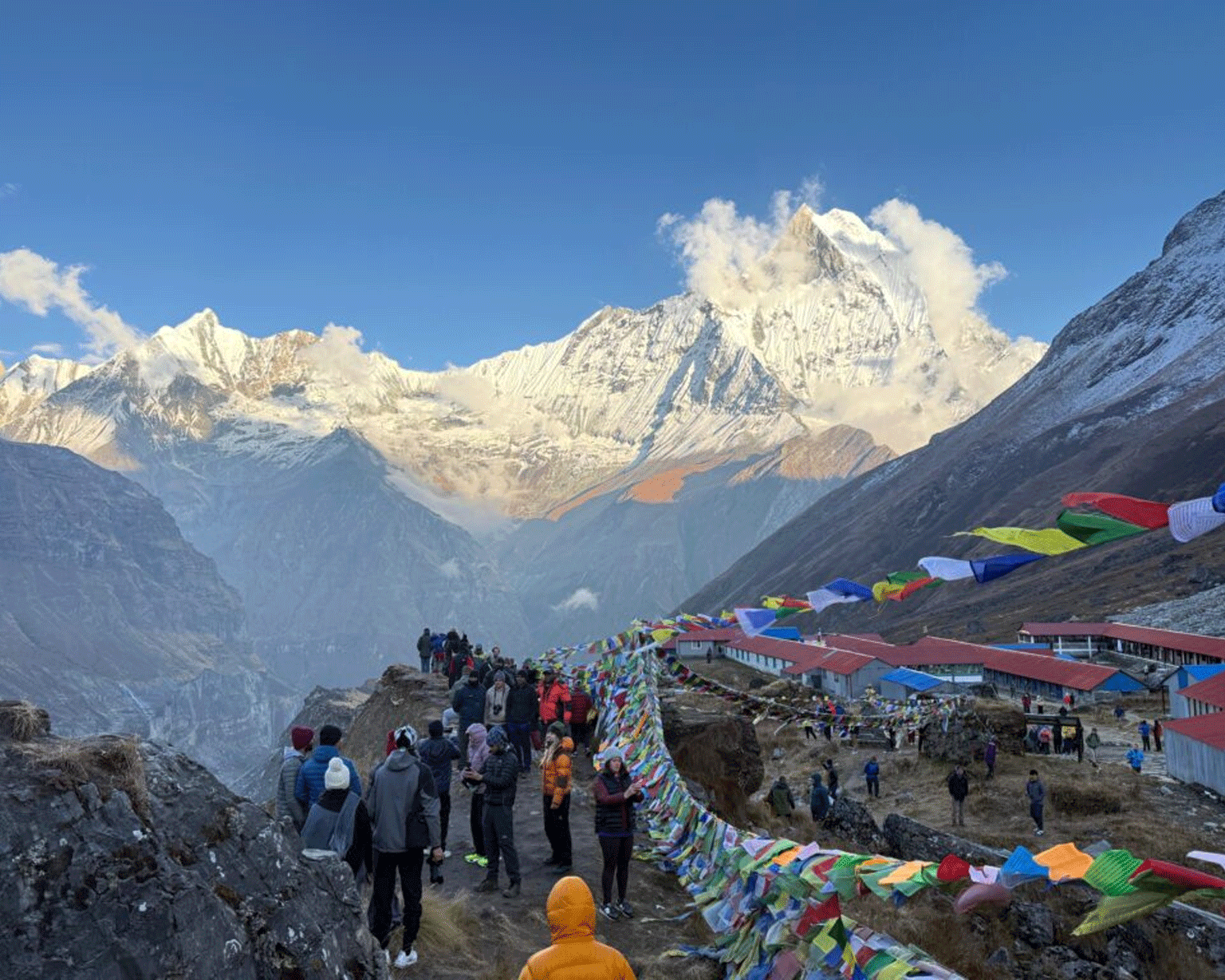
Annapurna Base Camp (ABC) Trek
Rolwaling Valley Trek
Poon Hill Ghorepani
Gokyo Trekking
Hear It from Travelers
We go beyond just booking trips we create unforgettable travel experiences that match your dreams!
Posted on Google
Rregan Kharel
Trustindex verifies that the original source of the review is Google.
Top-notch equipment, experienced guides, and a high-energy team. Climbing Himlung Himal (7,126m) with Climb in Nepal was the most challenging and rewarding thing I’ve ever done. Their focus on proper acclimatisation and high-altitude safety is the best in the business. Highly recommended for any serious mountaineer!
Posted on Google
Garima Shrestha
Trustindex verifies that the original source of the review is Google.
The climb was challenging but rewarding. The breathtaking views from the peak made it all worth it. Guides were experienced and knowledgeable, ensuring our safety throughout the journey.
Posted on Google
mission khabar
Trustindex verifies that the original source of the review is Google.
Amazing experience climbing Mera Peak with Climb In Nepal! The guides were professional, friendly, and made the entire journey safe and enjoyable. Everything was well organized from start to finish. Highly recommend them for anyone looking for a reliable trekking and climbing company in Nepal!
Posted on Google
Lok Shrestha
Trustindex verifies that the original source of the review is Google.
Me and my wife had our best time of our life. We went trekking with climb in Nepal . We went with mountain guide and trekking expert MR. Pasang Sherpa .His support ,Encouragement and guidance helped to push our limit . His knowledge of mountains , Flora and fauna was amazing . We thoroughly enjoyed our time with climb in Nepal team. Can't wait to go back again to the mountains with climb in Nepal .Thank you 🙏