

Altitude
6416m

Co-ordinates
28º 32' 57” N, 84º 33' 27” E

Duration
17 Days

Best Season
Spring and Autumn

Activity
Peak Climbing

Trip Grade
Moderate to Difficult
Larke Peak Climbing Nepal
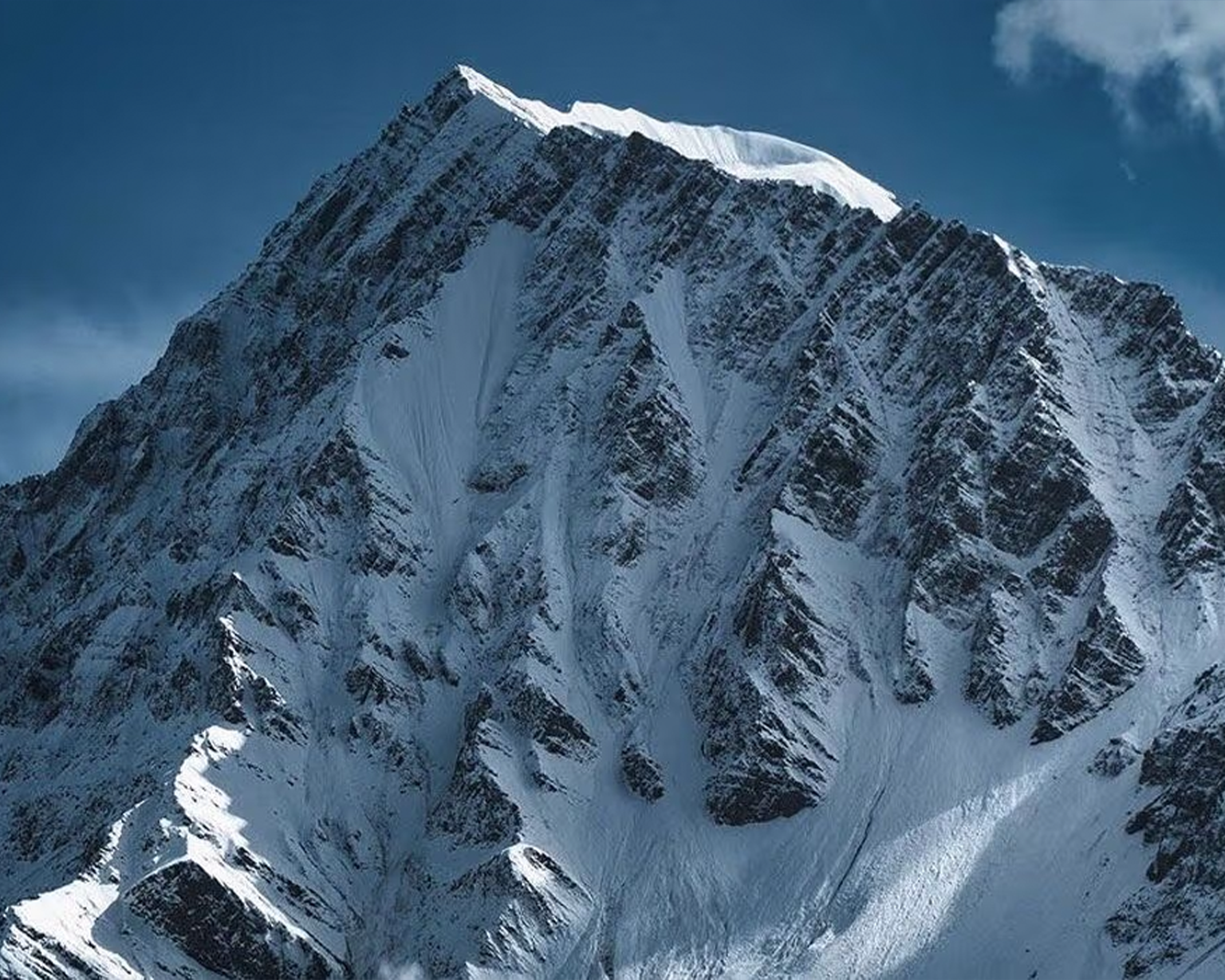
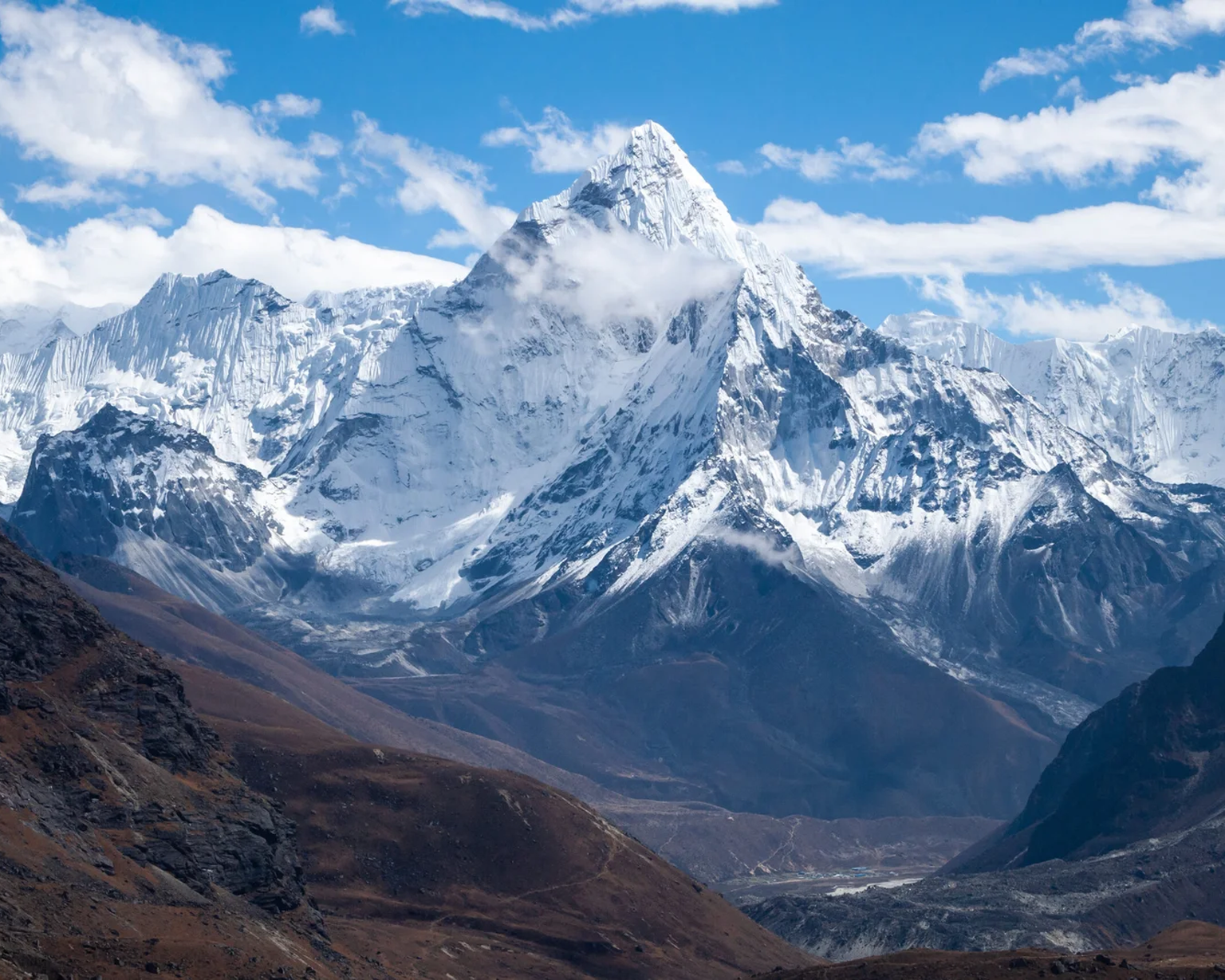
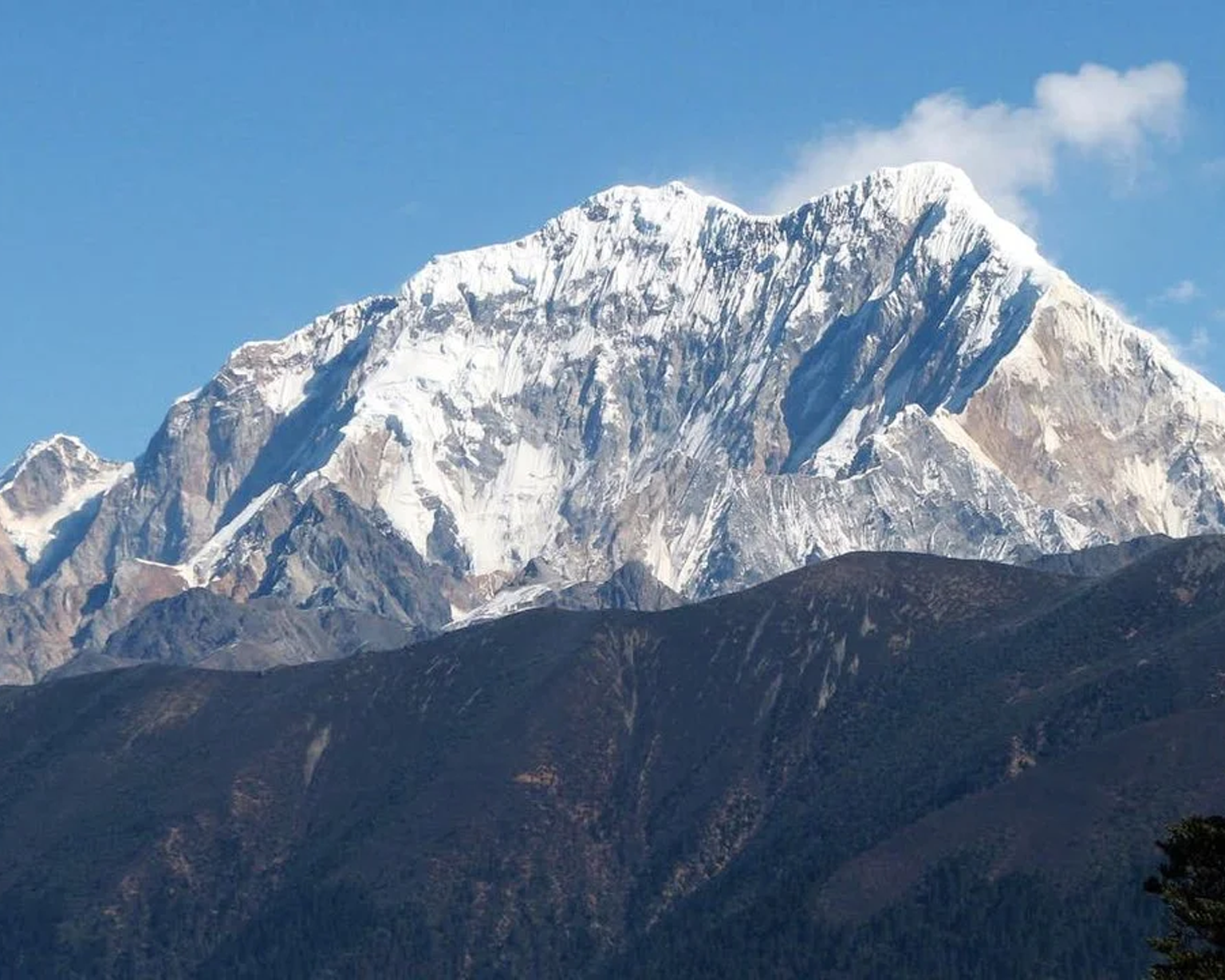
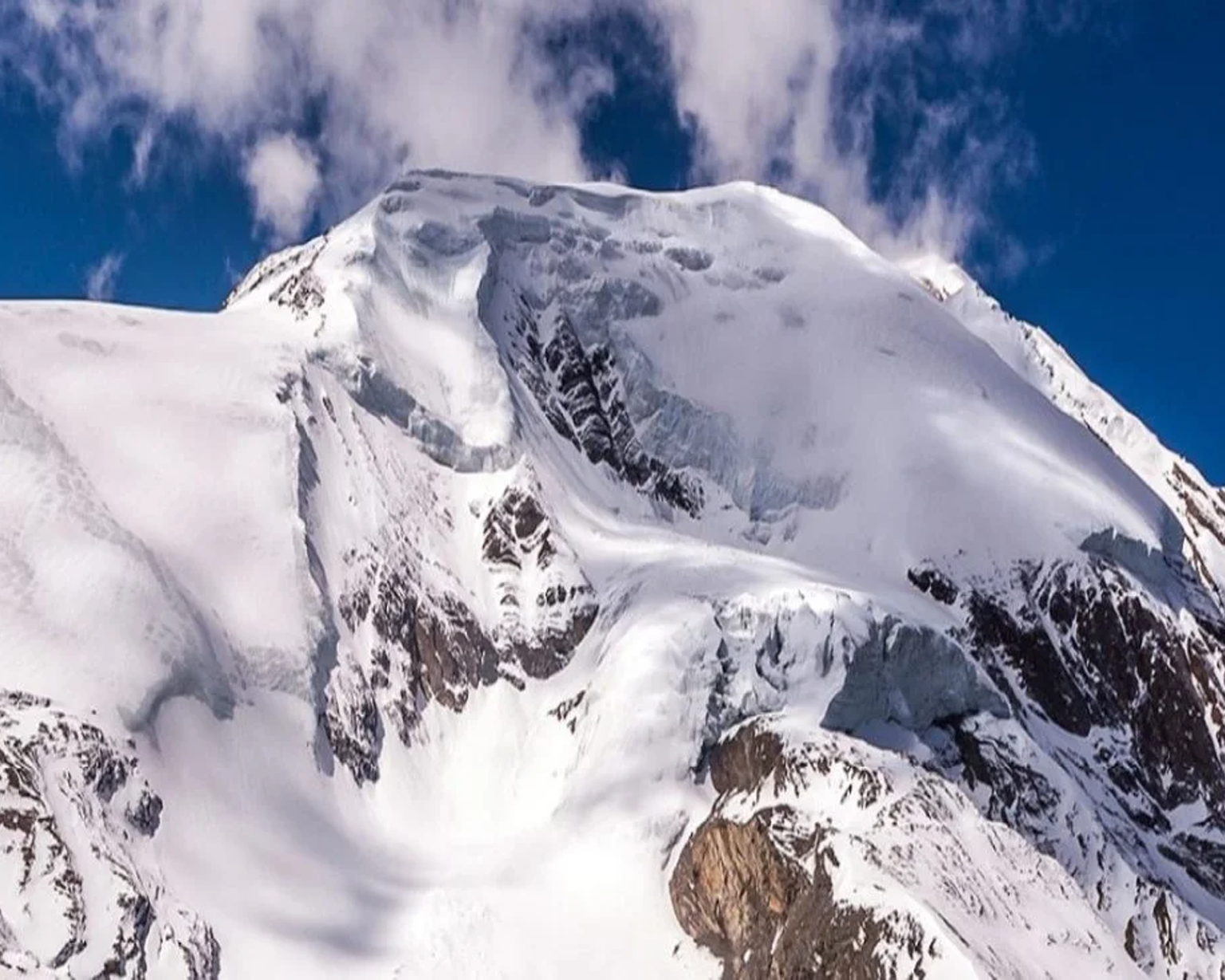
Larke Peak (6,416m) is a remote trekking peak in the Manaslu region. It suits those who want to combine the Manaslu Circuit with a real Himalayan climb.
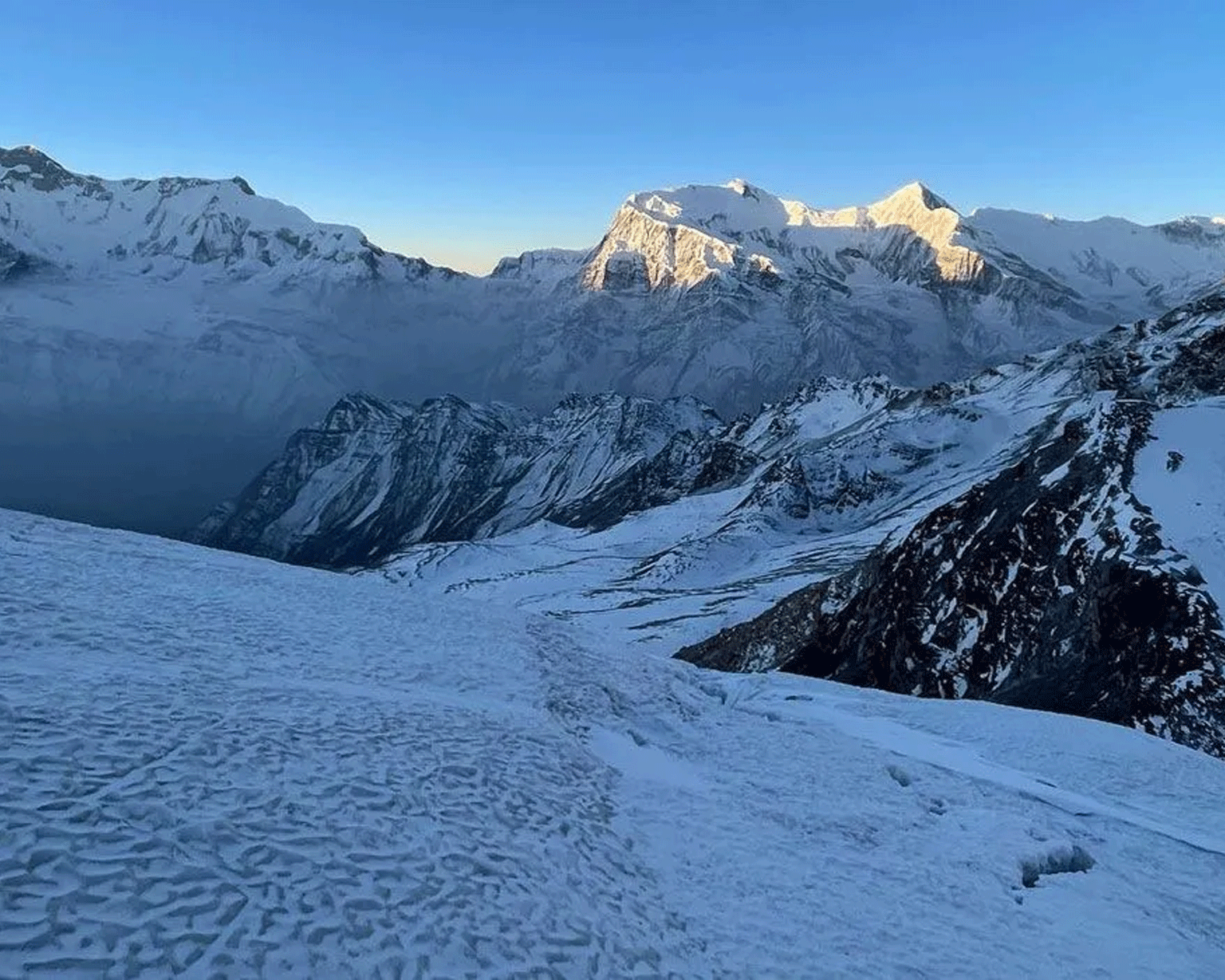
The journey follows the Budhi Gandaki Valley, passing through stone villages, forests, and high alpine landscapes. As you gain altitude, the route becomes more rugged, leading to glaciers and snow-covered slopes near Larke La Pass.
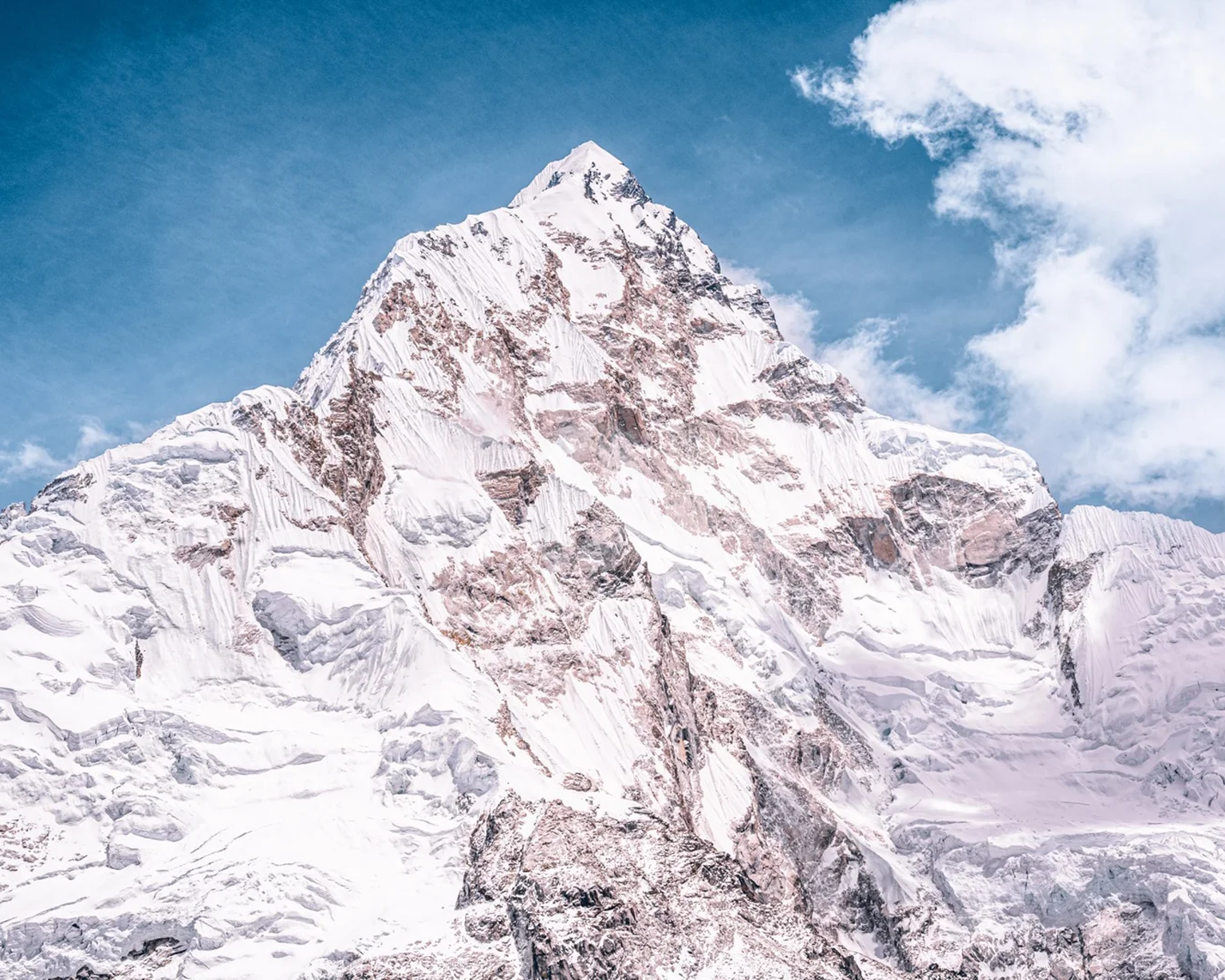
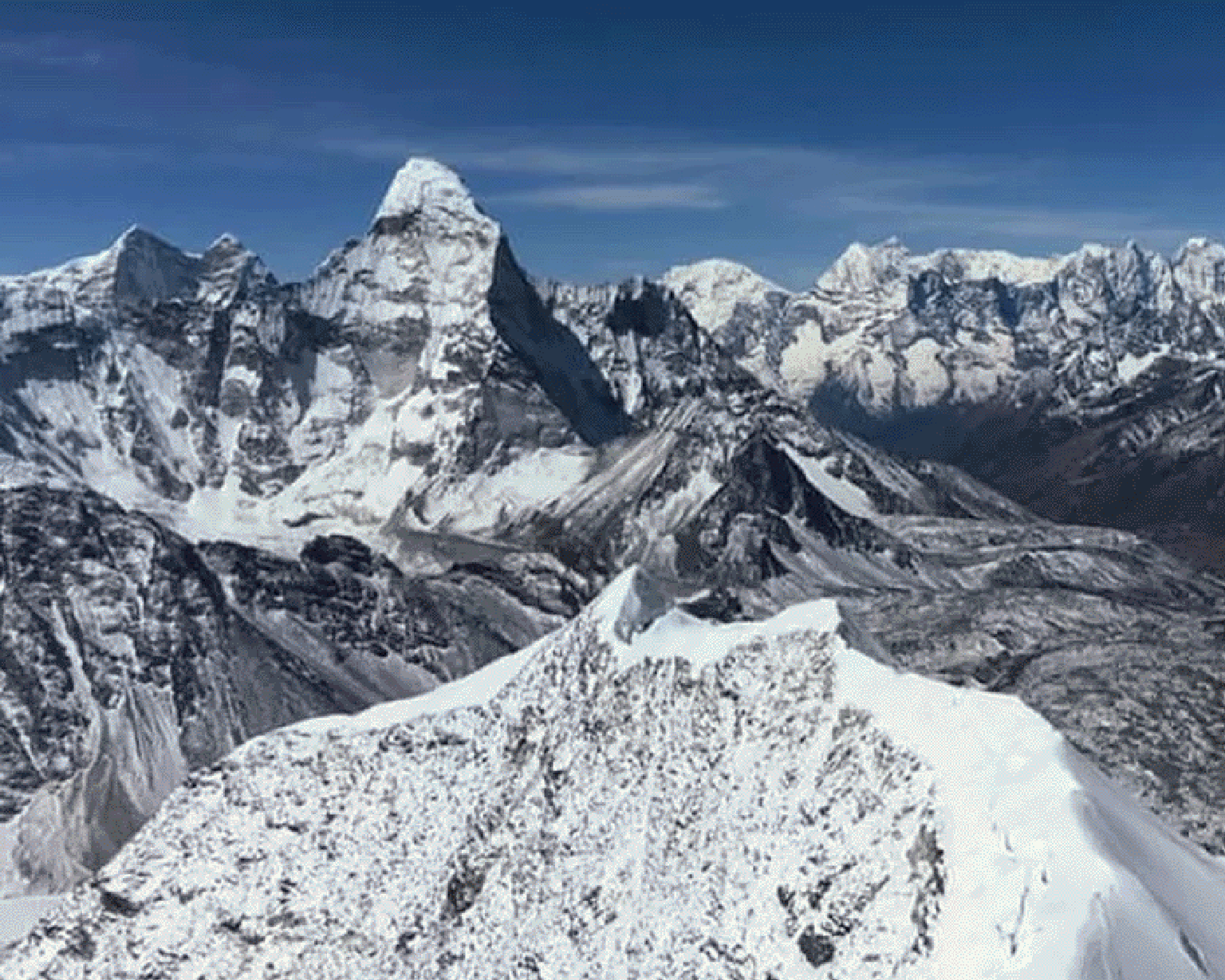
From the summit, you get wide views of Manaslu, Himlung Himal, Cheo Himal, and Annapurna II. The climb is tough but within reach for fit, well-acclimatized climbers.
Upon arrival at Tribhuvan International Airport (TIA), complete your Nepal entry visa formalities at the immigration counter. Our representative will welcome you at the arrivals hall and transfer you to your hotel in Kathmandu. After check-in, rest and recover from your international journey. In the evening, a short briefing about the program may be provided.
This day is reserved for expedition preparation and administrative arrangements. Our team completes all required permits and paperwork with the relevant authorities. A detailed equipment check is conducted to ensure all personal and technical climbing gear meets safety standards. You will meet the expedition leader for a full briefing covering the route, safety protocols, and logistics.
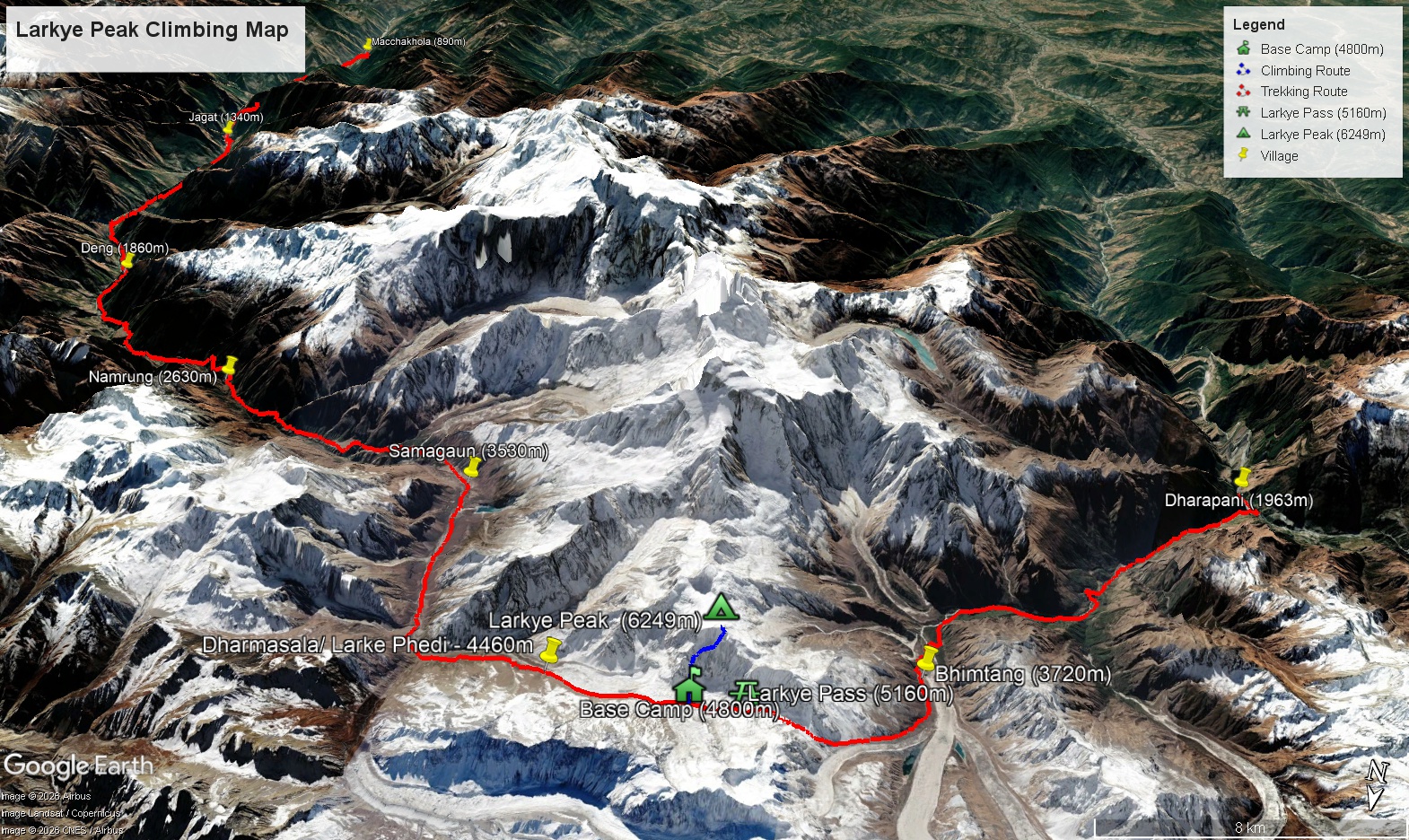
An early morning drive takes us westward from Kathmandu, following scenic highways and rural mountain roads along the Trishuli and Budhi Gandaki rivers. Passing terraced hills, small villages, and waterfalls, we reach Machha Khola, the starting point of our trek. Overnight at a local lodge.
The trek begins along the Budhi Gandaki River, crossing suspension bridges and narrow gorges. The trail passes through traditional Gurung villages, cultivated fields, and rocky sections carved into cliffs. After a steady ascent, we arrive at Jagat, a charming village marking entry into the Manaslu Conservation Area.
Today’s trail continues through forested paths and riverside trails, crossing several suspension bridges. The landscape gradually changes as we enter more remote mountain terrain. Passing small settlements and mani walls, we reach Deng, a quiet village surrounded by steep hillsides.
The trek ascends steadily through bamboo and rhododendron forests, crossing the Budhi Gandaki multiple times. Tibetan cultural influence becomes more prominent as we approach Namrung. Stunning views of Siring Himal and Ganesh Himal appear along the trail. Overnight in Namrung village.
A scenic day with magnificent mountain views. The trail passes through Lho village, home to beautiful monasteries and prayer flags, before continuing toward Samagaun. Manaslu (8,163 m) dominates the skyline throughout the day. Samagaun is a large Tibetan-style village and an important acclimatization stop.
A crucial acclimatization day to allow the body to adjust to altitude. Optional hikes include Manaslu Base Camp or Pungyen Gompa, offering breathtaking views of surrounding peaks and glaciers. The rest of the day is spent resting, hydrating, and preparing for higher elevations.
The trail climbs gradually above the tree line into alpine terrain. Passing yak pastures and glacial valleys, we reach Dharmasala, also known as Larke Phedi. This is the final settlement before the high pass and serves as a staging point for the peak climb.
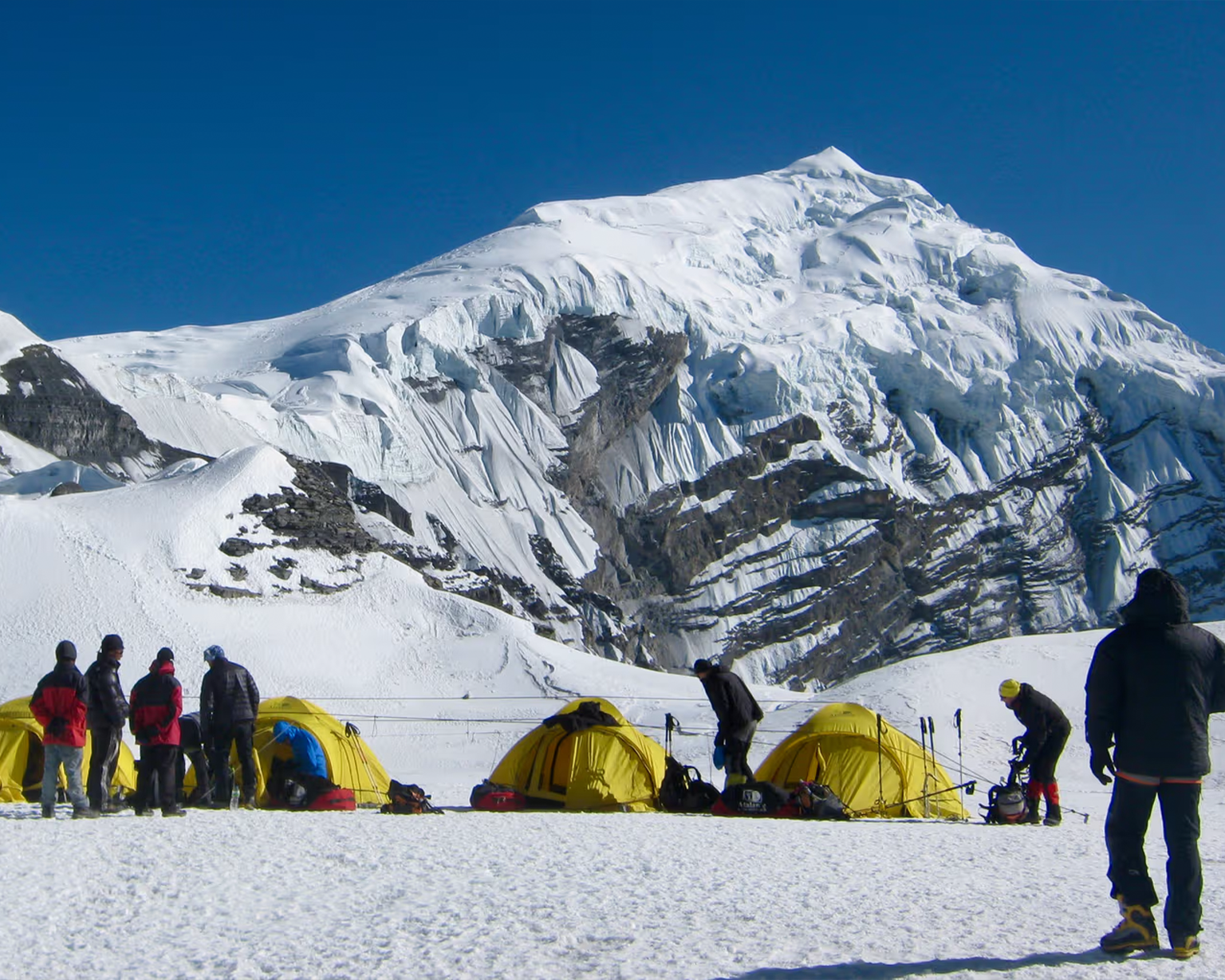
A short but demanding ascent leads to Larke Peak Base Camp. Upon arrival, the team establishes base camp with tents, kitchen, and dining facilities. The remainder of the day is spent resting, hydrating, and organizing climbing equipment in preparation for summit attempts.
This day is dedicated to technical training and acclimatization. Climbers receive instruction on using crampons, ice axes, fixed ropes, harnesses, and safety systems. Practice sessions on nearby slopes help build confidence and ensure readiness for summit day.
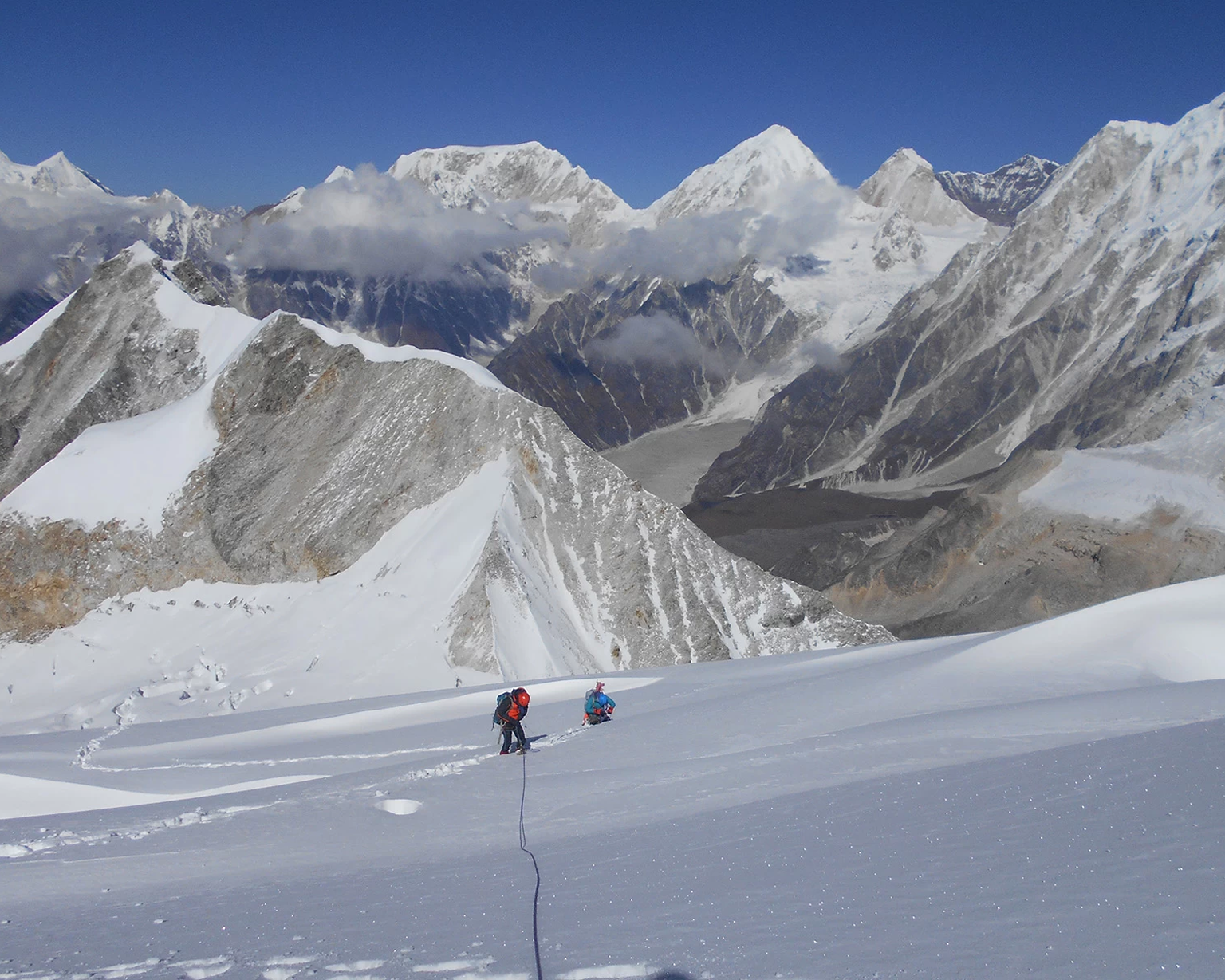
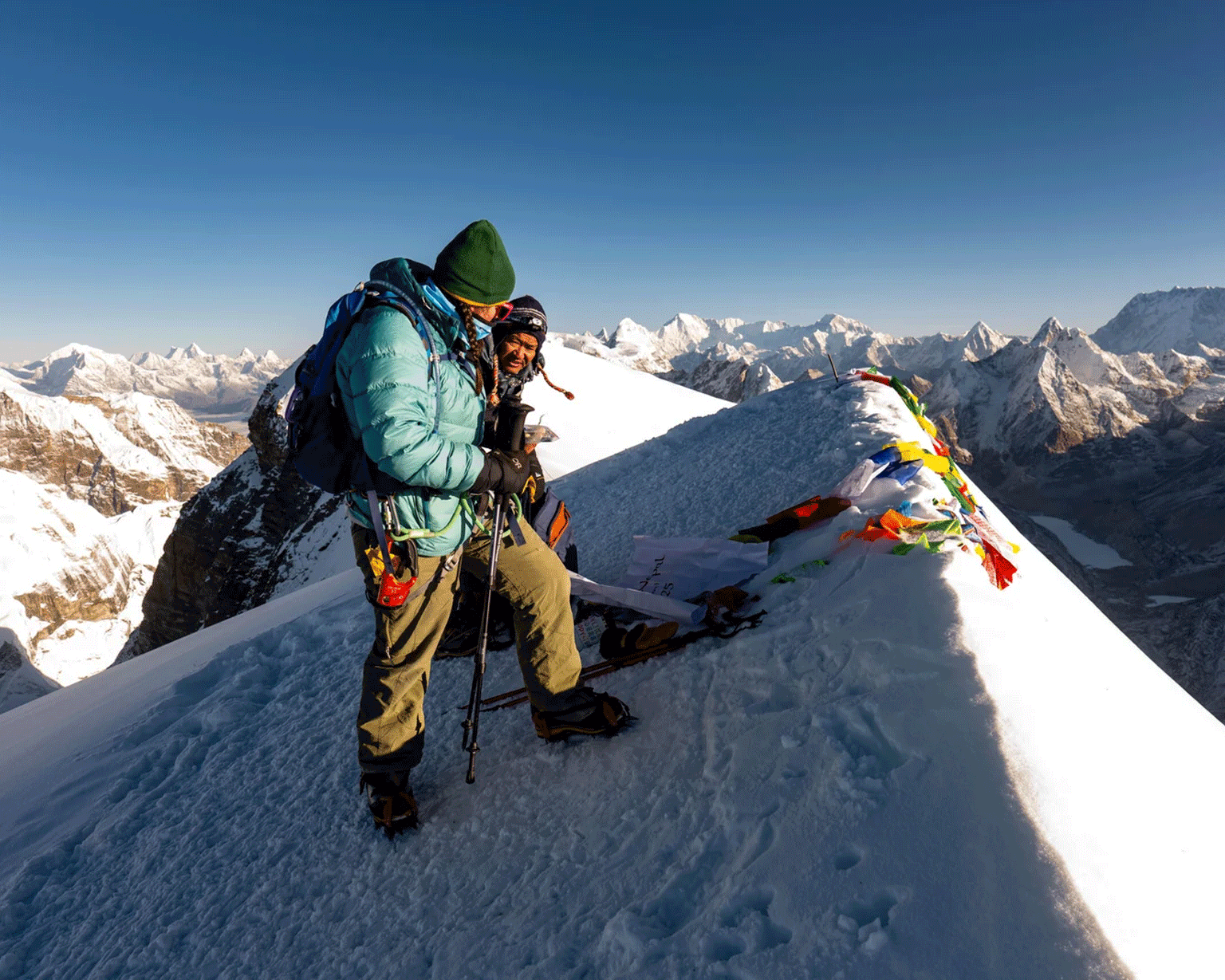
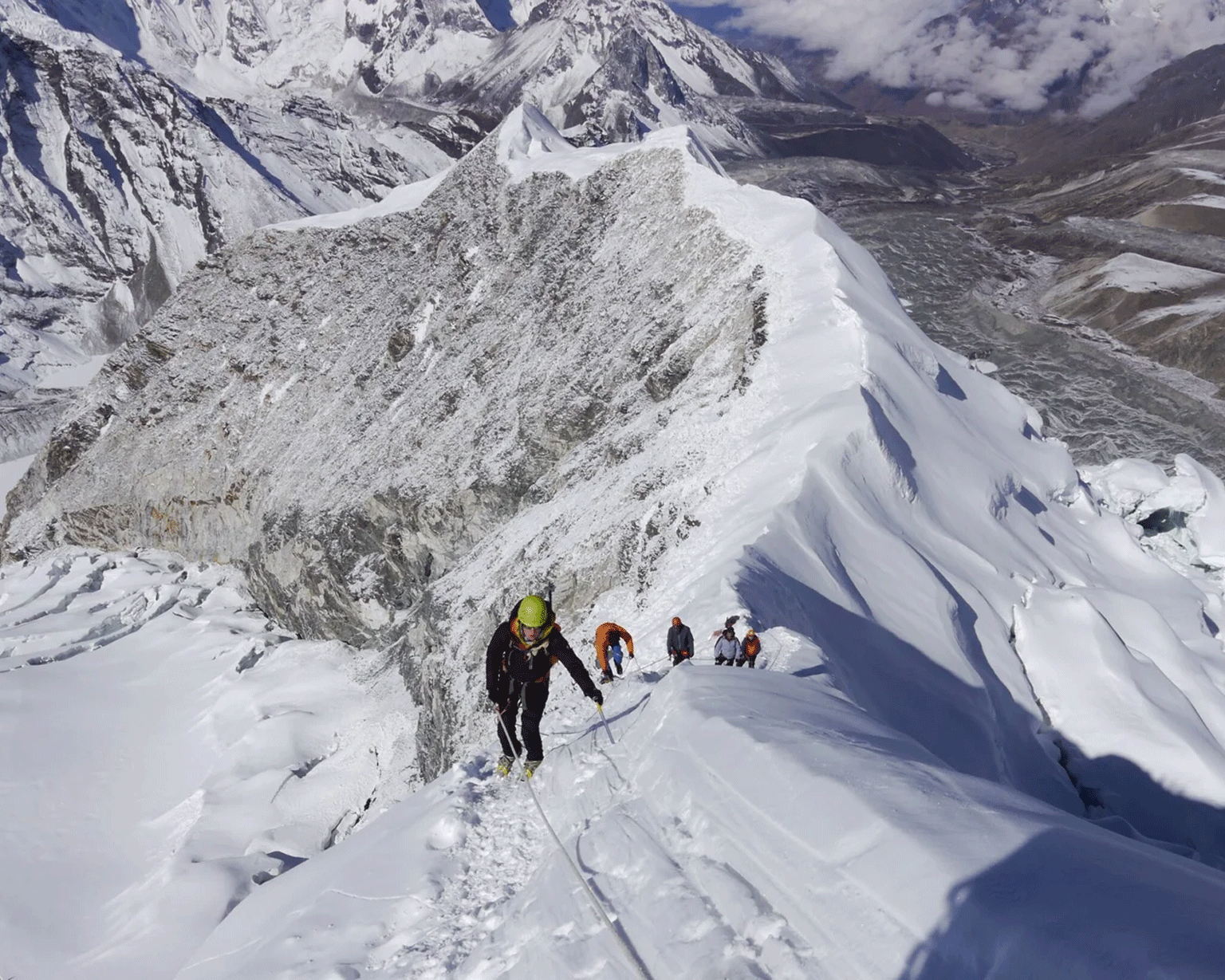
An early alpine start leads toward the summit of Larke Peak. The ascent involves snow and ice sections with fixed ropes as required. From the summit, enjoy panoramic views of Manaslu, Himlung Himal, Cheo Himal, and Annapurna ranges. After a successful summit, descend carefully back to Base Camp for overnight rest.
A challenging yet rewarding day. Crossing the dramatic Larke Pass offers spectacular views of glaciers, icefalls, and surrounding peaks. After the pass, a long descent through glacial moraines and alpine meadows leads to Bhimtang, a beautiful valley surrounded by snow-covered mountains.
The trail descends through rhododendron forests, yak pastures, and lush greenery. Passing through villages such as Gho and Tilije, we eventually reach Dharapani, where the Manaslu region meets the Annapurna Circuit route. Overnight at a comfortable lodge.
After breakfast, we drive to Besisahar by local jeep and continue onward to Kathmandu via scenic highway. Upon arrival, transfer to hotel and relax after the long journey.
A leisure day to relax and recover. Optional activities include sightseeing in Kathmandu Valley, souvenir shopping, spa treatments, or a farewell dinner with the expedition team. This day also serves as a contingency for weather or road delays.
According to your international flight schedule, you will be transferred to Tribhuvan International Airport for your onward journey. The expedition concludes with unforgettable memories of Larke Peak and the remote Manaslu region.
Package details
What's Included
- Airport pick up and drops off.
- Transportation by public jeep and bus.
- Three meals daily.
- National park entry fees.
- Permit for related peak.
- High food and utensils up to basecamp.
- Team equipment.
- Two persons sharing a base tent up to base, single in base.
- Summit bonus for guides and assistants.
- Tips guide, assistants, crews staff.
- Summit party expenses.
- So on.
What's not Included
- Visa fees if you are getting your visa on arrival.
- Meals in Kathmandu.
- Extra night in Kathmandu.
- Travel and climbing coverage insurance.
- Extra drinks like juice, Coca-Cola, beer, Hard drinks, etc.
- Hot shower on the way to trekking.
- Thermos hot water.
- Local entry fees as Monastery, Temples, Schools, donations, etc.
- Peak climbing permit and expenses.
- Helicopter charge if you use or need.
- Personal gear and equipment.
- Wi-Fi charges during trekking and in the base.
Why Choose Larke Peak Climbing?
Larke Peak sits deep inside the Manaslu Conservation Area, one of Nepal’s most pristine and least commercialised mountain regions. The approach is long, the setting is wild, and the summit reward is exceptional. For those who want real remoteness alongside a genuine high-altitude climb, Larke Peak is a rare find.
Deep inside the Manaslu Conservation Area
Combines with the full Manaslu Circuit
Larke La Pass crossing included
Outstanding summit panorama
Authentic Tibetan cultural immersion
Less visited than Everest and Annapurna peaks
A complete Himalayan journey
Well-structured acclimatisation
Book Now
Our experienced guides and expedition team are ready to plan your Larke Peak adventure. Fill out the form and we’ll get back to you within 24 hours with a tailored proposal.
How Difficult Is Larke Peak Climbing?
Moderate to Strenuous
Larke Peak is a serious remote objective. The approach is long and the terrain is progressively more demanding as you gain altitude. The summit push involves snow and glacier climbing, and the Larke La crossing adds a significant high-altitude challenge after the climb. This is the right peak for fit, determined trekkers ready to step into genuine mountaineering.
- 6–8 hours of trekking per day on increasingly remote and rugged terrain
- Snow and glacier climbing with crampons, ice axe, and fixed ropes required
- Larke La Pass crossing at 5,160m adds significant altitude challenge after summit day
- Dedicated acclimatisation day at Samagaun and training day at base camp
- Previous high-altitude trekking experience strongly recommended
Effort breakdown
Based on our guides’ experience
Best Time for Larke Peak Climbing
The Manaslu region sits in a rain shadow that gives it slightly different weather patterns from the Everest and Annapurna regions. Choosing the right season on Larke Peak matters both for the summit and for the Larke La crossing.
Recommended seasons
Stable weather, good visibility, and firm snow conditions on both the summit and the Larke La Pass
Clear skies after monsoon, dry trails, excellent summit conditions — October is the most reliable month
Seasons to avoid
Monsoon (June – Aug)
Heavy rainfall, dangerous river crossings on the Budhi Gandaki approach, poor visibility on the upper mountain
Winter (Dec – Feb)
Extreme cold, heavy snowfall, and very high avalanche risk make both the summit and the Larke La crossing extremely dangerous
Who Can Climb Larke Peak?
Larke Peak rewards climbers who come prepared. The remoteness of the Manaslu region means there is less margin for error than on more accessible peaks. Fitness, acclimatisation, and the right attitude are all non-negotiable.
Requirements
- Good to excellent physical fitness and cardiovascular endurance
- Previous trekking experience above 4,000m strongly recommended
- Manaslu Circuit or similar remote trek experience is ideal preparation
- Basic mountaineering knowledge or strong willingness to learn on the approach
Training Includes
- Crampon fitting and glacier travel techniques
- ce axe use and self-arrest practice
- Fixed rope and jumar technique
- High-pass crossing preparation for Larke La
- High-altitude breathing and pacing strategies
Larke Peak Climbing FAQs
Everything you need to know before booking your expedition.
The standard Larke Peak expedition runs 17 days from Kathmandu and back. This includes the drive to Machha Khola, the multi-day Manaslu Circuit approach through Jagat, Deng, Namrung, and Samagaun, an acclimatisation day at Samagaun, the trek to base camp at 4,800m, a training and acclimatisation day, summit day, the Larke La Pass crossing to Bhimtang, the descent to Dharapani, and the drive back to Kathmandu. The itinerary is well-paced with built-in rest days and a contingency buffer. Climbers who want to spend more time exploring the Manaslu region or add additional acclimatisation days can extend the trip to 19–20 days.
Larke Peak is a remote high-altitude objective and the Manaslu Conservation Area is significantly less developed in terms of rescue infrastructure than the Everest or Annapurna regions. This makes choosing an experienced, well-equipped agency even more critical than on more accessible peaks. The primary hazards are altitude sickness, glacier and snow slope conditions on the upper mountain, avalanche risk on the approaches to and from Larke La, and the physical demands of a long multi-day expedition in a remote environment. All risks are well-managed with experienced government-licensed guides, strict acclimatisation protocols, daily health monitoring, and comprehensive emergency equipment. Helicopter rescue insurance is absolutely essential for Larke Peak emergency evacuation from the Manaslu region is possible but requires adequate coverage arranged well in advance.
rior high-altitude trekking experience is strongly recommended for Larke Peak. While the technical climbing demands are moderate, the remoteness of the Manaslu region and the cumulative physical challenge of a 17-day expedition mean that climbers with no previous altitude experience face significantly higher risks. Ideally you should have completed a major high-altitude trek such as the Everest Base Camp or Annapurna Base Camp route before attempting Larke Peak. Technical skills including crampon use, ice axe technique, and fixed rope ascending will be taught by your guide during the training day at base camp, but arriving with some prior exposure to glacier terrain is a genuine advantage on summit day.
The summit success rate for Larke Peak is approximately 65–75% for well-prepared climbers who follow the recommended acclimatisation schedule. The rate is influenced by the remote setting, the cumulative fatigue of the long Manaslu Circuit approach, and the fact that summit day is followed by the demanding Larke La crossing meaning climbers need to maintain physical reserves beyond the summit push itself. Spring delivers the highest success rates due to stable weather and firmer snow conditions. Thorough physical preparation before the expedition and strict adherence to the acclimatisation schedule are the two most critical factors in reaching the summit successfully.
Temperatures across this expedition’s altitude range vary considerably by location and season. At Samagaun (3,530m) in autumn, daytime temperatures are 8°C to 15°C with nights dropping to -3°C to -8°C. At Larke Phedi (4,460m), overnight temperatures fall to -10°C to -15°C. At base camp (4,800m), nights regularly drop below -12°C to -18°C. On summit day at 6,249m, wind chill can push perceived temperatures to -25°C or lower, particularly on the exposed upper snow slopes. The Larke La crossing at 5,160m the following day adds another cold and physically demanding section that requires warm layering even after the summit has been reached. A four-season sleeping bag, high-quality down jacket, insulated gloves, and a balaclava are all essential throughout the upper sections of this expedition.
Several permits are required for the Larke Peak expedition. First, the Larke Peak climbing permit issued by the Nepal Mountaineering Association (NMA). Second, the Manaslu Conservation Area Permit (MCAP), required for all trekkers and climbers entering the Manaslu Conservation Area. Third, a Restricted Area Permit is required for the Manaslu Circuit, as the region falls within a restricted trekking zone this permit must be obtained through a registered trekking agency and cannot be arranged independently. A TIMS card is also required. All permit arrangements are handled by your agency as part of the expedition package, and the restricted area permit requirement means booking through a registered agency is not just recommended it is legally mandatory.
Essential technical gear for Larke Peak includes mountaineering boots compatible with step-in crampons, crampons, ice axe, climbing harness, helmet, jumar ascender, carabiners, and a belay device. For clothing, a high-quality down suit or equivalent four-season layering system is essential given the altitude and remoteness of the upper mountain. Insulated gloves and overmitts, a balaclava, glacier goggles, and high-SPF sunscreen are all required. A four-season sleeping bag rated to -20°C is essential for base camp and high camp nights. Most agencies supply shared technical equipment including fixed ropes and anchors. Given the remote nature of the Manaslu region, a reliable headlamp with multiple spare batteries is particularly important, as is a quality daypack that carries everything needed for a long summit day followed by the Larke La crossing.
The standard route begins with a drive from Kathmandu to Machha Khola, followed by the Manaslu Circuit trek along the Budhi Gandaki Valley through Jagat, Deng, Namrung, and Samagaun. From Samagaun, the route heads toward Larke Phedi and base camp at 4,800m. The summit push involves ascending snow and glacier terrain to the Larke Peak summit at 6,249m. After the descent back to base camp, the route continues over the dramatic Larke La Pass at 5,160m before dropping down through glacial moraines and alpine meadows to Bhimtang and the descent to Dharapani. This linear route through the Manaslu Conservation Area is one of the most rewarding complete mountain journeys available to non-professional climbers in Nepal.
Yes, and the combination is one of the most natural in Nepal. The Larke Peak approach follows the Manaslu Circuit directly, meaning the climb integrates seamlessly with the full circuit route. Climbers can extend the itinerary to complete more sections of the circuit before or after the summit. The Manaslu Circuit is also frequently combined with the Annapurna Circuit via Dharapani, where the two routes meet, creating an extended trans-Himalayan journey of 25–30 days for those with the time and fitness. Larke Peak is occasionally combined with other Manaslu region objectives such as Himlung Himal for more experienced mountaineers, though this requires a significantly longer itinerary and a higher level of technical proficiency.
Given the length and remoteness of the Larke Peak expedition, training should begin at least 3–4 months before departure and cover both physical endurance and mental preparation. Cardiovascular endurance is the priority running, cycling, swimming, and stair climbing with a weighted pack will build the aerobic base needed for sustained 6–8 hour days at altitude across 17 days. Leg and core strength training is equally important given the long descents, particularly from the summit back to base camp and over the Larke La crossing to Bhimtang. If possible, complete a high-altitude trek above 4,000m before the expedition to give your body real experience with altitude stress. Pay particular attention to building expedition endurance, the ability to perform consistently over many consecutive days of physical effort as this is what separates successful Larke Peak climbers from those who struggle in the final days of the trip.