

Altitude
6119m

Co-ordinates
27°57′34″N, 86°47′24″E

Duration
20 Days

Best Season
Spring and Autumn

Activity
Peak Climbing

Trip Grade
Moderate to Difficult
Lobuche East Peak
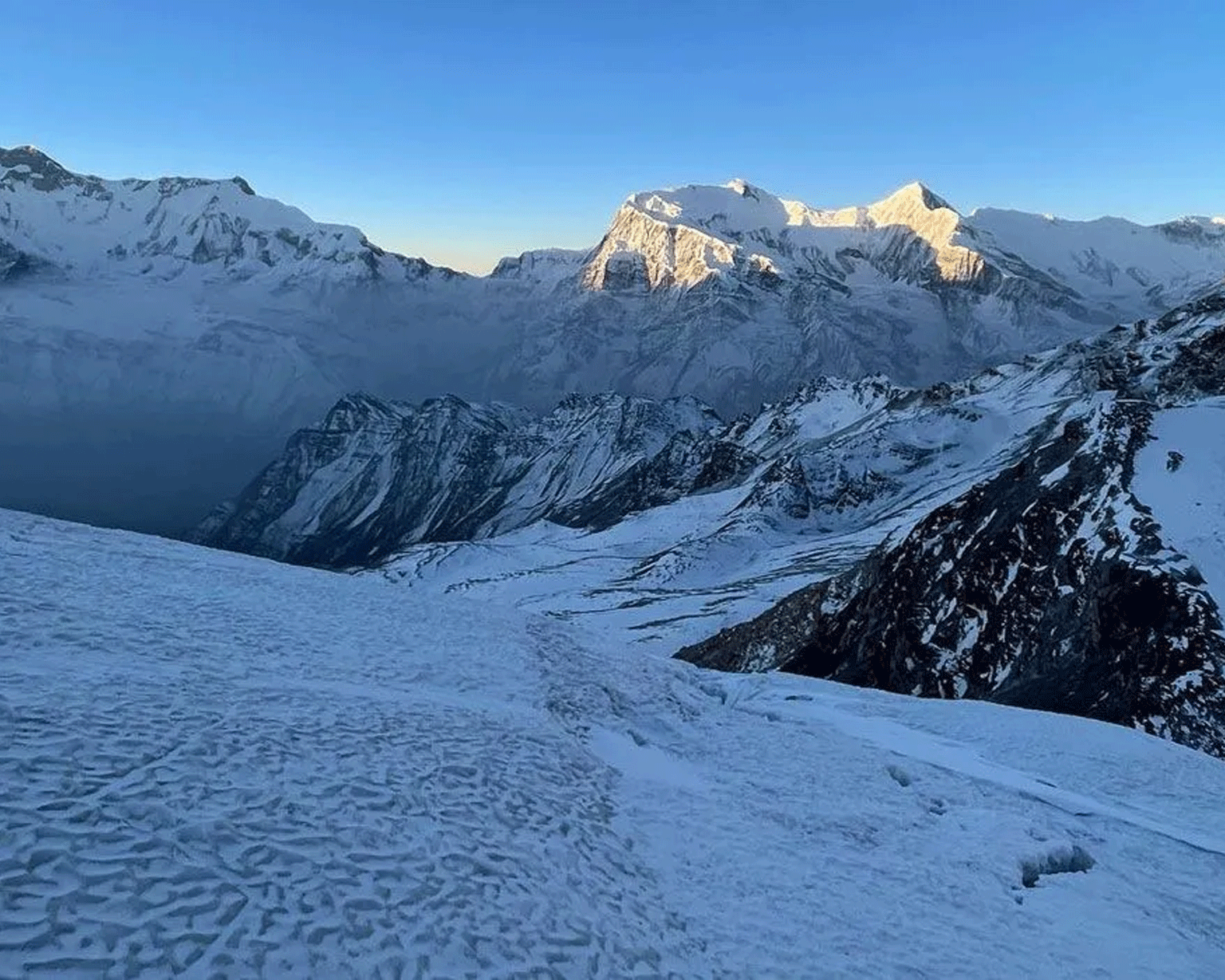
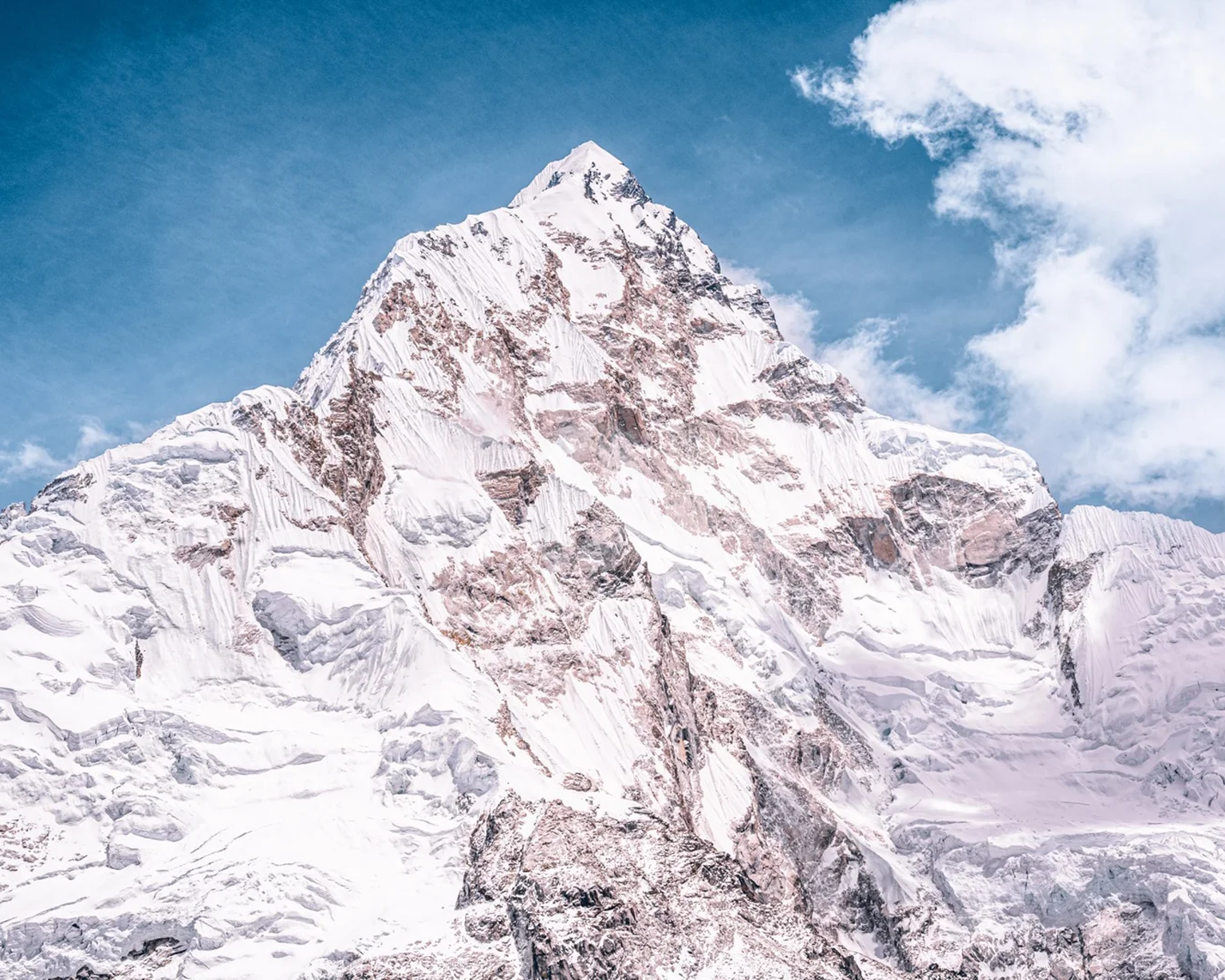
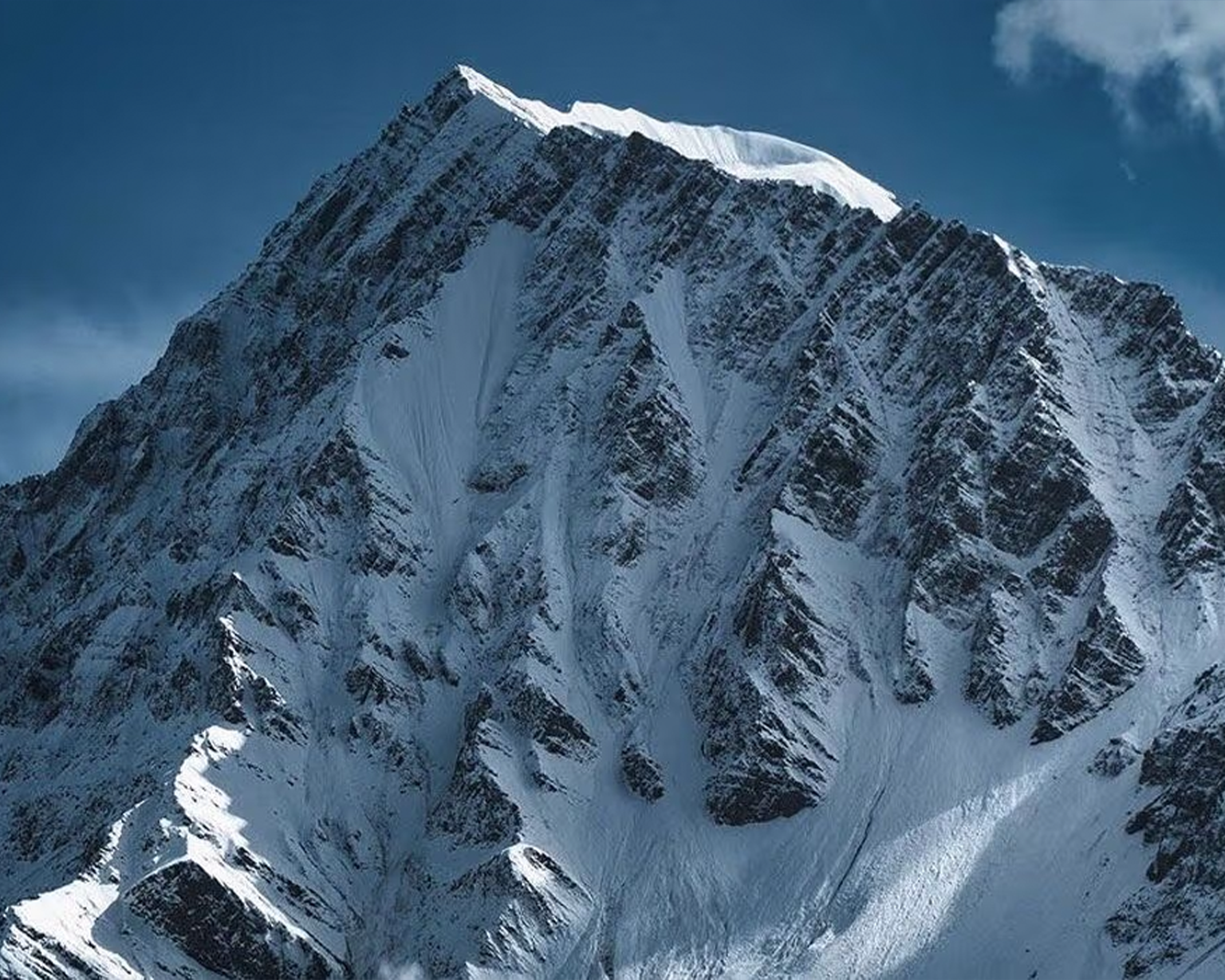
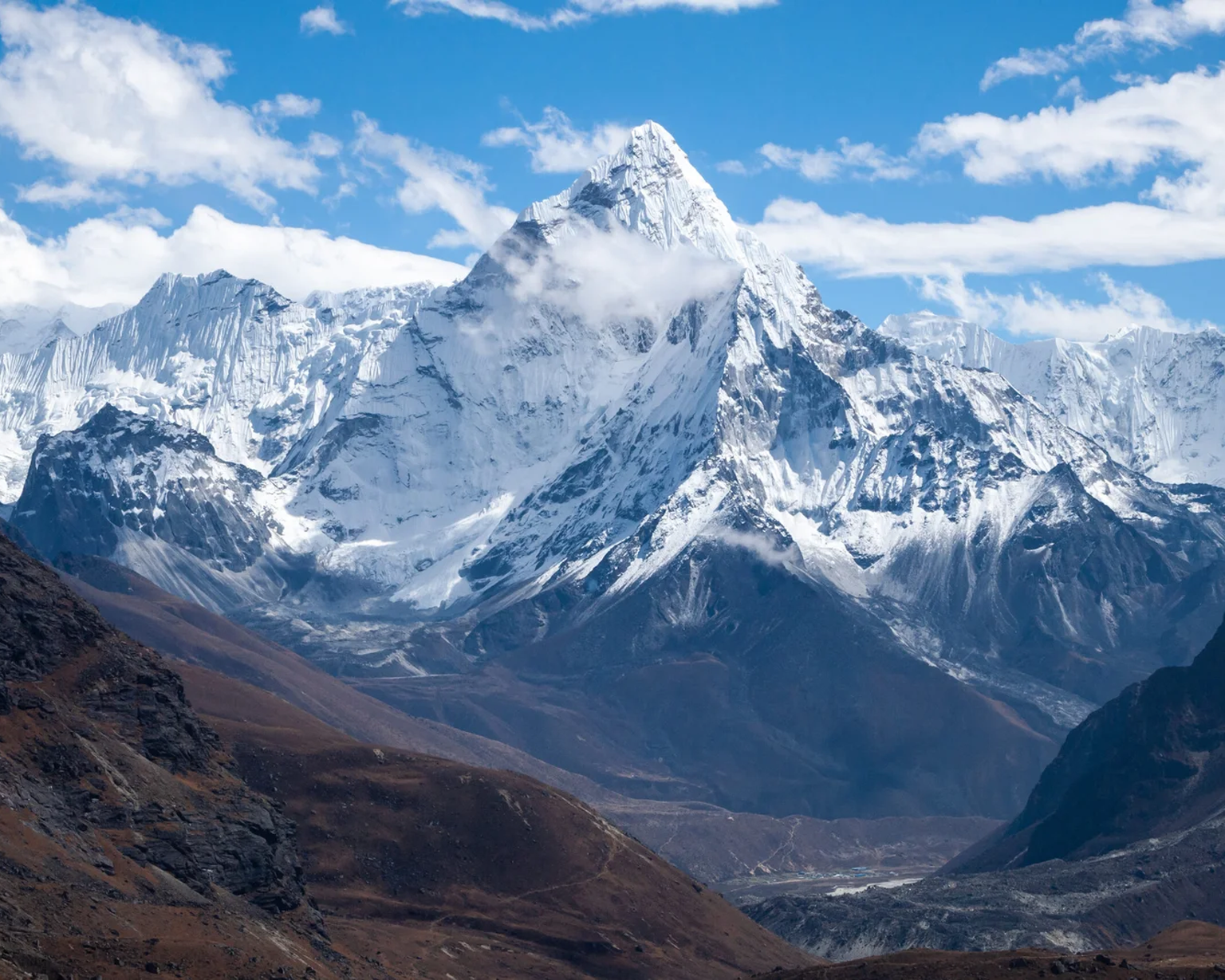
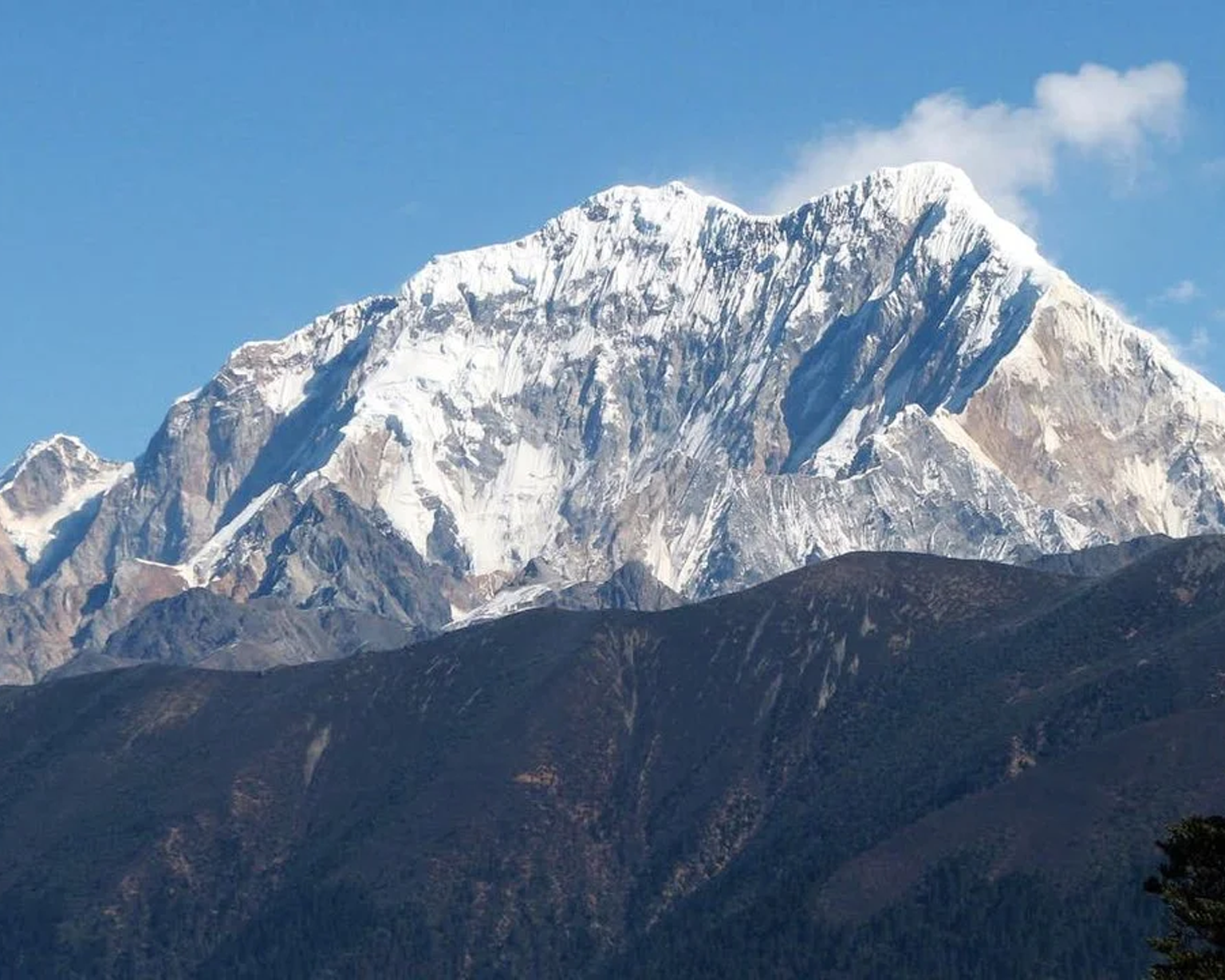
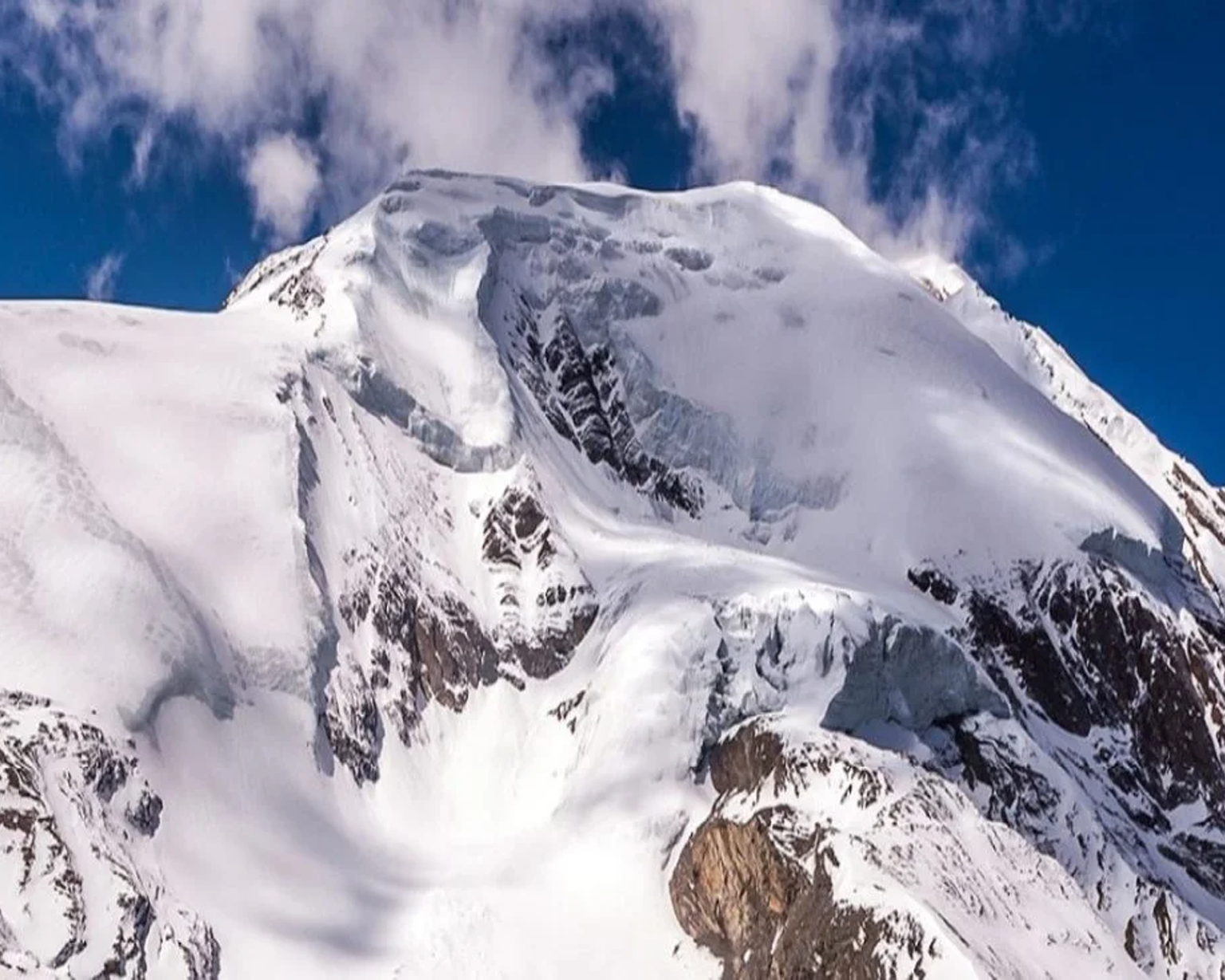
Standing at 6,119 metres, Lobuche East sits in Nepal’s Khumbu region, just off the Everest Base Camp trail. It is one of the few trekking peaks that puts you directly among the giants, without demanding the skills of a seasoned mountaineer.
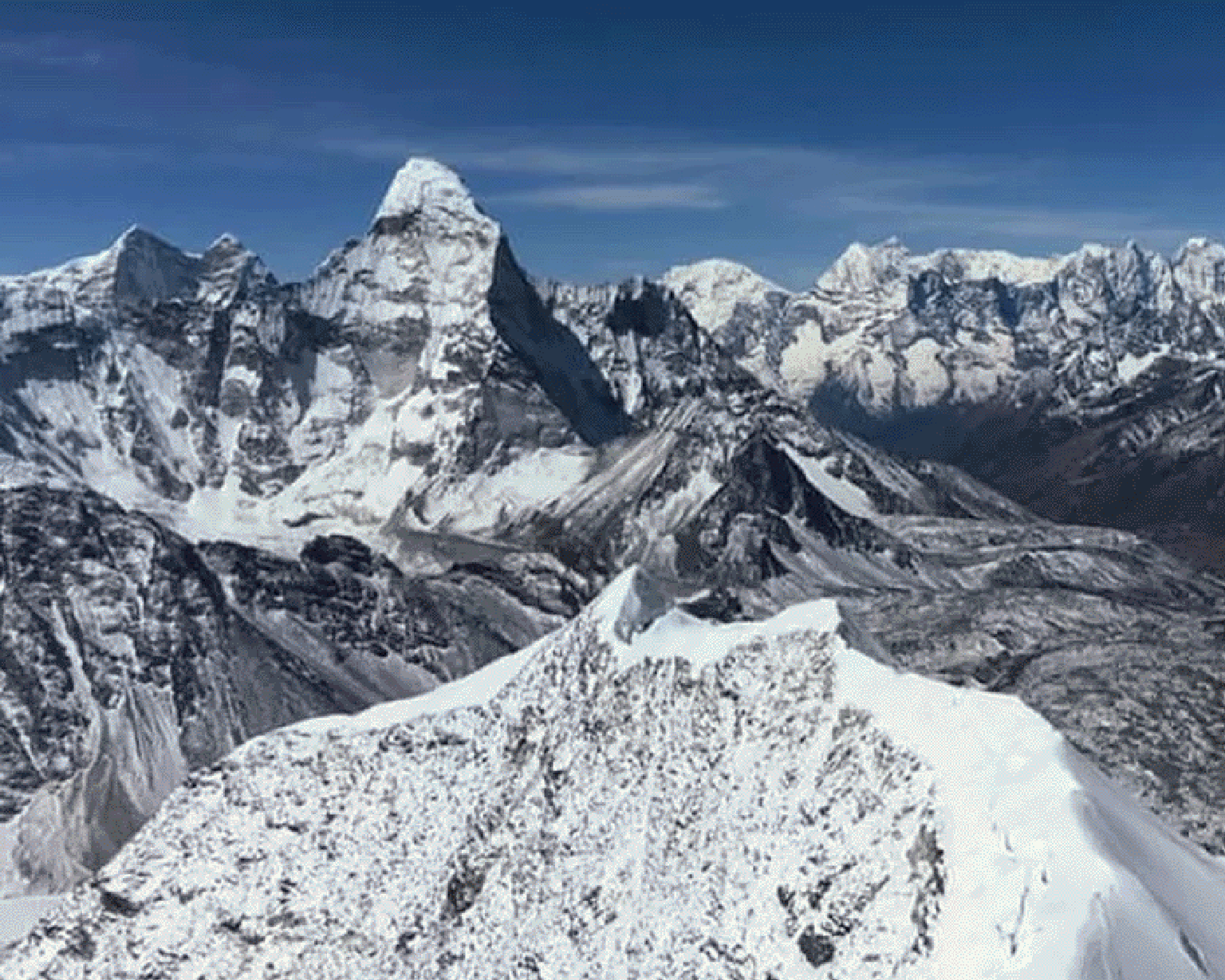
The summit is the payoff. Everest, Lhotse, Nuptse, Ama Dablam, Cho Oyu, Makalu. All of them, right there, from one spot. Few trekking peaks in Nepal come close to this view.
Getting there means walking the same ground as Everest climbers, through Sherpa villages, past the Khumbu Glacier, and up into high alpine terrain where crampons and ice axe take over. For trekkers ready to move beyond base camp and actually climb something, Lobuche East is the logical next step.
Upon arrival at Tribhuvan International Airport (TIA), complete your Nepal entry visa formalities at the immigration counter. Our representative will greet you in the arrivals hall and transfer you to your hotel in Kathmandu. After check-in, rest and recover from your international journey. In the evening, a brief welcome meeting and program overview will be provided.
This day is reserved for expedition preparation and final arrangements. Our team will complete all required permits and documentation. A detailed equipment check is conducted to ensure all personal trekking and climbing gear meets safety standards. You will meet the climbing guide for a full briefing covering the route, acclimatization plan, safety measures, and logistics.
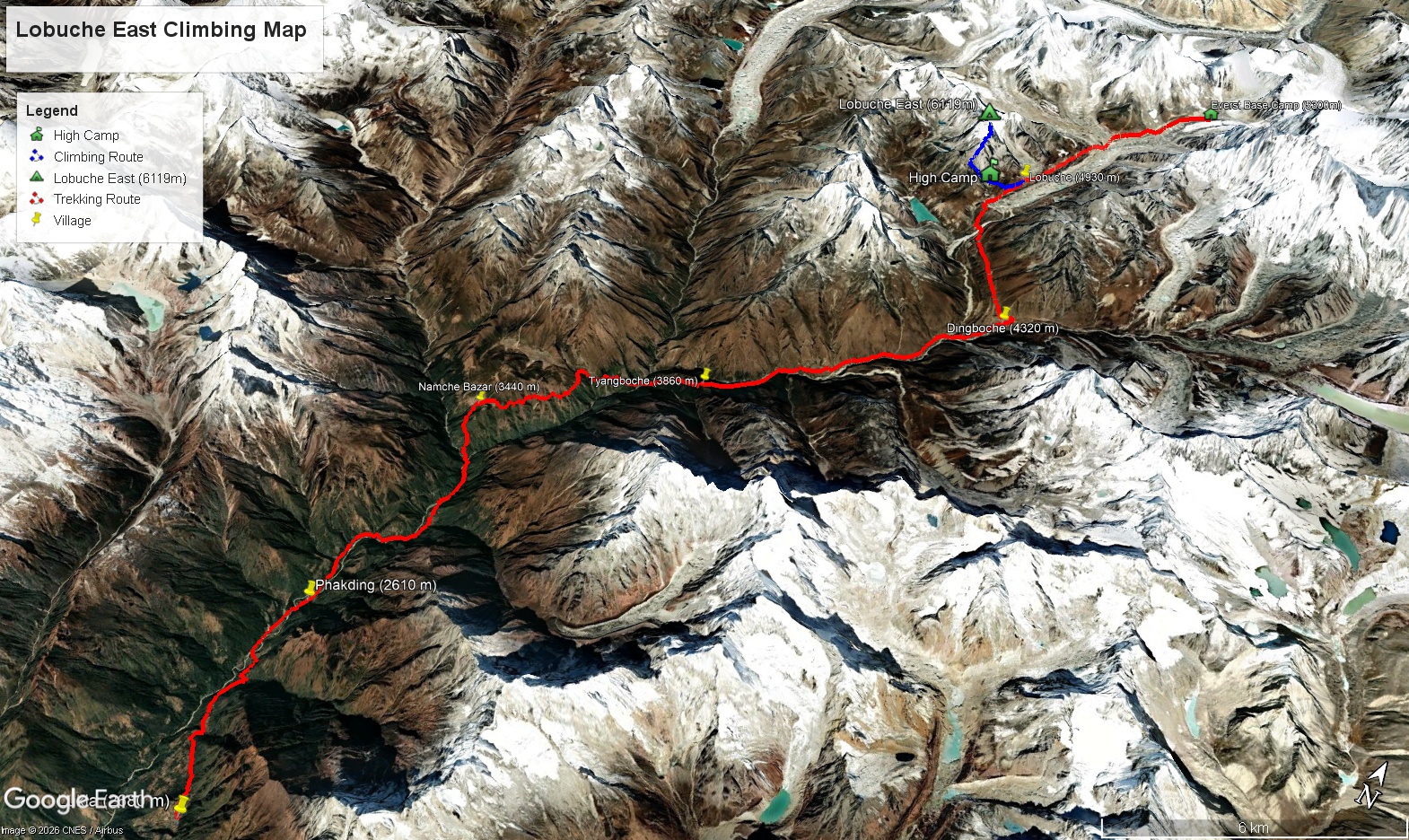
Early morning transfer to the airport for a scenic flight to Lukla, offering breathtaking views of the Himalayan range. Upon arrival, meet the trekking crew and begin the trek through beautiful Sherpa villages, mani walls, and pine forests. A gentle walk along the Dudh Koshi River leads to Phakding. Overnight at a lodge.
Today’s trek follows the Dudh Koshi River, crossing several suspension bridges, including the famous Hillary Suspension Bridge. The trail gradually ascends through forested paths before a steep climb to Namche Bazaar, the main trading hub of the Khumbu region. Enjoy your first clear views of Everest on a good-weather day. Overnight at a lodge.
A vital acclimatization day to allow the body to adjust to altitude. Optional hikes include Everest View Hotel or Khumjung village, offering panoramic views of Everest, Lhotse, Ama Dablam, and Thamserku. The rest of the day is spent resting, hydrating, and exploring Namche Bazaar. Overnight at a lodge.
The trek from Namche Bazaar to Tengboche (3,850m) follows a scenic trail with stunning views of Mount Everest, Lhotse, and Ama Dablam. The path descends to Phunki Tenga, crossing the Dudh Koshi River, before a steady climb through rhododendron and pine forests leads to Tengboche, home to the famous monastery and surrounded by breathtaking Himalayan scenery.
Descending through forests to the Imja Khola, the trail ascends gradually through Pangboche village, one of the oldest settlements in the region. As the landscape becomes more alpine, we arrive at Dingboche, surrounded by towering Himalayan peaks. Overnight at a lodge.
Another crucial acclimatization day. A hike to Nangkartshang Peak offers excellent altitude gain and spectacular views of Makalu, Ama Dablam, Lhotse, and Island Peak. After returning to Dingboche, rest and prepare for higher elevations. Overnight at a lodge.
The trek continues through alpine terrain alongside the Khumbu Glacier. Passing memorials dedicated to climbers who lost their lives on Everest, the trail gradually ascends to Lobuche. Stunning views of Nuptse, Pumori, and Lobuche Peak dominate the landscape. Overnight at a lodge.
A short but challenging trek over glacial moraines leads to Gorakshep, the last settlement before Everest Base Camp. After lunch, rest and acclimatize in preparation for the next day’s hike. Overnight at a lodge.
Early morning hike to Kala Patthar, the best viewpoint for panoramic views of Mount Everest, Nuptse, Pumori, and the Khumbu Glacier. After enjoying sunrise views, descend to Gorakshep for breakfast and trek back to Lobuche. Overnight at a lodge.
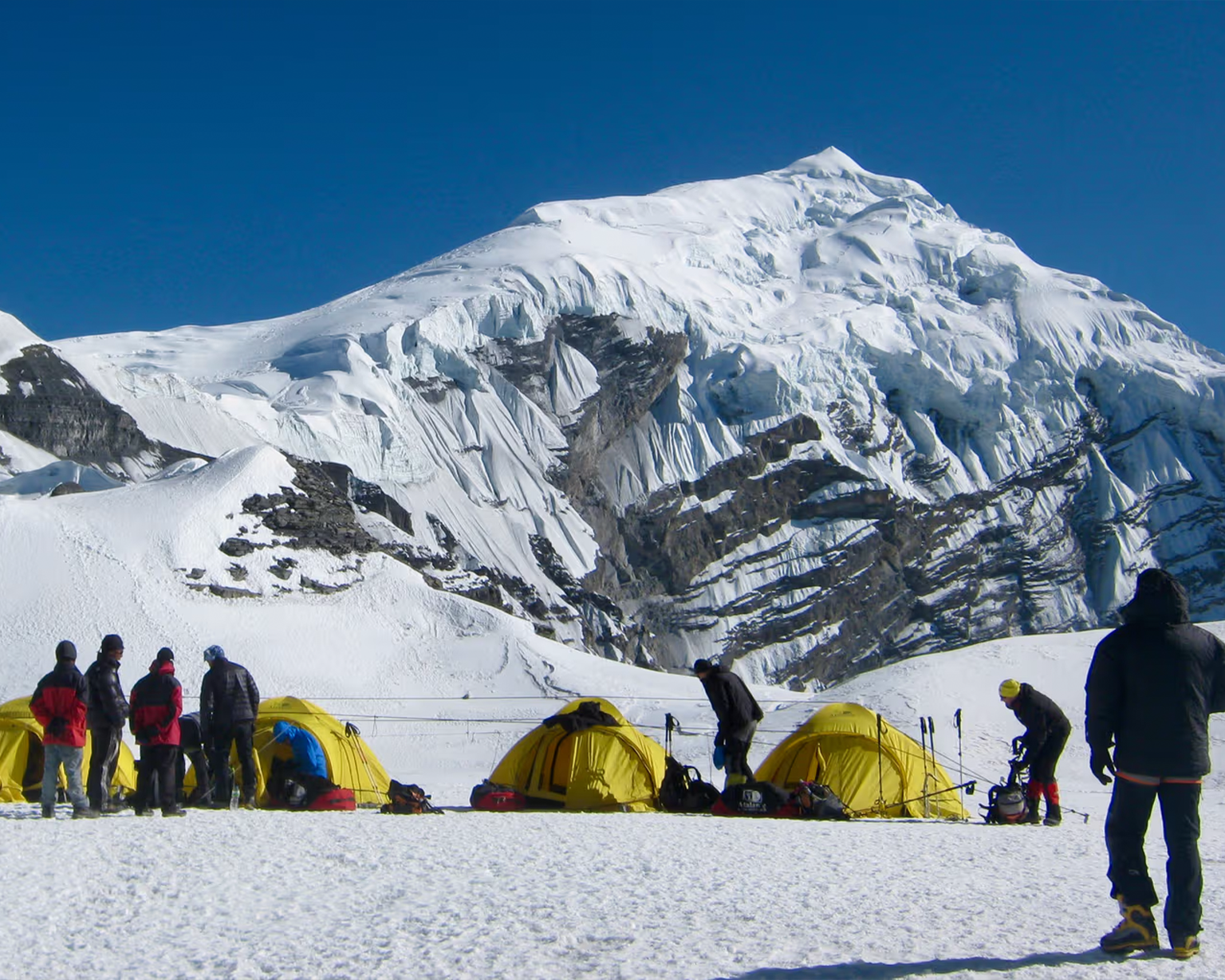
Leaving the main trekking trail, we head toward Lobuche East Base Camp. The trail ascends gradually over rocky and glacial terrain. Upon arrival, the team sets up tents and camp facilities. The remainder of the day is spent resting and preparing for the climb. Overnight at base camp.
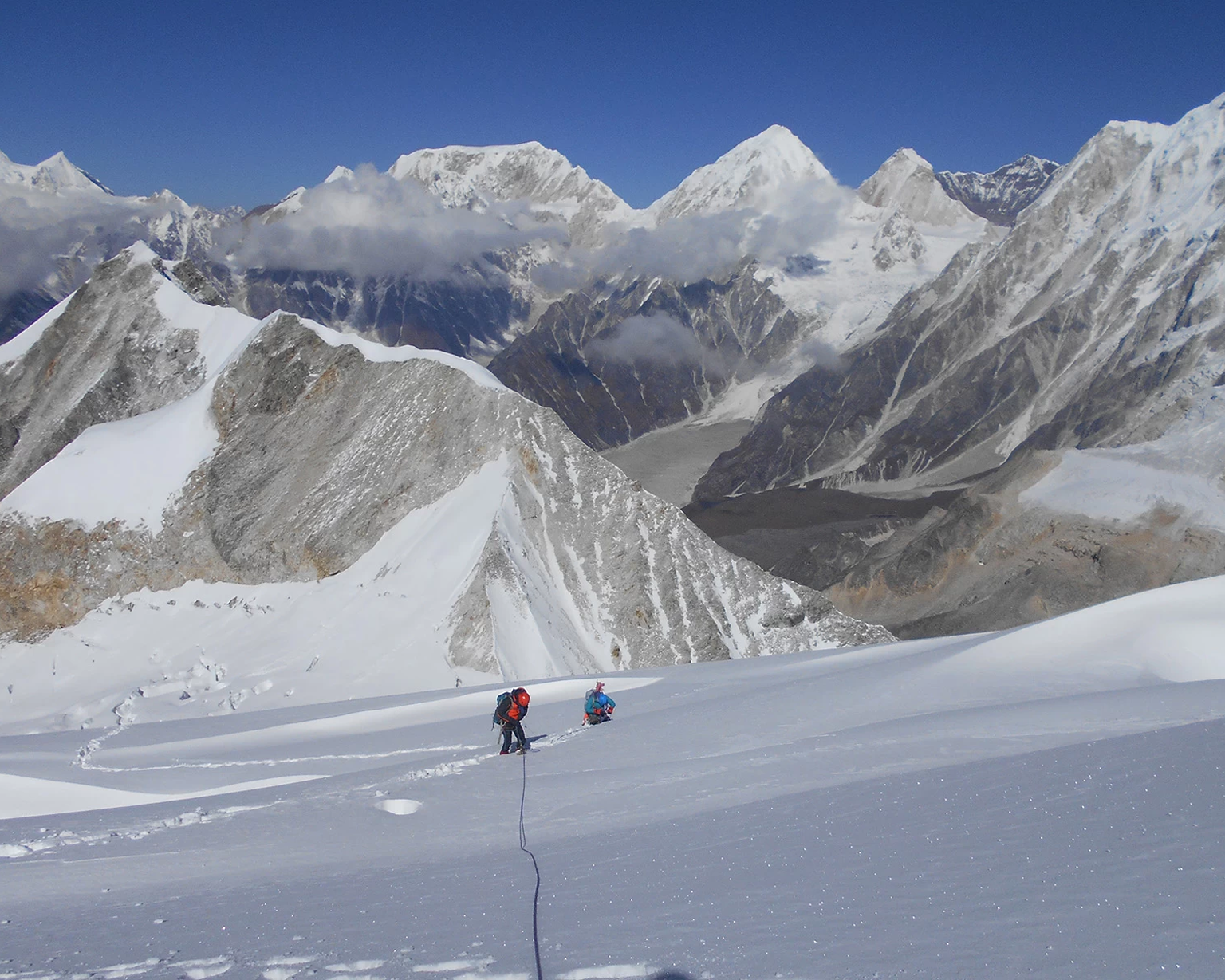
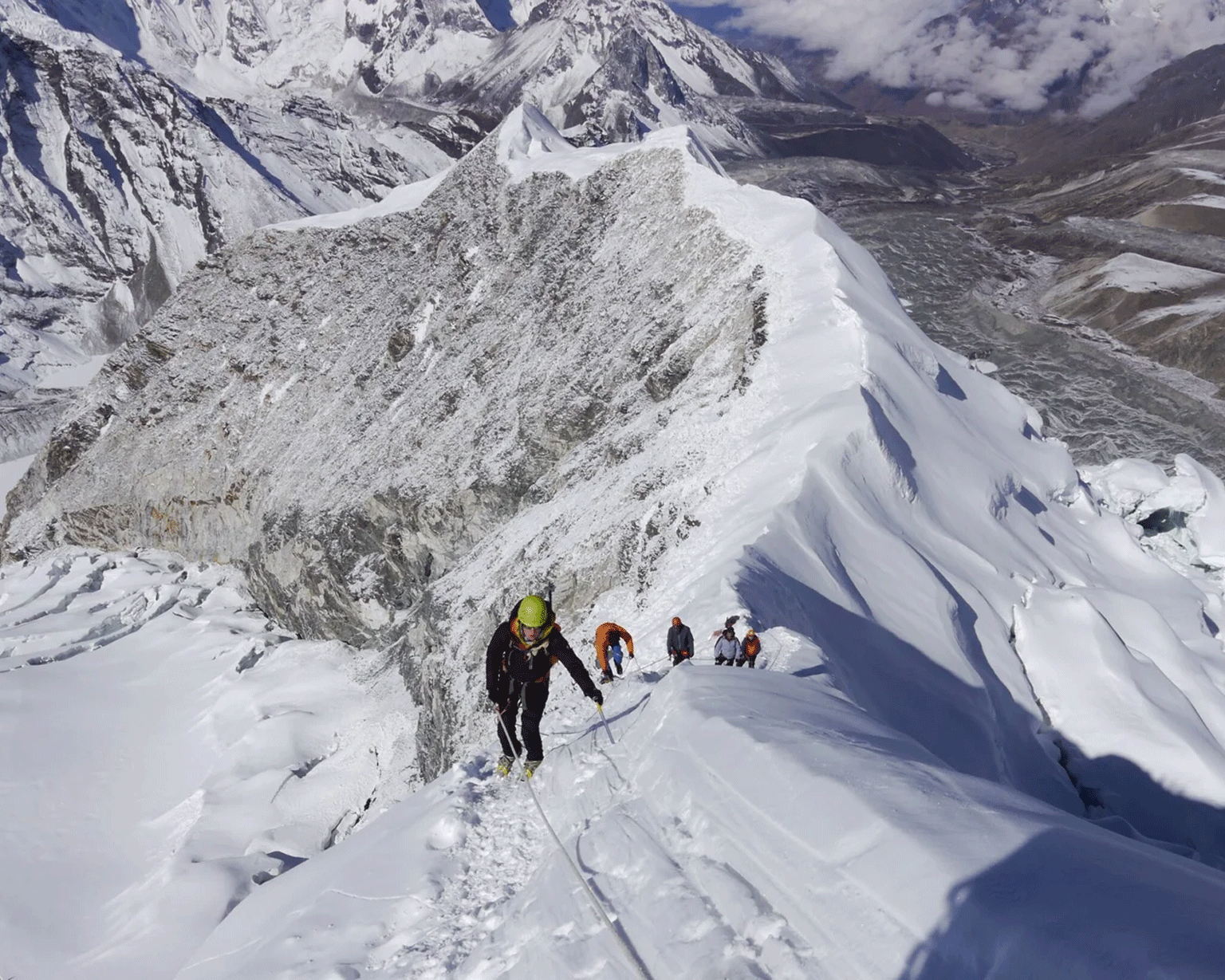
A steep ascent over rocky terrain and snow slopes leads to High Camp. Fixed ropes may be used where necessary. After reaching High Camp, final equipment checks and a pre-summit briefing are conducted. Early dinner and rest in preparation for summit day.
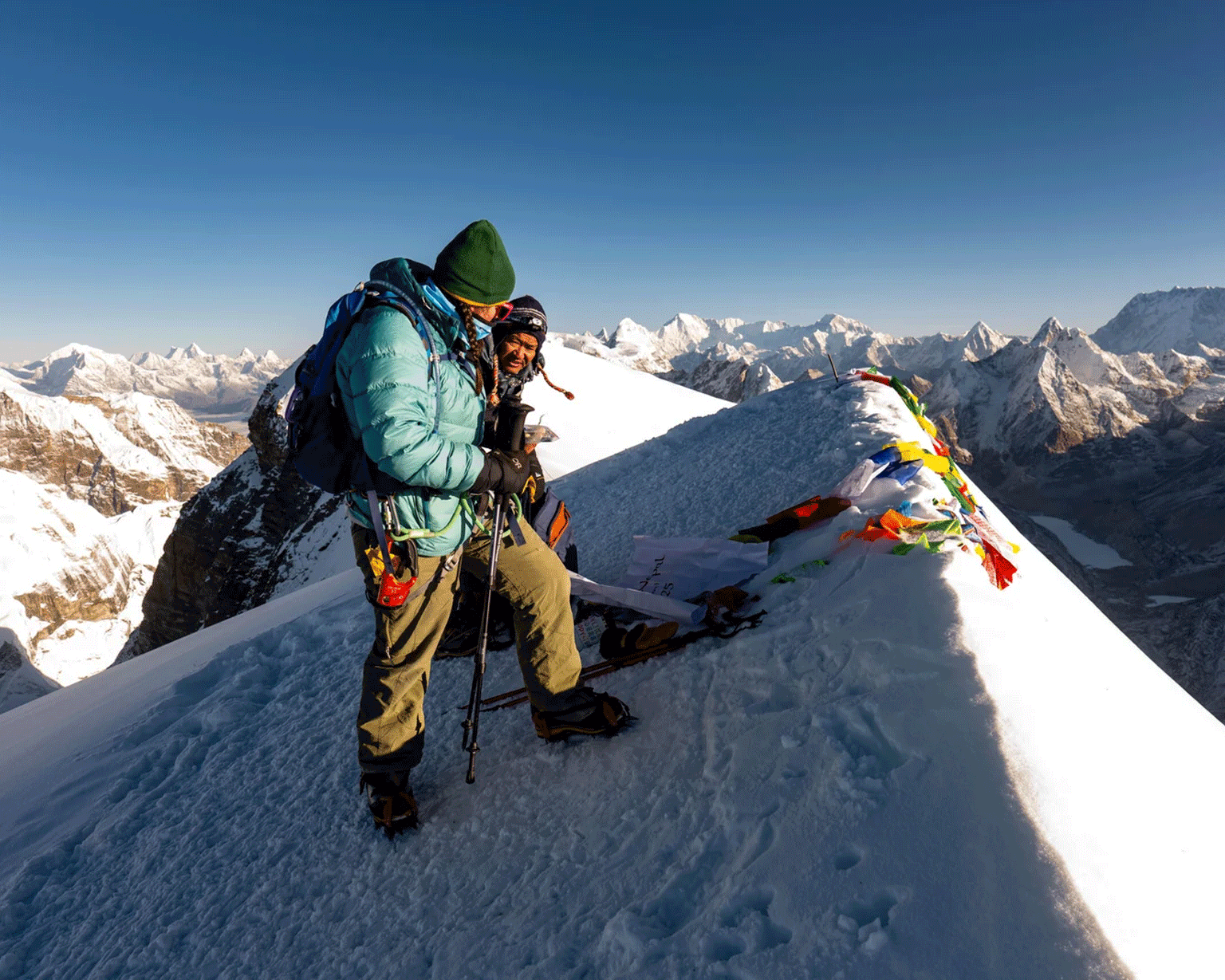
An early alpine start leads toward the summit of Lobuche East Peak. The climb involves snow and ice sections with fixed ropes. From the summit, enjoy breathtaking panoramic views of Everest, Lhotse, Nuptse, Makalu, Ama Dablam, and Pumori. After a successful summit, descend carefully back to Base Camp. Overnight at base camp
After packing up Base Camp, descend back to Dingboche following the familiar trail. The lower altitude brings noticeable relief and a chance to relax after the successful climb. Overnight at a lodge.
Retrace the route through Pangboche and Tengboche, enjoying lush forests and warmer temperatures as we descend. Overnight at a lodge in Namche Bazaar.
The final trekking day follows the Dudh Koshi River back to Lukla. Celebrate the completion of the expedition with the trekking crew. Overnight at a lodge.
Early morning flight back to Kathmandu. Transfer to your hotel and enjoy free time to relax or explore the city. Overnight at a hotel.
A leisure day for sightseeing, shopping, or relaxation. Optional tours include Kathmandu Durbar Square, Swayambhunath, or Pashupatinath. In the evening, enjoy a farewell dinner with the expedition team to celebrate the successful Lobuche East climb.
According to your international flight schedule, you will be transferred to Tribhuvan International Airport for your onward journey. The expedition concludes with unforgettable memories of the Everest region and Lobuche East Peak.
Package details
What's Included
- Airport pick up and drops off.
- Hotel accommodation in Kathmandu.
- Three meals everyday during trekking.
- Room service in tea houses during trekking.
- Peak climbing permit.
- Guide and Porter’s food, accommodation, insurance, equipment etc.
- Domestic flight one way.
- Team gear and equipment
- Garbage charges etc.
What's not Included
- Your international flight ticket
- Travel insurance.
- Hotel and meal in Kathmandu.
- Hot showers charges.
- Extra drinks: as like cold drinks cola, sprite, beer, hot water, and bakery items.
- Local entry fee and donations:- as like school, monastery temples etc.
- Guide and porter tips etc.
Why Choose Lobuche Peak Climbing?
Lobuche East sits at the intersection of the world’s most famous trekking route and genuine high-altitude mountaineering. The approach walks the same ground as Everest expeditions. The summit delivers a view that stops every climber in their tracks. And at 6,119m, it remains within reach of well-prepared trekkers taking their most serious step into the mountains yet.
Unmatched summit panorama
Walk the same trail as Everest expeditions
Kala Patthar included in the itinerary
A genuine technical step up from standard trekking
Two structured acclimatisation days
Deep Sherpa cultural immersion
Higher and more technical than Island Peak
The most complete Khumbu expedition
Book Now
Our experienced guides and expedition team are ready to plan your Lobuche Peak adventure. Fill out the form and we’ll get back to you within 24 hours with a tailored proposal.
How Difficult Is Lobuche Peak Climbing?
Moderate to Strenuous
Lobuche East is a serious mountain. It sits higher than Island Peak, demands more technical competence on the upper slopes, and puts you on glacier terrain at an altitude where the body is already under real stress. It is the right objective for trekkers who have outgrown introductory peaks and are ready for a genuine high-altitude challenge.
- 5–7 hours of trekking per day across Khumbu terrain including glacial moraine sections
- Glacier travel, fixed rope ascending, and confident crampon and ice axe use required
- Steeper and more technical upper mountain than Island Peak
- Two structured acclimatisation days plus Kala Patthar hike provide excellent altitude preparation
- Previous high-altitude trekking experience strongly recommended
Effort breakdown
Based on our guides’ experience
Best Time for Lobuche Peak Climbing
The Khumbu region offers two reliable climbing windows each year. Both are excellent; the choice comes down to your schedule and whether you prefer the energy of spring or the clarity of autumn.
Recommended seasons
Spring (March – May)
Stable weather, excellent visibility, the most popular season in the Khumbu trails and lodges are lively, and summit conditions are reliable
Crystal clear skies after monsoon, dry trails, outstanding summit visibility October delivers the best conditions of the year
Seasons to avoid
Monsoon (June – Aug)
Heavy rainfall, poor visibility, and unstable snow conditions on the upper mountain make both the trek and the climb significantly more difficult
Winter (Dec – Feb)
Extreme cold, heavy snowfall at altitude, and very short daylight hours make summit attempts on Lobuche East considerably more dangerous and demanding
Who Can Climb Lobuche Peak?
Lobuche East is best suited to trekkers who have already spent meaningful time at altitude and want to push into more serious technical terrain. Prior Khumbu experience is a genuine advantage those who have done Everest Base Camp or Island Peak arrive with both the altitude familiarity and the trail knowledge that makes a real difference at 6,000m.
Requirements
- Good to excellent physical fitness and cardiovascular endurance
- Previous trekking experience above 4,500m strongly recommended
- Everest Base Camp or Island Peak experience is ideal preparation
- Basic mountaineering knowledge or willingness to learn thoroughly on the approach
Training Includes
- Crampon fitting and glacier travel techniques
- Fixed rope and jumar technique
- Steep snow slope movement and rope team coordination
- High-altitude breathing and pacing strategies
Lobuche Peak Climbing FAQs
Everything you need to know before booking your expedition.
The standard Lobuche East expedition runs 20 days from Kathmandu and back. This includes the flight to Lukla, the Khumbu trek through Namche Bazaar, Tengboche, Dingboche, and Lobuche, two dedicated acclimatisation days, a sunrise hike to Kala Patthar, the base camp and high camp progression, summit day, and the full return trek to Lukla for the flight back to Kathmandu. A rest day in Kathmandu is also included before final departure. The 20-day itinerary is deliberately well-paced. Lobuche East rewards climbers who arrive at the summit fully acclimatised and physically fresh, and the longer schedule is a direct contributor to the strong success rates on this expedition.
Lobuche East is a more technically demanding peak than Island Peak and carries greater inherent risk due to its higher altitude, steeper glacier terrain, and more complex upper mountain conditions. The primary hazards are altitude sickness, crevasse exposure on the glacier approach, steep snow and ice sections on the upper mountain, and rapidly changing Khumbu weather. All risks are well-managed with experienced, government-licensed guides who implement strict acclimatisation protocols, conduct daily health monitoring with pulse oximeter checks, and carry comprehensive emergency equipment. The Khumbu region has relatively good helicopter rescue access compared to more remote areas of Nepal, but helicopter rescue insurance remains strongly recommended for all Lobuche East climbers.
Prior high-altitude trekking experience is strongly recommended for Lobuche East, and prior summit experience on a lower trekking peak such as Island Peak or Mera Peak is a genuine advantage. The peak is more technically demanding than introductory options and the altitude of 6,119m puts real physiological stress on the body that first-time altitude trekkers may struggle to manage alongside the technical demands of the climb. Technical skills including crampon use, ice axe technique, and fixed rope ascending will be thoroughly taught by your climbing guide during the training session at base camp, but climbers who arrive with some prior exposure to this terrain perform significantly better on summit day.
The summit success rate for Lobuche East Peak is approximately 65–75% for well-prepared climbers who follow the recommended acclimatisation schedule. It is lower than Island Peak due to the higher technical demands, greater altitude, and more complex glacier terrain on the upper mountain. Spring and autumn both deliver strong success rates, with spring offering slightly more predictable weather windows. The most common reasons for unsuccessful attempts are inadequate physical preparation, insufficient acclimatisation, particularly skipping or shortening the Dingboche rest day and underestimating the technical demands of the final push from high camp at 5,400m to the summit at 6,119m.
Temperatures across this expedition’s altitude range vary considerably. At Namche Bazaar (3,440m) in autumn, daytime temperatures are pleasant at 10°C to 15°C with nights dropping to -2°C to -5°C. At Dingboche (4,410m), overnight temperatures fall to -8°C to -12°C. At Lobuche village (4,910m), nights drop to -10°C to -15°C. At high camp (5,400m), temperatures regularly fall to -15°C to -20°C. On summit day at 6,119m, wind chill on the exposed upper glacier can push perceived temperatures below -25°C to -30°C. The Khumbu region is particularly exposed to strong westerly winds in the pre-monsoon period. A four-season sleeping bag rated to -20°C, high-quality down suit, insulated overmitts, balaclava, and glacier goggles are all essential for a safe and comfortable expedition.
Three permits are required for the Lobuche East expedition. First, the Lobuche East Peak climbing permit issued by the Nepal Mountaineering Association (NMA). Second, the Sagarmatha National Park entry permit, as the entire trekking and climbing route passes through this UNESCO World Heritage protected area. Third, a Khumbu Pasang Lhamu Rural Municipality entry fee is required for trekkers in the Khumbu region. A TIMS card is also needed for the trekking section. All permit arrangements are handled by your trekking agency as part of the expedition package no individual applications are required on your part before or during the trip.
Essential technical gear for Lobuche East includes mountaineering boots compatible with step-in crampons, crampons, ice axe, climbing harness, helmet, jumar ascender, carabiners, and a belay device for the fixed rope sections on the upper mountain. For clothing, a high-quality down suit or equivalent four-season layering system is essential given the altitude and exposed glacier terrain. Insulated gloves and overmitts, a balaclava, glacier goggles, and high-SPF sunscreen for glacier reflection are all required. A four-season sleeping bag rated to -20°C is essential for high camp nights. Most agencies supply shared technical equipment including fixed ropes and anchor gear. A reliable headlamp with spare batteries is critical for the pre-dawn summit start, and a well-fitted daypack that carries all summit day essentials comfortably is equally important.
The standard route begins with a flight from Kathmandu to Lukla, followed by the classic Khumbu trek through Phakding, Namche Bazaar, Tengboche, Dingboche, and Lobuche to base camp at 5,000m. A detour to Gorakshep and Kala Patthar is included before the climbing phase begins. From base camp, the route ascends to high camp at 5,400m before the summit push. The final section involves ascending steep rocky and snow terrain, traversing glaciated slopes, and climbing fixed ropes to reach the summit ridge at 6,119m. The descent follows the same route back through base camp and the Khumbu Valley to Lukla. The route requires confident crampon technique and fixed rope skills and should not be attempted without a certified, experienced guide.
Lobuche East and Island Peak are the two most popular technical trekking peaks in the Khumbu region, and the comparison is one of the most common questions from climbers planning their first serious Himalayan summit. Lobuche East sits higher at 6,119m versus Island Peak’s 6,189m so Island Peak is actually slightly higher, but Lobuche East is widely considered the more technically demanding of the two due to its steeper glacier approach, more complex upper mountain terrain, and the greater overall physical demands of the 20-day itinerary. Island Peak is generally recommended as a first trekking peak summit, while Lobuche East is a natural and logical progression for climbers who have already summited Island Peak or completed a comparable high-altitude objective and are ready for a more serious challenge.
Training for Lobuche East should begin at least 3–4 months before departure with a focus on both cardiovascular endurance and technical readiness. Running, cycling, swimming, and stair climbing with a weighted pack will build the aerobic base needed for sustained days at altitude in the Khumbu. Leg and core strength training is important for performance on the steep upper mountain sections and the long descent days back through the valley. If possible, complete a high-altitude trek above 4,500m or a lower trekking peak summit before this expedition climbers who arrive with real altitude experience consistently perform better on summit day. Pay particular attention to building multi-day expedition endurance, as 20 days of sustained physical effort at progressively higher altitude tests the body in ways that short training sessions cannot fully replicate. No specific technical climbing training is required beforehand as all skills are taught at base camp, but arriving physically strong and mentally prepared gives you the best possible foundation for one of the most rewarding summit experiences available in the Nepal Himalaya.