

Altitude
6189m

Co-ordinates
27° 55' 21" N, 86° 56' 10" E

Duration
18 Days

Best Season
Spring and Autumn

Activity
Peak Climbing

Trip Grade
Moderate to Difficult
Island Peak Climbing
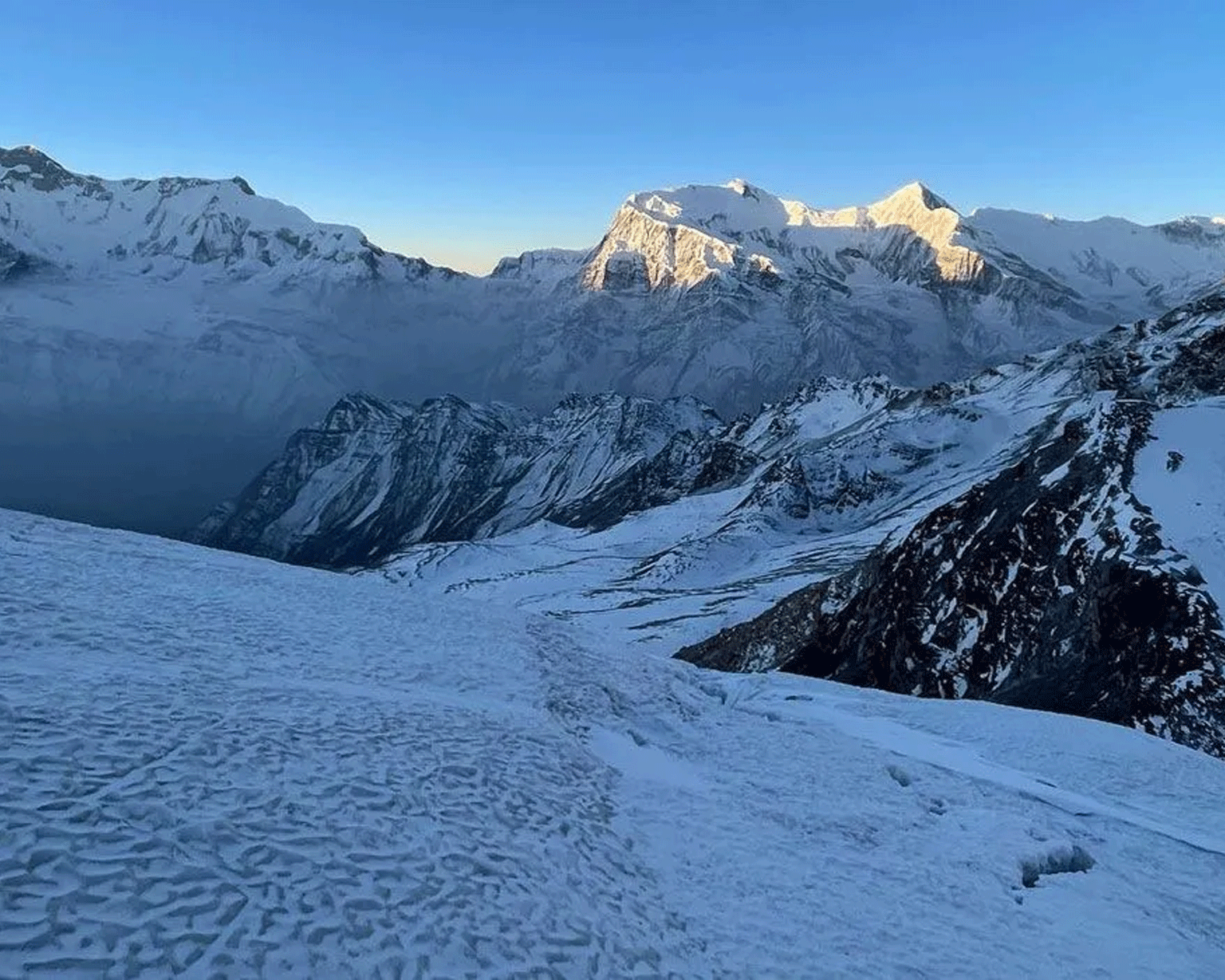
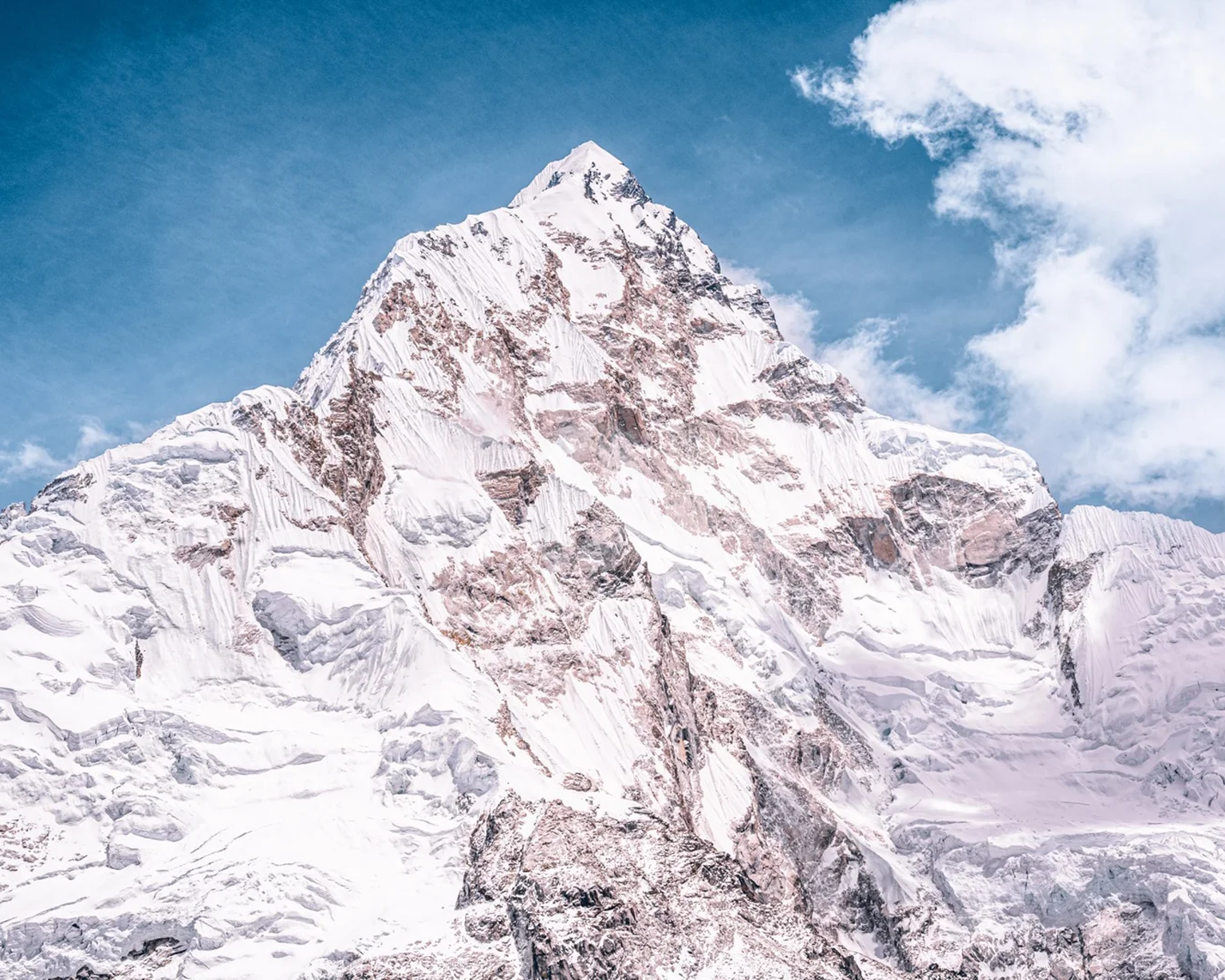
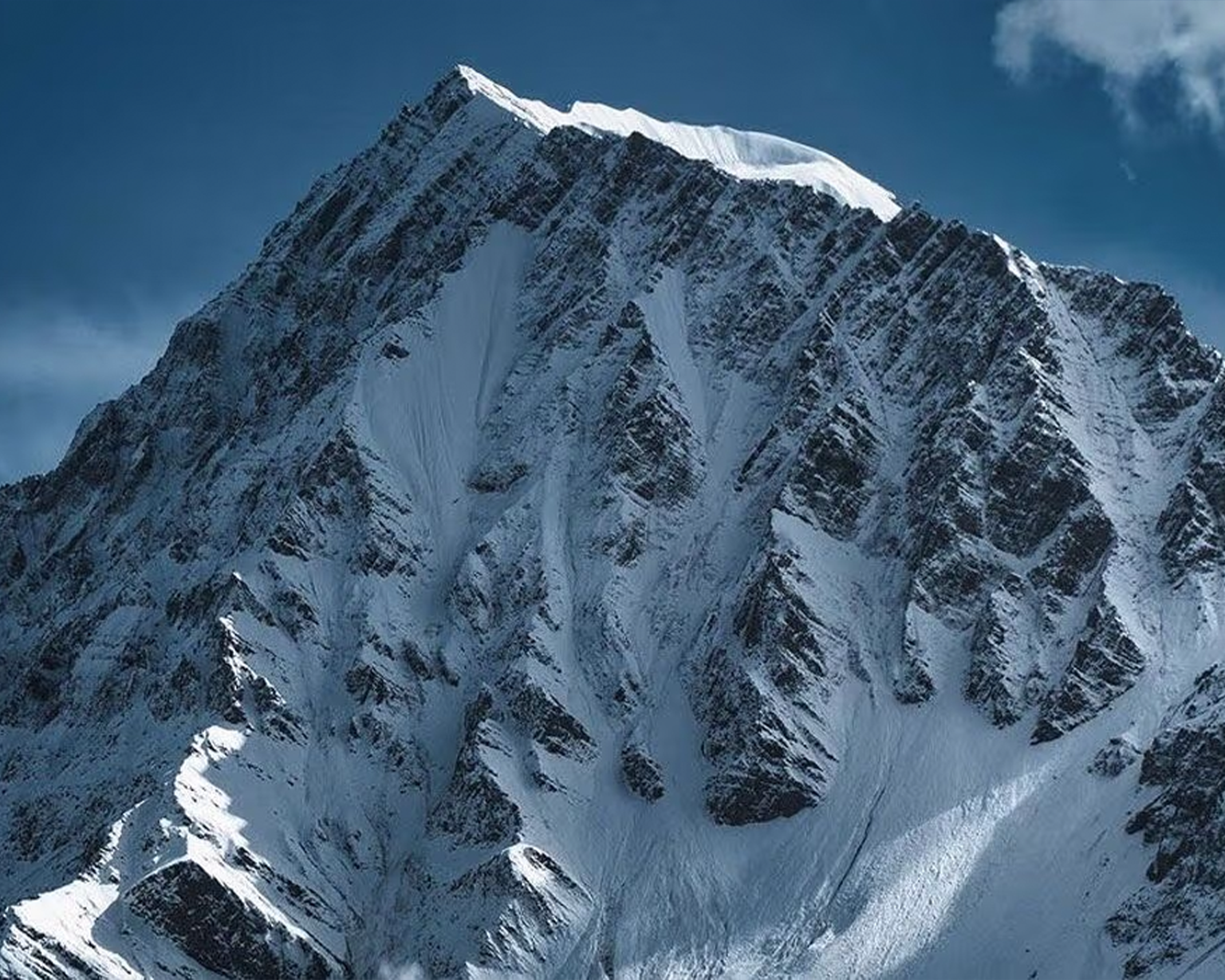
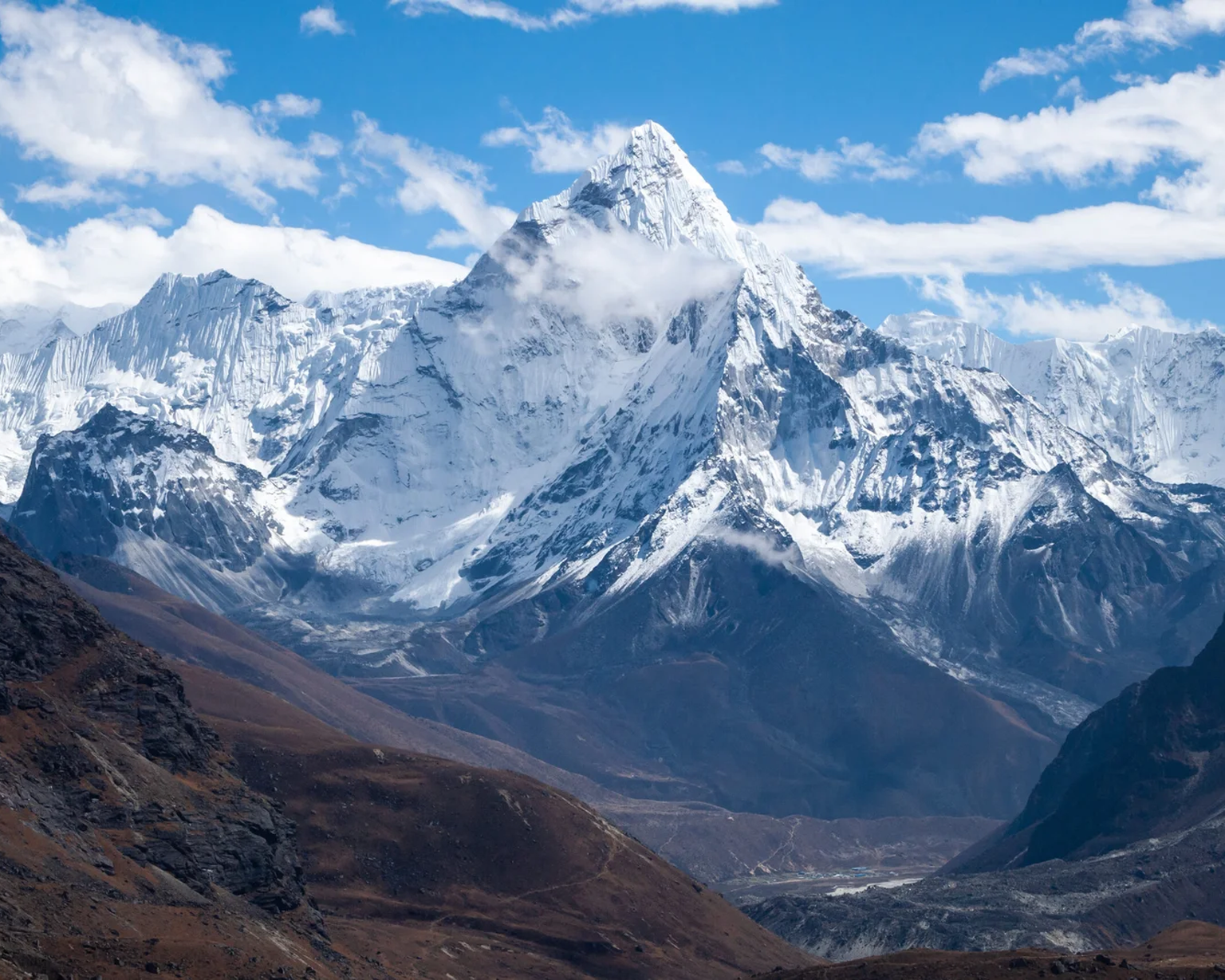
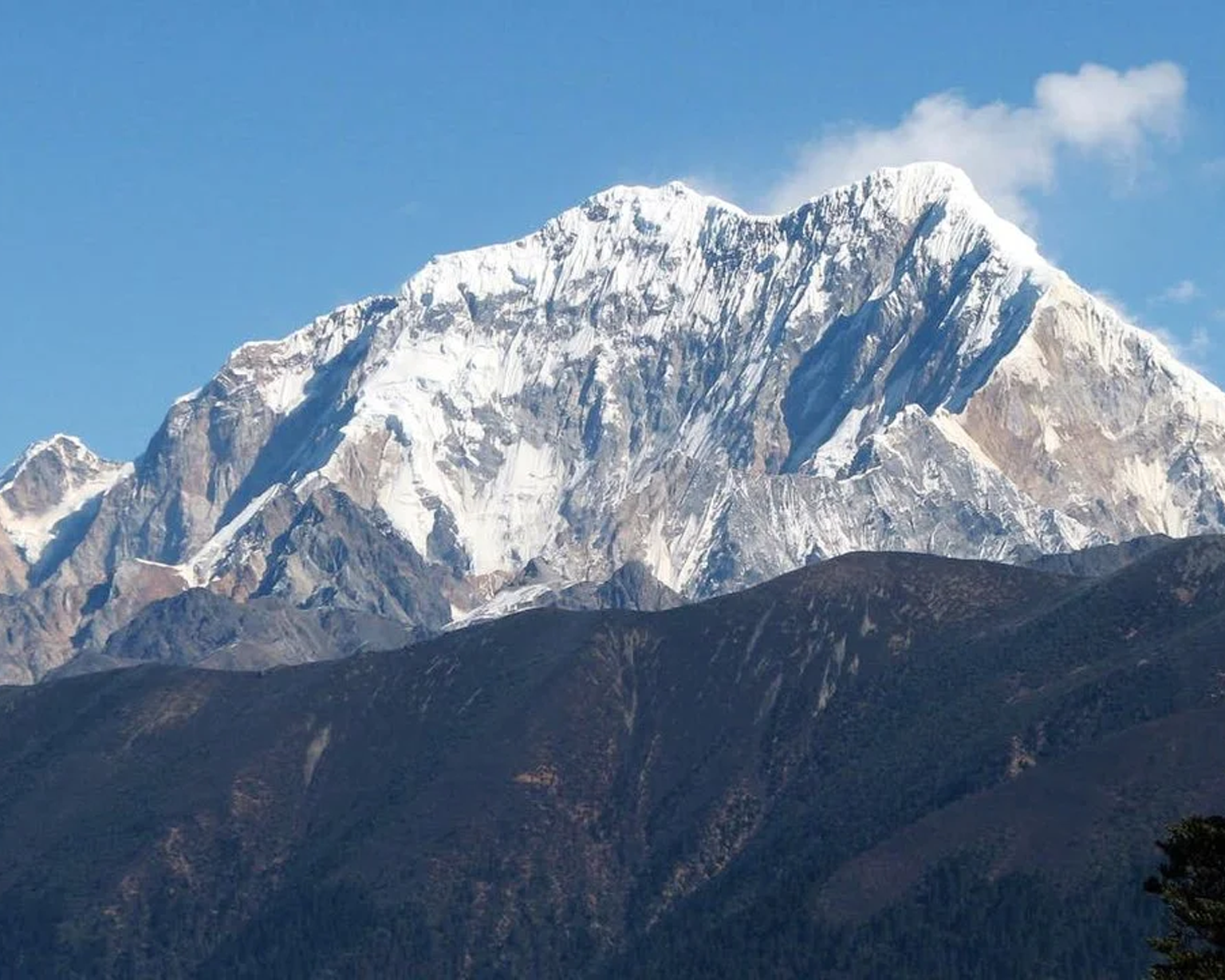
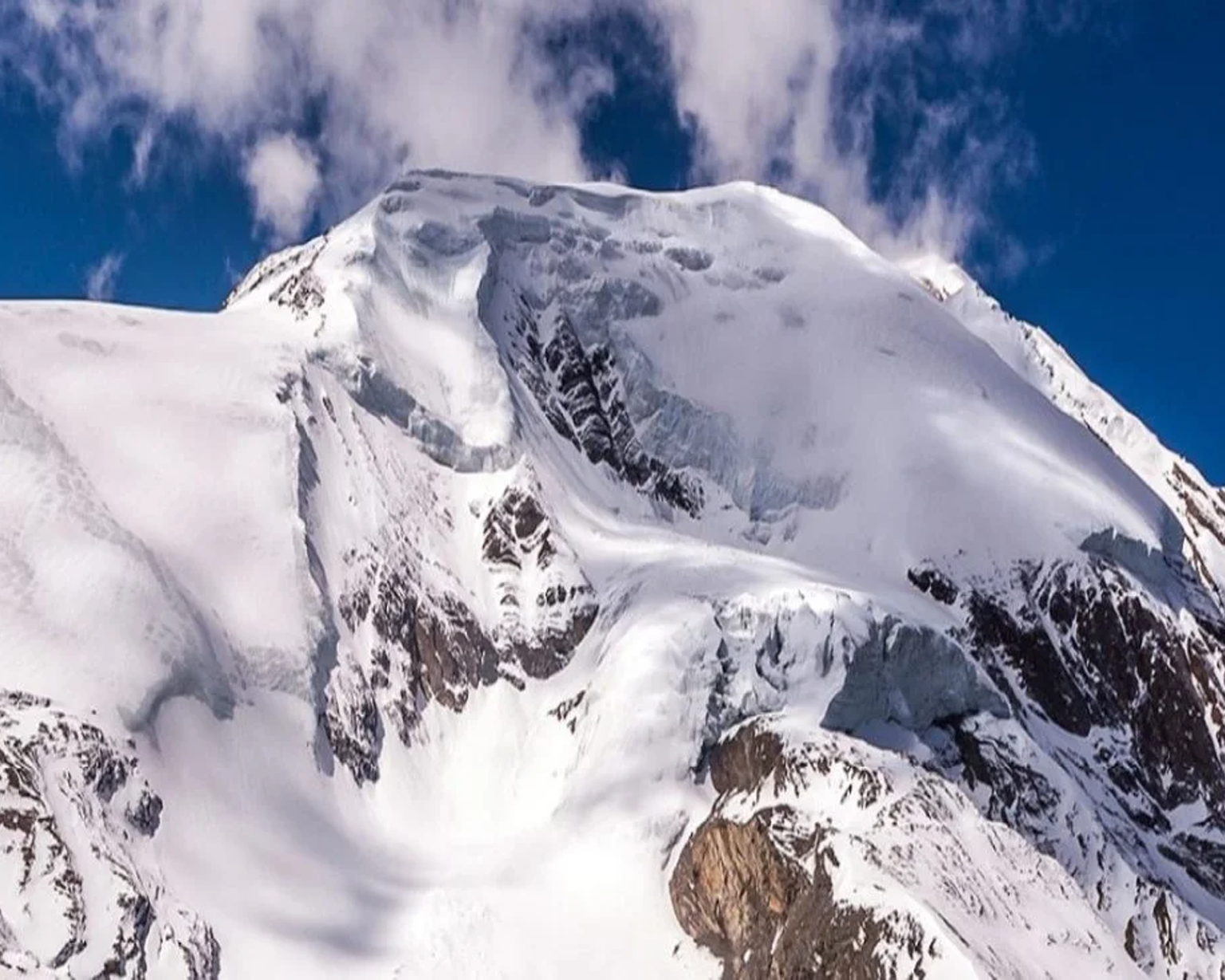
Rising to 6,189 metres, Island Peak earns its name as it rises from the glacial valley floor like an island surrounded by ice. Located in the Chhukung Valley of the Everest region, it offers a genuine Himalayan climb without pushing into the extreme technical territory reserved for seasoned alpinists.
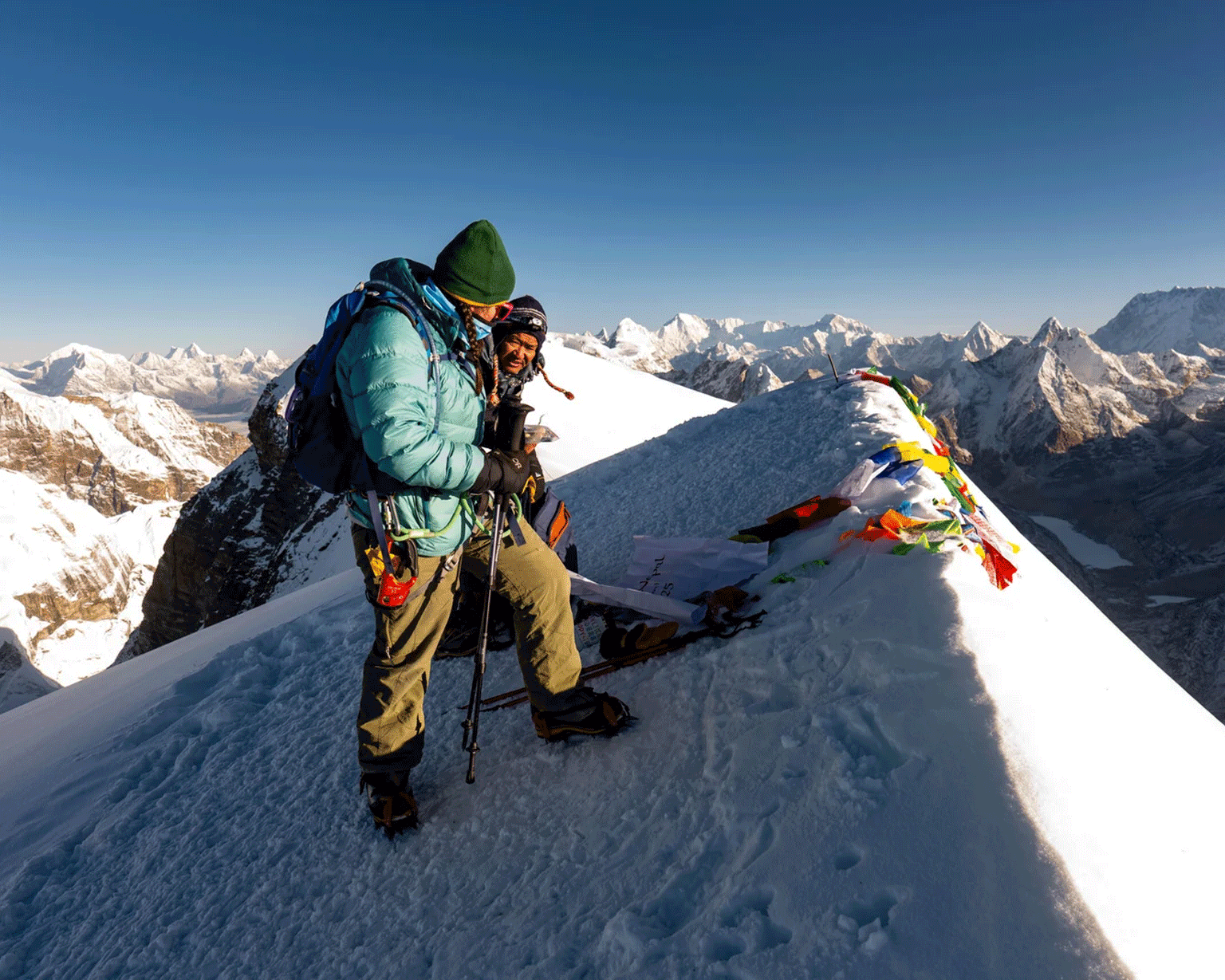
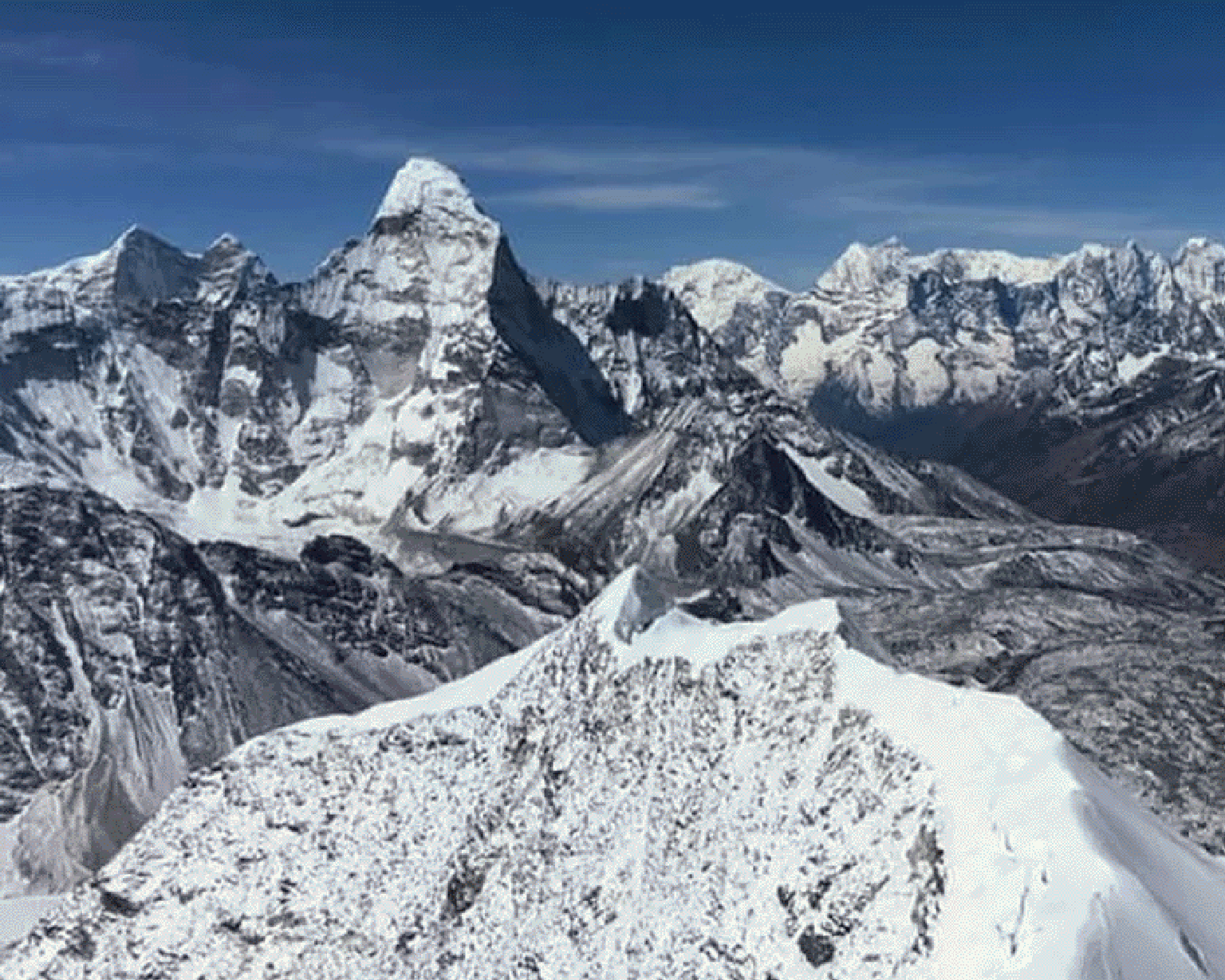
The summit is the moment. Ama Dablam, Lhotse, Nuptse, Makalu, and the sweeping Khumbu peaks fill every direction. A view that stops you mid-breath, long before the cold does.
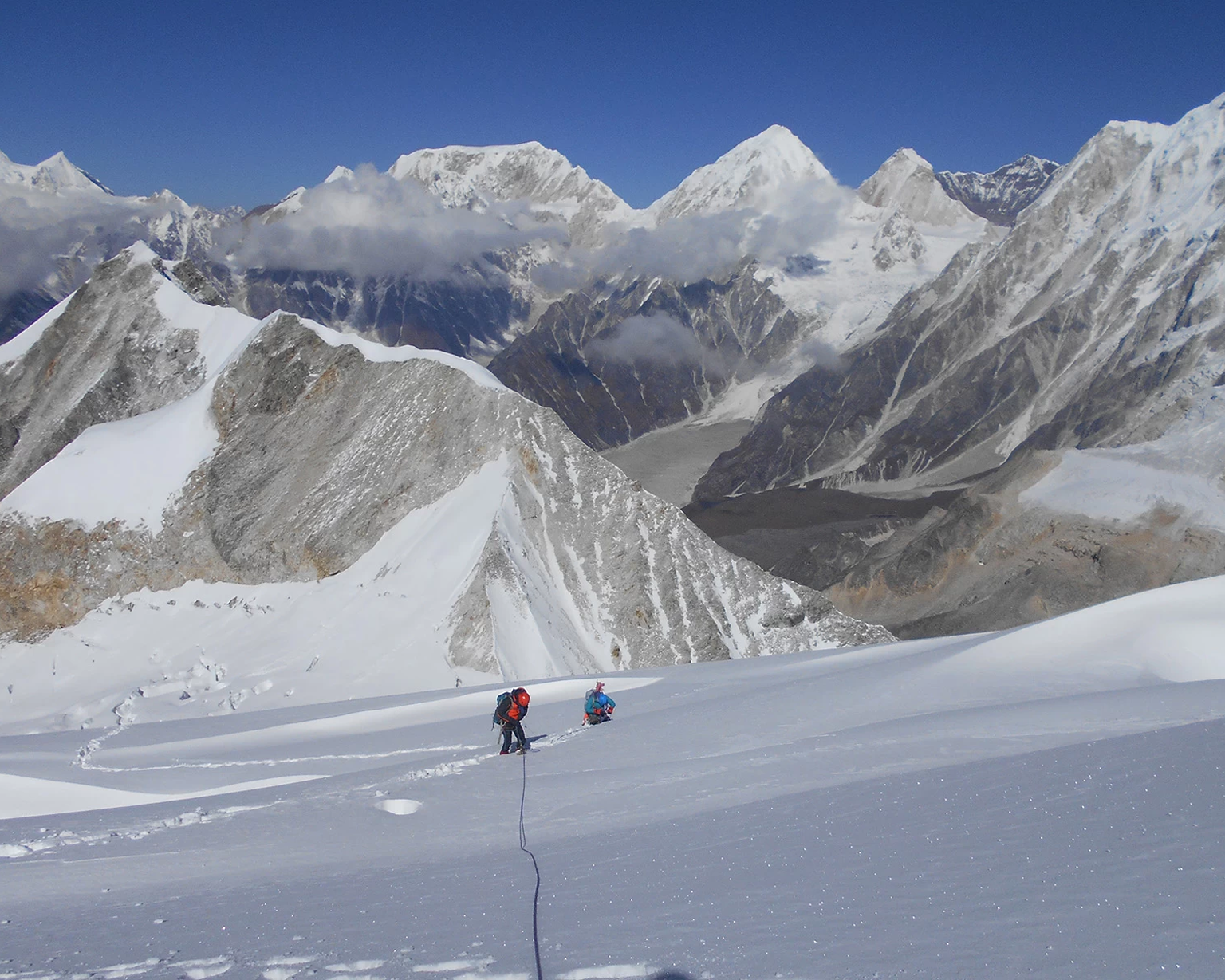
Getting there threads through Sherpa villages, high moraines, and glacier terrain before the final ridge demands crampons, fixed ropes, and a steady nerve. For trekkers ready to cross the line from walking to climbing, Island Peak is where that journey begins.
Upon arrival at Tribhuvan International Airport (TIA), complete Nepal entry visa formalities at the immigration counter. Our representative will warmly welcome you in the arrivals hall and transfer you to your hotel in Kathmandu. After check-in, rest and recover from your international journey. In the evening, a short briefing about the expedition program may be conducted.
This day is reserved for final preparation and administrative arrangements. Our team completes all necessary climbing permits and national park paperwork. A thorough equipment check is carried out to ensure all personal and technical climbing gear meets required safety standards. You will meet the expedition leader for a detailed briefing covering the trekking route, climbing plan, acclimatization strategy, and safety procedures.
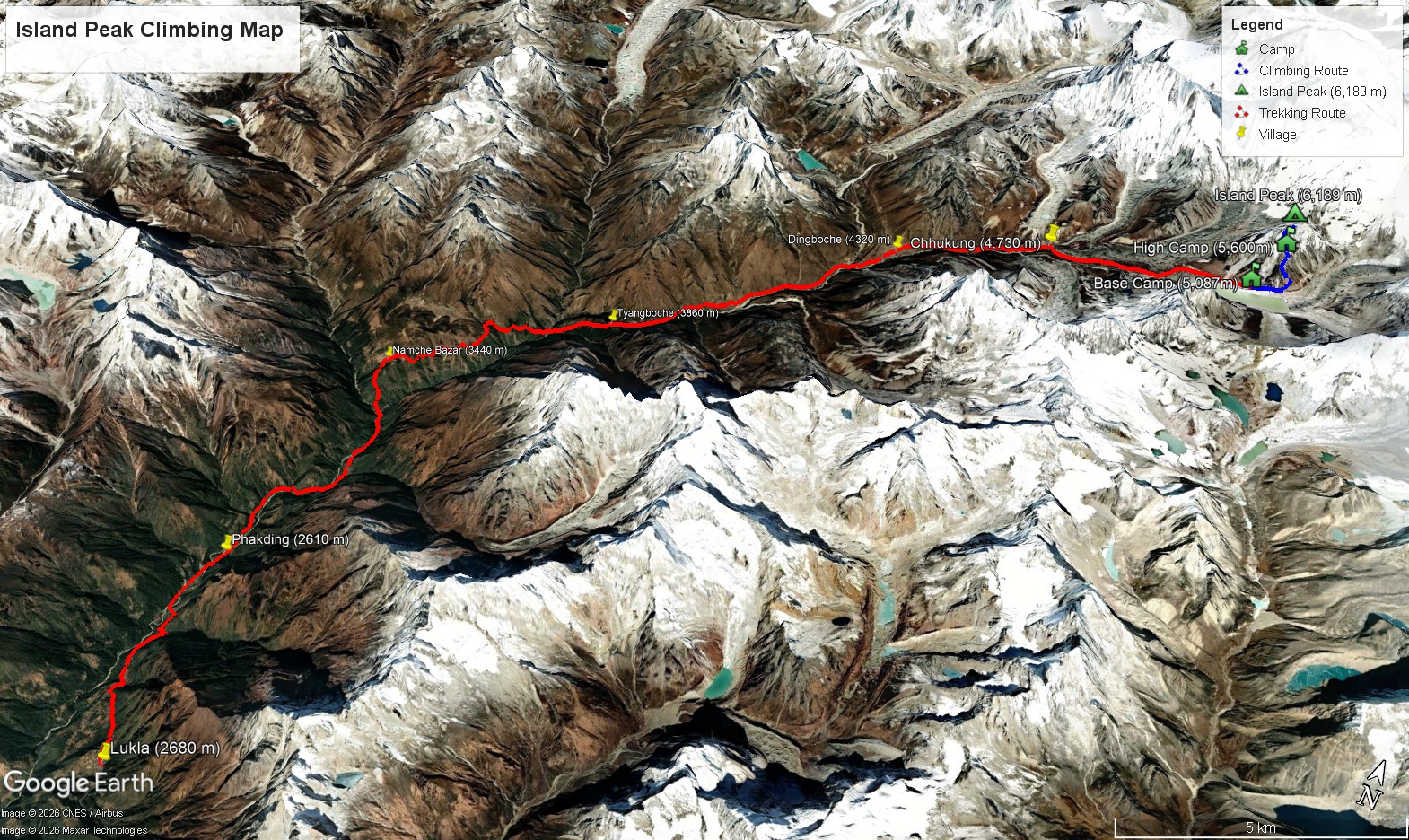
An early morning transfer to Kathmandu airport for a scenic flight to Lukla, offering spectacular views of the Himalayan ranges. After landing at Tenzing-Hillary Airport, meet the trekking crew and begin the trek along the Dudh Koshi River. Passing through small Sherpa villages and mani walls, we reach Phakding. Overnight at a lodge.
The trail follows the Dudh Koshi River, crossing several suspension bridges, including the famous Hillary Bridge. Enter Sagarmatha National Park at Monjo, followed by a steady uphill climb to Namche Bazaar, the commercial and cultural hub of the Khumbu region. Overnight at a lodge.
A crucial acclimatization day to adapt to the increasing altitude. Optional hikes include the Everest View Hotel or surrounding ridges, offering panoramic views of Everest, Lhotse, Ama Dablam, and Thamserku. The remainder of the day is spent resting, hydrating, and exploring Namche Bazaar.
The trail contours high above the Dudh Koshi River, offering stunning views of Everest, Nuptse, and Ama Dablam. Descend through rhododendron forests to Phunki Tenga before a gradual ascent to Tengboche. Visit the famous Tengboche Monastery, the spiritual center of the Khumbu region. Overnight at a lodge.
The trek continues through alpine landscapes, crossing the Imja Khola and passing traditional Sherpa settlements such as Pangboche. The vegetation becomes sparse as we gain altitude. Dingboche is set in a broad valley with impressive views of Ama Dablam and surrounding peaks. Overnight at a lodge.
Another important acclimatization day. Optional hikes include Nangkartshang Peak or nearby ridges for altitude gain and stunning mountain views. The rest of the day is dedicated to rest, hydration, and preparation for higher elevations.
A short and gradual trek along the Imja Valley with magnificent views of Lhotse, Island Peak, and Ama Dablam. Chhukhung is a small settlement and an important staging point for Island Peak climbers. Overnight at a lodge.
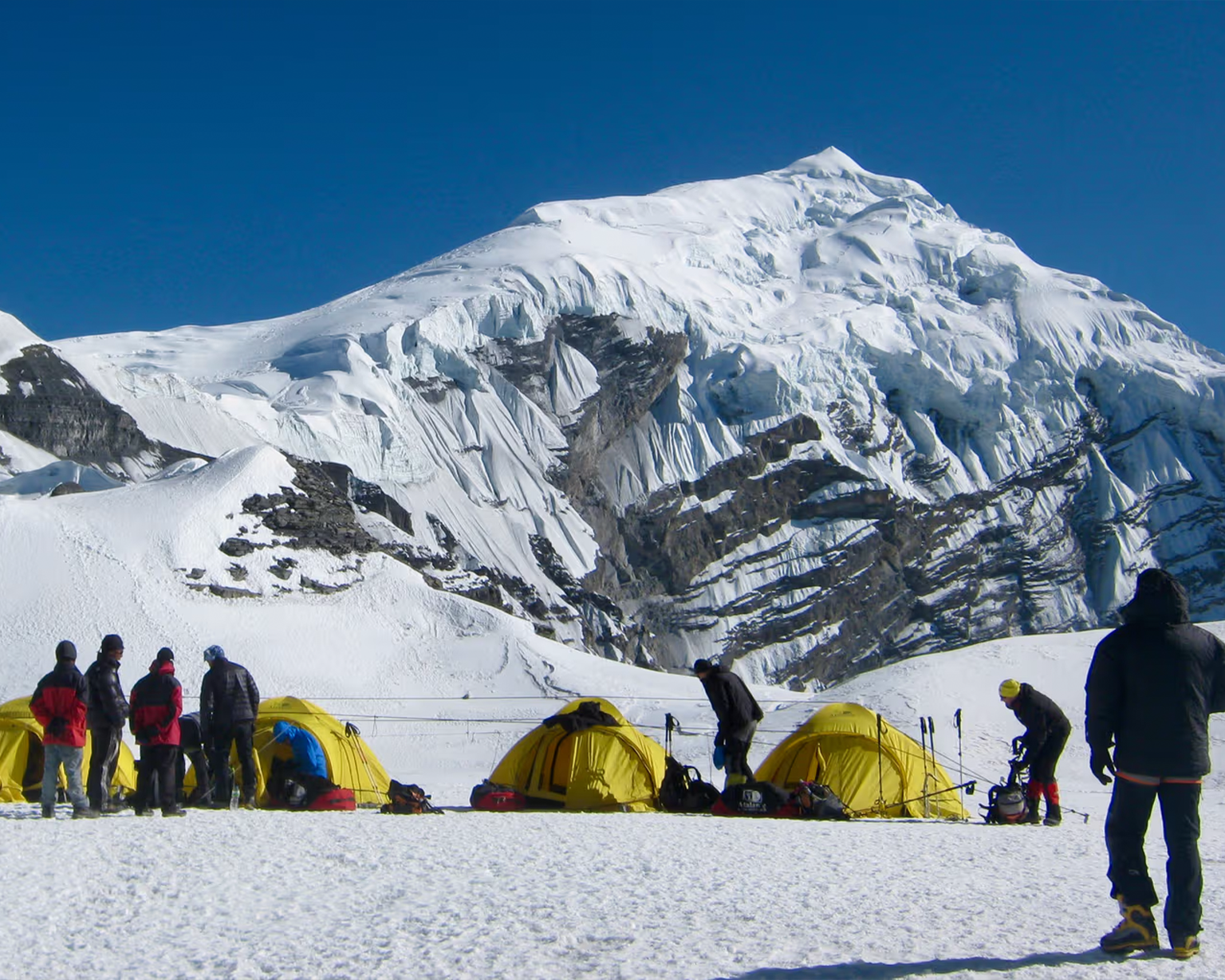
The trail ascends gradually along glacial moraines toward Island Peak Base Camp. Upon arrival, the team sets up camp with tents and kitchen facilities. The remainder of the day is spent resting, hydrating, and organizing climbing equipment. Overnight at base camp.
This day is dedicated to acclimatization and technical training. The climbing guide provides hands-on instruction on glacier travel, crampon techniques, ice axe use, harnesses, and fixed rope systems. Practice sessions on nearby slopes help ensure confidence and readiness for summit day.
A short but demanding ascent leads to High Camp. The route follows rocky terrain and snow sections. Upon arrival, climbers rest, hydrate, and make final preparations for the summit push. Early dinner and overnight rest in tents.
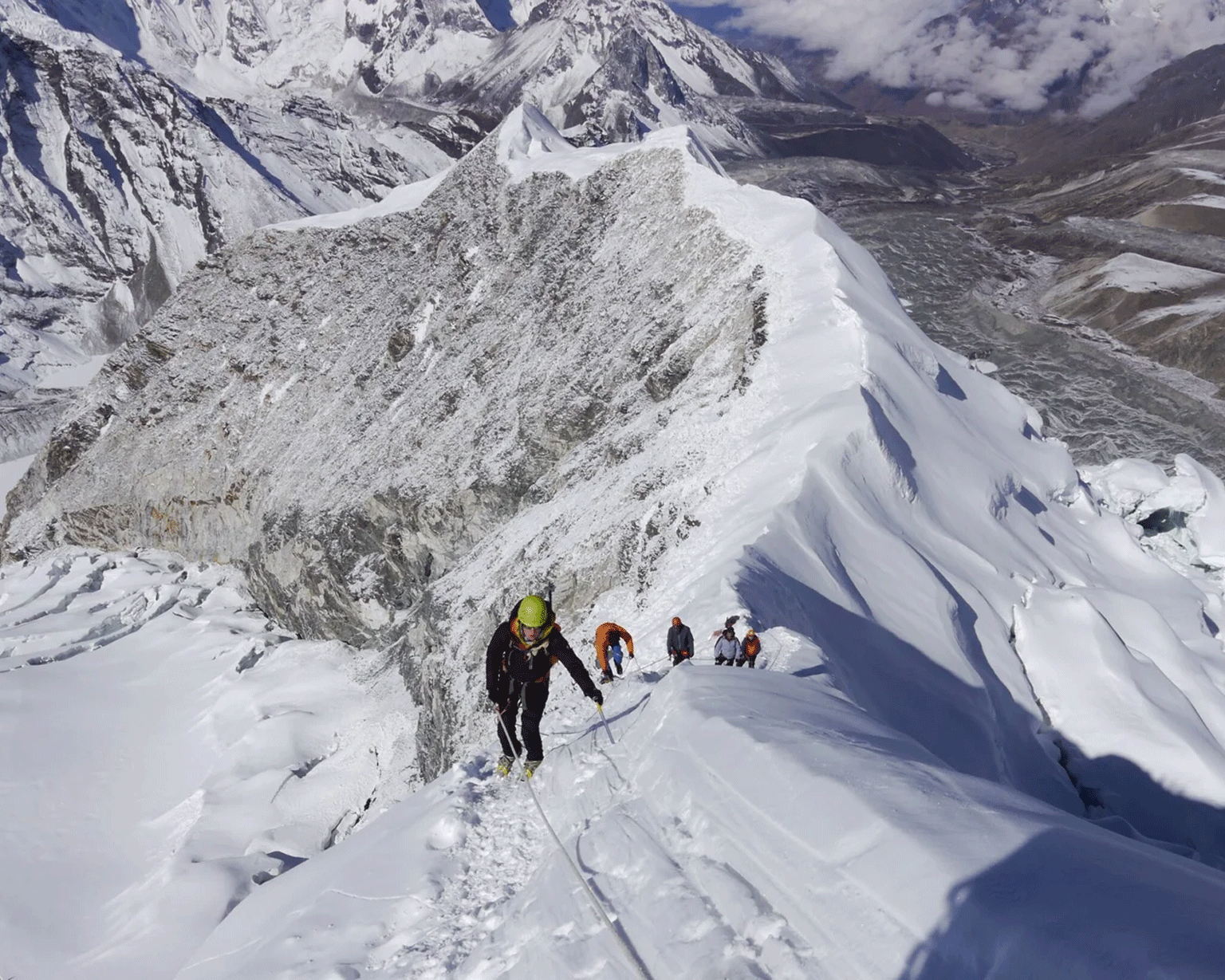
An early alpine start, usually before midnight, begins the summit push. The climb involves glacier travel, fixed ropes, and a steep snow and ice headwall leading to the summit. From the top, enjoy breathtaking panoramic views of Everest, Lhotse, Makalu, Baruntse, and Ama Dablam. After a successful summit, descend carefully back to High Camp for overnight rest.
This day is reserved as a buffer for bad weather or summit delays. If unused, descend from High Camp or Base Camp and trek down to Pangboche, passing through familiar trails and enjoying the decreasing altitude. Overnight at a lodge.
Retrace the route through Tengboche and Phunki Tenga, descending through forests and river valleys back to Namche Bazaar. Celebrate the successful climb and enjoy the comforts of lower altitude. Overnight at a lodge.
A long but scenic trek back to Lukla, following the Dudh Koshi River and crossing suspension bridges. This marks the final trekking day in the Everest region. Overnight at a lodge.
A leisure day to relax and recover. Optional activities include sightseeing in Kathmandu Valley, souvenir shopping, spa treatments, or a farewell dinner with the expedition team. This day also serves as a contingency for weather or road delays.
According to your international flight schedule, you will be transferred to Tribhuvan International Airport for your onward journey. The expedition concludes with unforgettable memories of Island Peak and the Everest region.
Package details
What's Included
- Airport pick up and drop off.
- Transportations to Bung by public transportation.
- Three meals everyday during trekking.
- Room service in tea houses during trekking.
- Peak climbing permit.
- Guide and Porter’s food, accommodation, insurance, equipment etc.
- Domestic flight one way.
- Team gear and equipment
- Garbage charges etc.
What's not Included
- Your international flight ticket
- Hotel and meal in Kathmandu.
- Hot showers charges.
- Extra drinks: as like cold drinks cola, sprite, beer, hot water, and bakery items.
- Local entry fee and donations:- as like school, monastery temples etc.
- Guide and porter tips etc.
Why Choose Island Peak Climbing?
Island Peak is where the Everest region and real mountaineering converge. The approach threads through the most iconic trekking landscape on Earth. The summit delivers a 6,000m achievement that most first-time climbers never forget. And the views from the top are, simply, among the best on the planet.
Gateway to Himalayan mountaineering
Set in the heart of the Everest region
Extraordinary summit panorama
Combines trekking and technical climbing
Two built-in acclimatization days
Deep Sherpa cultural experience
High summit success rate
The most iconic base camp approach in the world
Book Now
Our experienced guides and expedition team are ready to plan your Island Peak climbing. Fill out the form, and we’ll get back to you within 24 hours with a tailored proposal.
How Difficult Is Island Peak Climbing?
Moderate to Strenuous
Island Peak is the right mountain for trekkers ready to take their first serious step into climbing. The approach is long and the altitude is real, but the technical demands are manageable for anyone who arrives fit, well-acclimatised, and willing to follow their guide.
- 5–7 hours of trekking per day across varied Khumbu terrain
- Glacier travel, fixed rope climbing, and crampon use required
- Steep ice and snow headwall on the final approach to the summit
- Two structured acclimatization days built into the itinerary
- No prior climbing experience required, skills taught at base camp
Effort breakdown
Based on our guides’ experience
Best Time for Island Peak Climbing
The Khumbu region has two reliable climbing windows each year. Both deliver outstanding conditions; the question is which one fits your schedule.
Recommended seasons
Best overall visibility, stable weather windows, and the most popular season for both Island Peak and the Everest region trekking
Crystal clear skies after monsoon, dry trails, and excellent summit conditions, October is the single best month of the year
Seasons to avoid
Monsoon (June – Aug)
Heavy rainfall, unstable trail conditions, and persistent cloud cover make both the trek and the climb significantly more difficult and less rewarding
Winter (Dec – Feb)
Extreme cold at altitude, heavy snowfall on the upper mountain, and very short daylight hours make summit attempts considerably more dangerous
Who Can Climb Island Peak?
Island Peak does not require a climbing background. It requires fitness, the right mindset, and a willingness to be guided through terrain that pushes beyond anything a standard trek will ask of you.
Requirements
- Good physical fitness and cardiovascular endurance
- Previous trekking experience above 3,500m recommended
- No prior climbing experience required, all technical skills taught at base camp
- Mental readiness for long summit day starting before midnight
Training Includes
- Crampon fitting and glacier travel techniques
- Ice axe use and self-arrest practice
- Fixed rope and jumar technique
- Steep ice headwall movement under guide supervision
Island Peak Climbing FAQs
Everything you need to know before booking your expedition.
The standard Island Peak expedition runs 18 days from Kathmandu and back. This includes the flight to Lukla, the Khumbu trek through Namche Bazaar, Tengboche, Dingboche, and Chhukung, two acclimatization days, base camp and high camp progression, summit day, a contingency day for bad weather, and the return trek to Lukla for the flight back to Kathmandu. The itinerary is deliberately well-paced with adequate rest days built in to support proper acclimatisation and maximise summit success. Climbers who want to spend extra time in the Khumbu region or add an Everest Base Camp detour can extend the trip by 3–5 days.
Island Peak is considered one of the safer technical trekking peaks in Nepal and is a well-established route with a strong safety record when climbed with experienced, licensed guides. The primary hazards are altitude sickness, glacier crevasses, the steep ice headwall near the summit, and rapidly changing mountain weather. All of these risks are well-managed through structured acclimatisation, daily health monitoring with pulse oximeter checks, and the use of fixed ropes and proper technical equipment on the upper mountain. Helicopter rescue insurance is strongly recommended for all Island Peak climbers, as emergency evacuation from the Khumbu region, while relatively accessible compared to more remote peaks, requires adequate insurance coverage.
No prior climbing experience is required for Island Peak, which is one of the primary reasons it attracts so many first-time mountaineers each season. The technical elements of glacier travel, crampon use, ice axe technique, and fixed rope ascending are all taught by your climbing guide during the training day at base camp before the summit push. What you do need is solid trekking fitness and ideally some prior experience above 3,500m to ensure your body responds well to altitude. Climbers who have completed the Everest Base Camp trek or a similar high-altitude route arrive with a genuine advantage in terms of altitude familiarity and overall Khumbu trekking experience.
The summit success rate for Island Peak is approximately 75–85% for well-prepared climbers who follow the recommended acclimatisation schedule. It is one of the higher success rates among Nepal’s technical trekking peaks, reflecting the well-established route, strong local guiding knowledge, and the good acclimatisation profile built into the 18-day itinerary. Autumn delivers consistently high success rates due to stable weather windows and clear summit days. The most common causes of failed summit attempts are rushing the acclimatisation schedule, inadequate physical preparation before the expedition, and poor weather on summit day all of which are significantly reduced with proper planning and the right agency.
Temperatures vary considerably across this expedition’s altitude range. In Namche Bazaar (3,440m) during autumn, daytime temperatures are comfortable at 10°C to 15°C with nights around -2°C to -5°C. At Dingboche (4,410m), overnight temperatures drop to -8°C to -12°C. At base camp (5,087m), nights fall to -10°C to -15°C. At high camp (5,600m), temperatures regularly drop to -15°C to -20°C. On summit day at 6,189m, wind chill can push perceived temperatures below -25°C, particularly on the exposed upper headwall where wind speeds can increase significantly. A three to four-season sleeping bag, insulated down jacket, warm gloves and balaclava, and glacier goggles are all essential for a safe and comfortable expedition.
Three permits are required for the Island Peak expedition. First, the Island Peak climbing permit issued by the Nepal Mountaineering Association (NMA). Second, the Sagarmatha National Park entry permit, as the entire trekking route passes through this UNESCO World Heritage protected area. Third, a Khumbu Pasang Lhamu Rural Municipality entry fee is also required. All permit arrangements are handled by your trekking agency as part of the expedition package. Additionally, a TIMS card is required for the trekking section. No individual permit applications are needed; your agency manages all documentation before departure from Kathmandu.
Essential technical gear for Island Peak includes mountaineering boots compatible with step-in crampons, crampons, ice axe, climbing harness, helmet, jumar ascender, carabiners, and a belay device for the fixed rope sections on the headwall. For clothing, a quality layering system including a down jacket, insulated gloves, balaclava, and glacier goggles is essential. A three to four-season sleeping bag rated to -15°C is sufficient for this expedition. Most agencies supply shared technical equipment including fixed ropes and anchor gear. Standard trekking kit including trekking poles, a reliable headlamp with spare batteries critical for the pre-midnight summit start a comfortable daypack, and a hydration system will serve you across the full 18-day itinerary.
The standard route to Island Peak begins with a flight from Kathmandu to Lukla, followed by the classic Khumbu trek through Phakding, Namche Bazaar, Tengboche, Dingboche, and Chhukung to base camp at 5,087m. From base camp, the route ascends to high camp at 5,600m before the summit push. The final section involves glacier travel, a crevassed upper glacier, and a steep 60-degree ice and snow headwall leading to the summit ridge at 6,189m. Fixed ropes are in place on the headwall throughout the main climbing seasons. The descent follows the same route back to high camp and base camp before rejoining the main Khumbu trail for the return to Lukla.
Yes, and this is one of the most popular combinations in Nepal. Island Peak and Everest Base Camp are frequently combined in a single itinerary of 20–23 days, with climbers trekking to EBC first before branching off toward Chhukung and Island Peak. This combination delivers two of the Khumbu region’s most iconic experiences in a single trip and is well within reach of fit, well-acclimatised trekkers. Island Peak is also commonly combined with Mera Peak for those wanting to summit two contrasting trekking peaks, one in the Everest region and one in the Hinku Valley, typically in 25–28 days. Any combination itinerary requires careful acclimatisation planning and should be discussed thoroughly with your agency before booking.
Training for Island Peak should begin 2–3 months before departure, focusing primarily on cardiovascular endurance. Running, cycling, swimming, and stair climbing with a weighted pack are all effective ways to build the aerobic foundation needed for sustained days at altitude in the Khumbu. Leg strength training will improve your performance on the long ascent to high camp and on the steep headwall on summit day. If possible, complete a high-altitude trek above 3,500m in the months before your expedition to give your body real experience with altitude stress. No specific technical climbing training is required beforehand, all skills are taught at base camp, but arriving physically strong and well-rested gives you the best possible foundation. Pay particular attention to preparing for early starts, summit day begins before midnight and demands both physical output and mental sharpness at a point in the expedition when fatigue is already accumulating.