

Altitude
6091m

Co-ordinates
28°38′46″N, 84°11′18″E

Duration
16 Days

Best Season
Spring and Autumn

Activity
Peak Climbing

Trip Grade
Moderate to Difficult
Pisang Peak Climbing
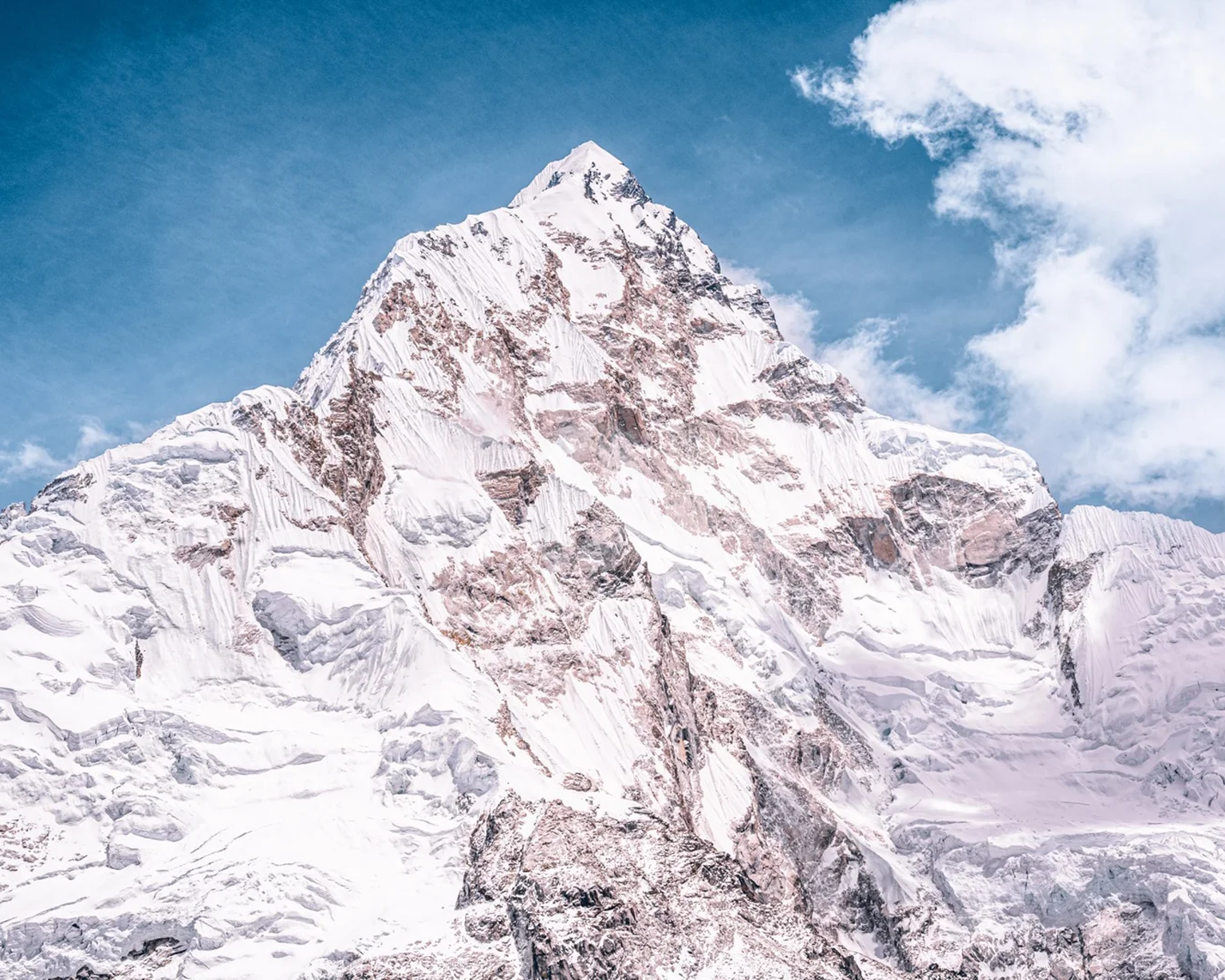
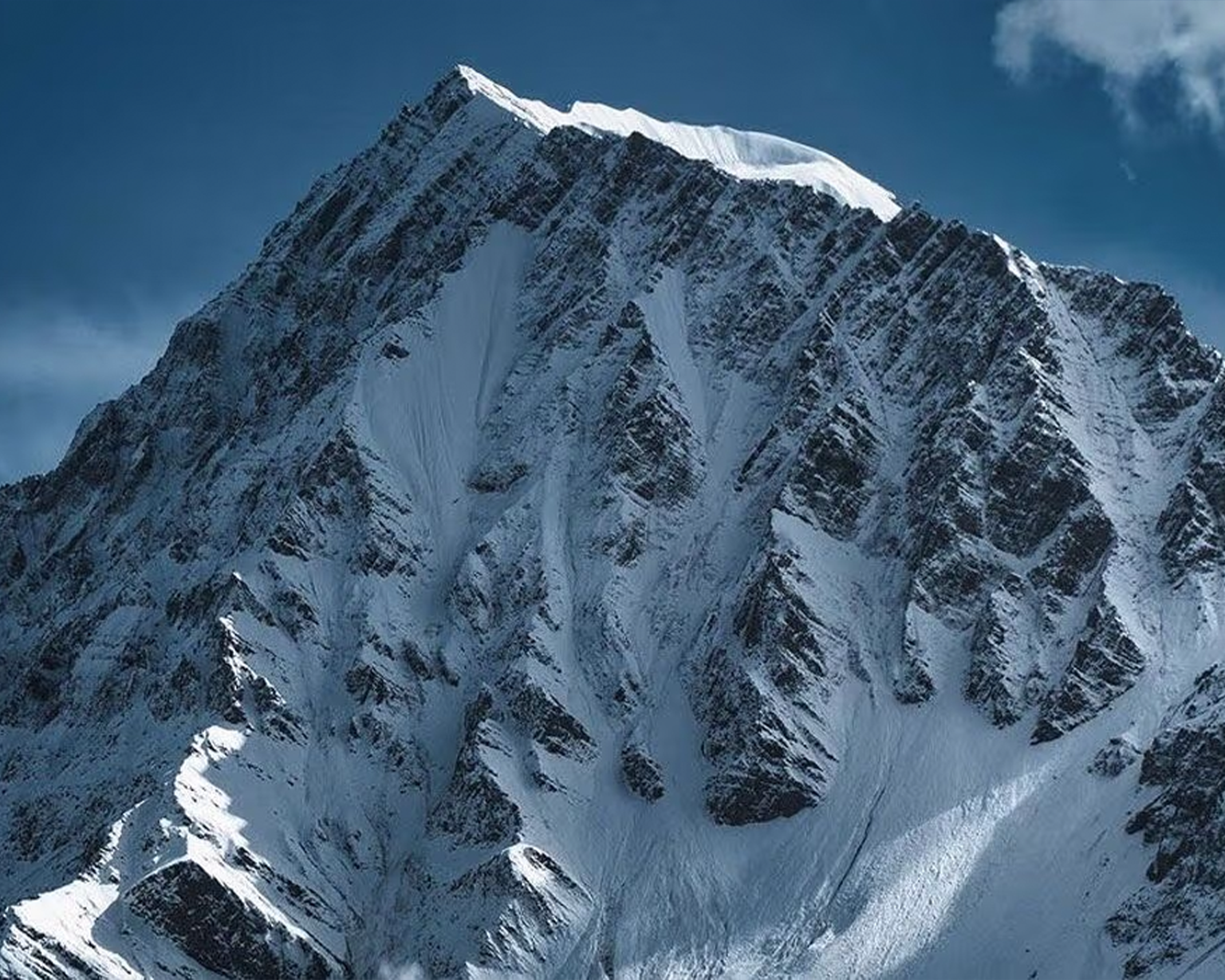
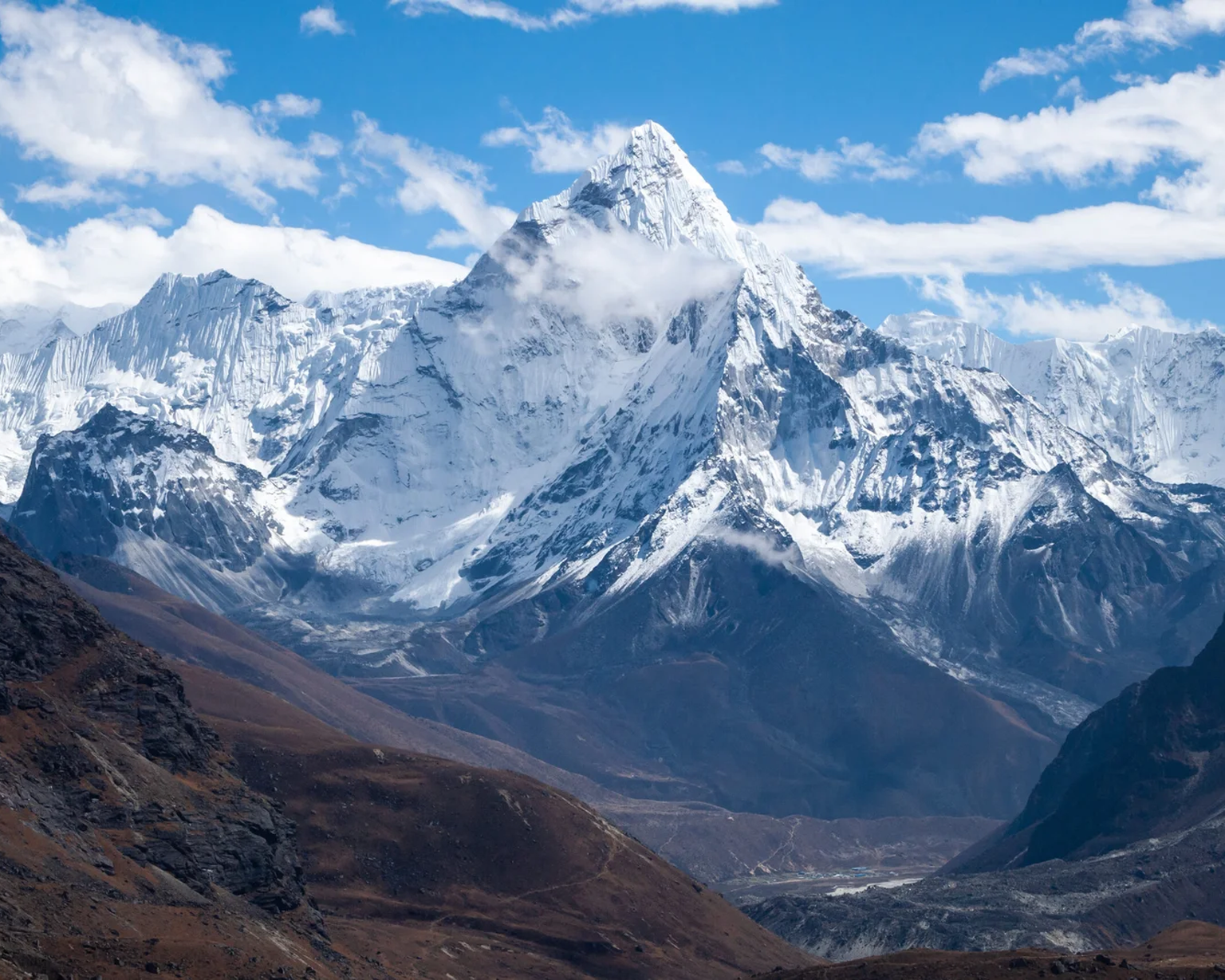
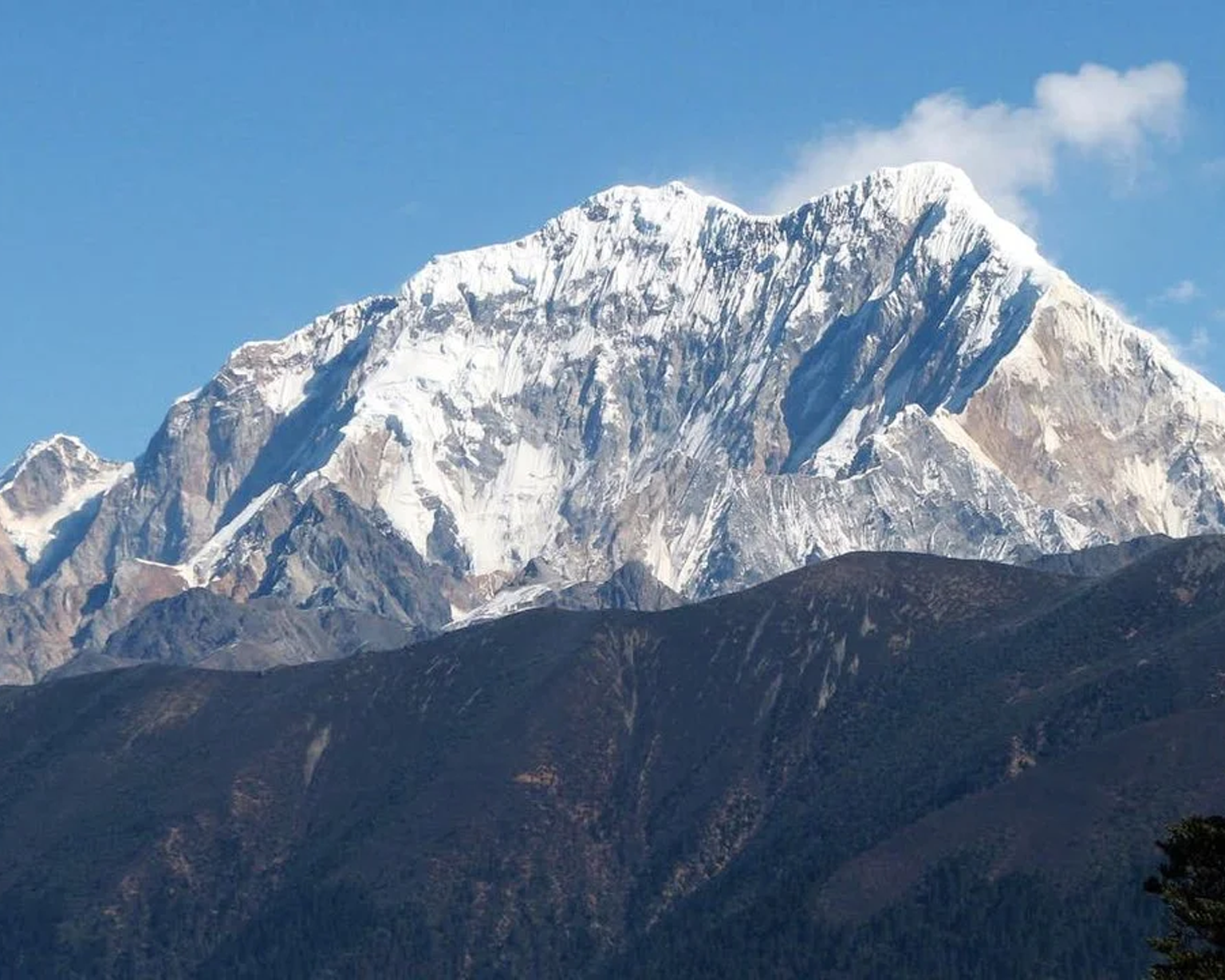
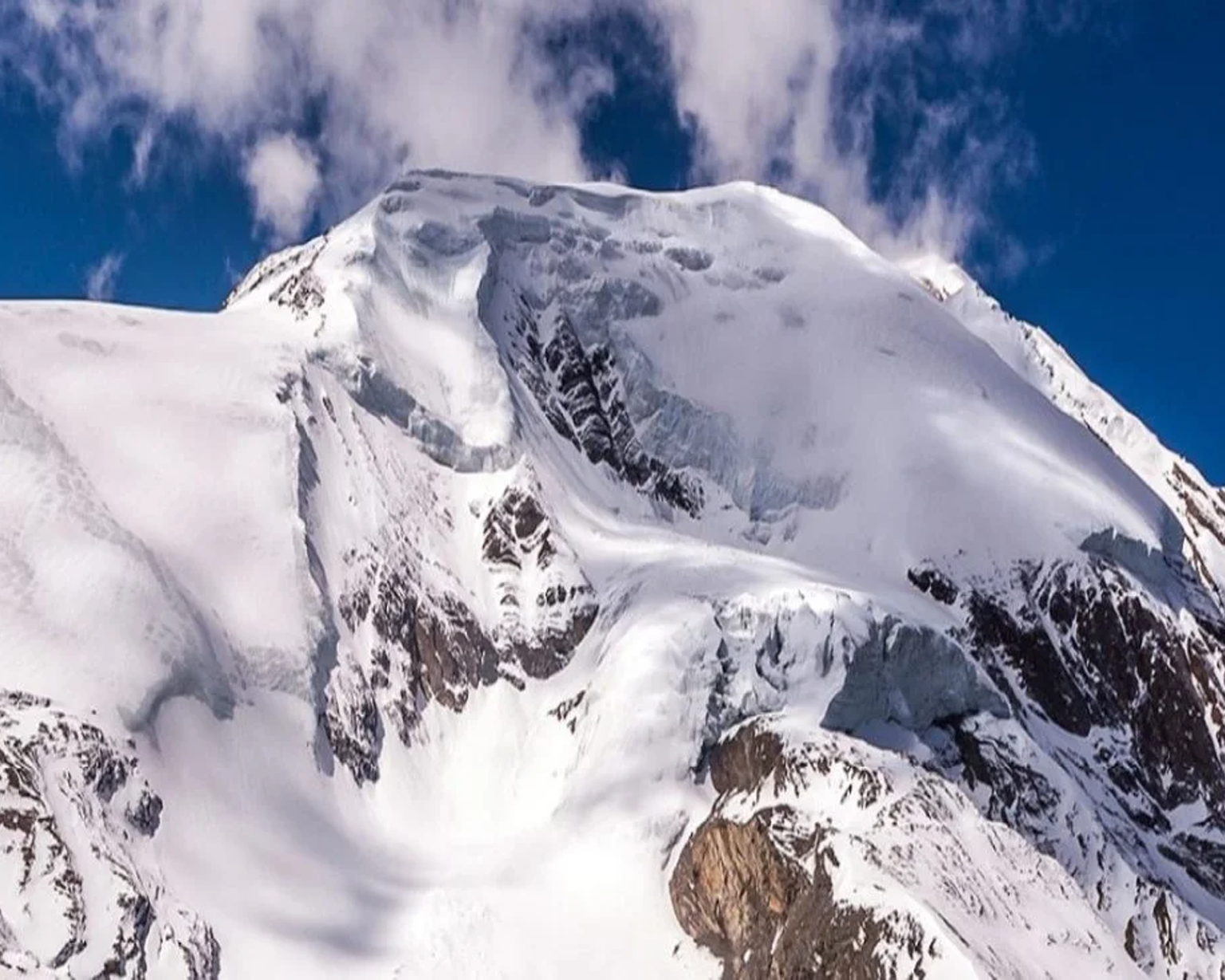
Pisang Peak (6,091m) goes by another name, Jong Ri. Located above Pisang village in the Manang Valley, it is one of the well-known trekking peaks along the Annapurna Circuit.
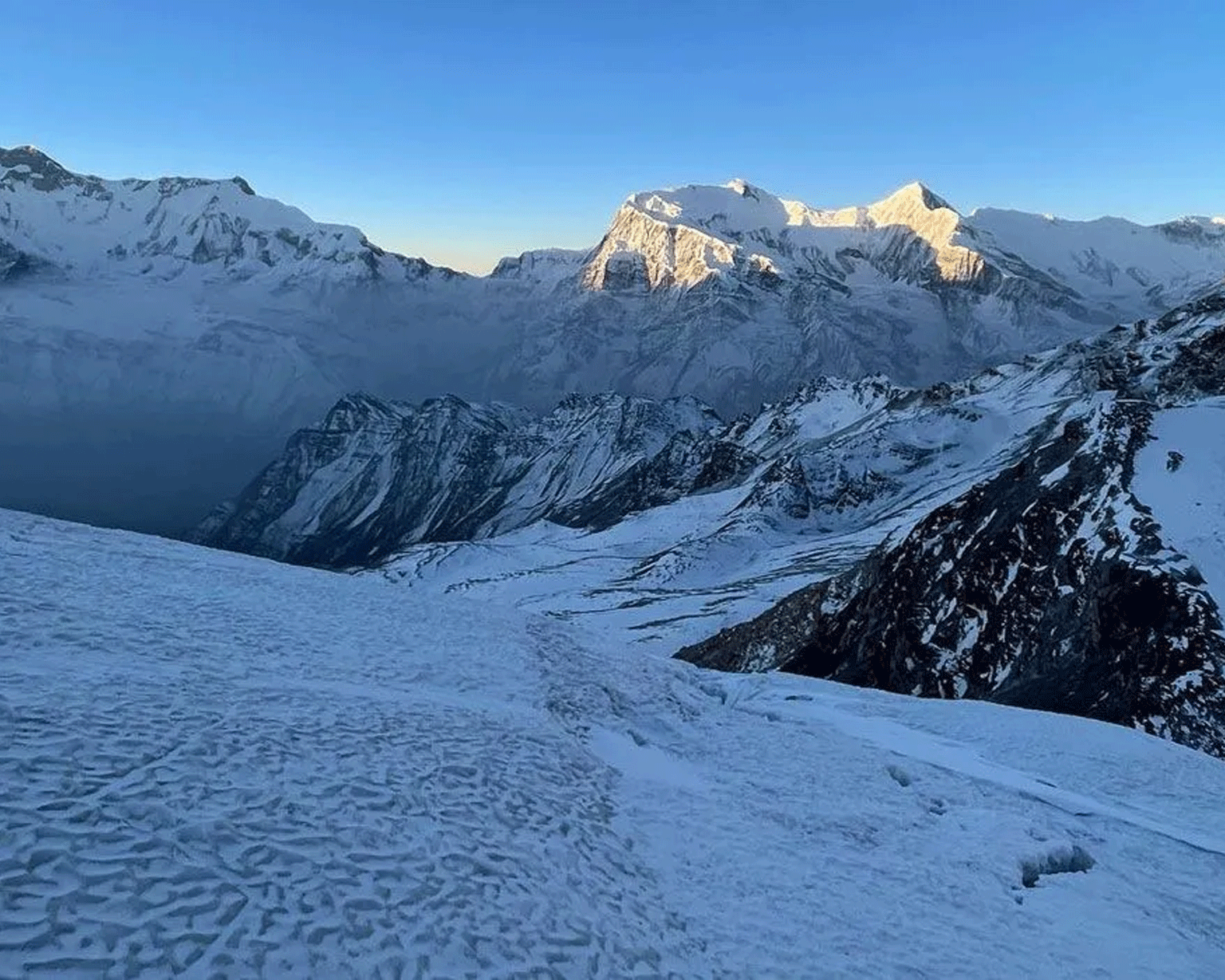
The trail moves through oak and pine forests, open meadows, and yak pastures before the terrain turns rocky and snow-covered near the top.
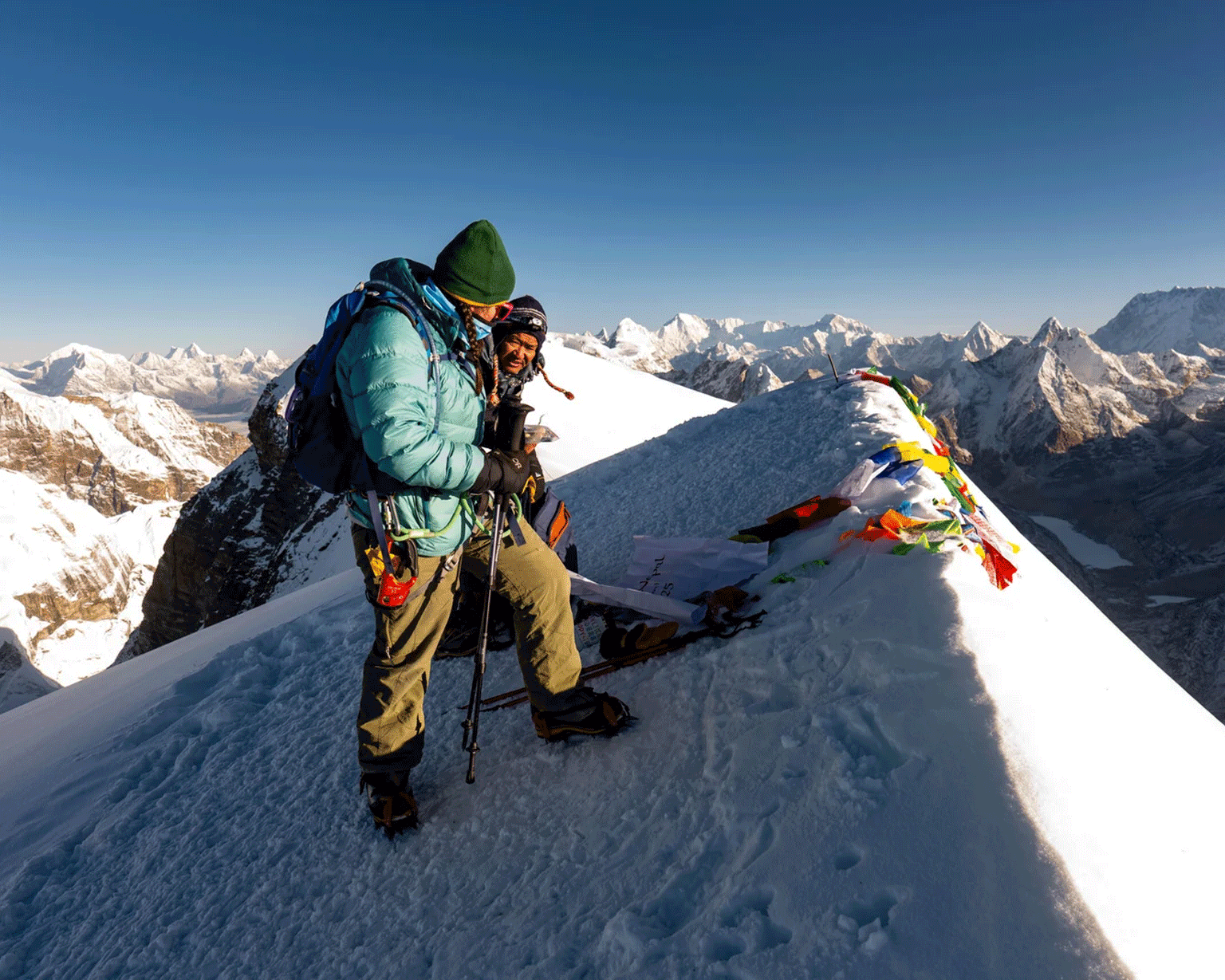
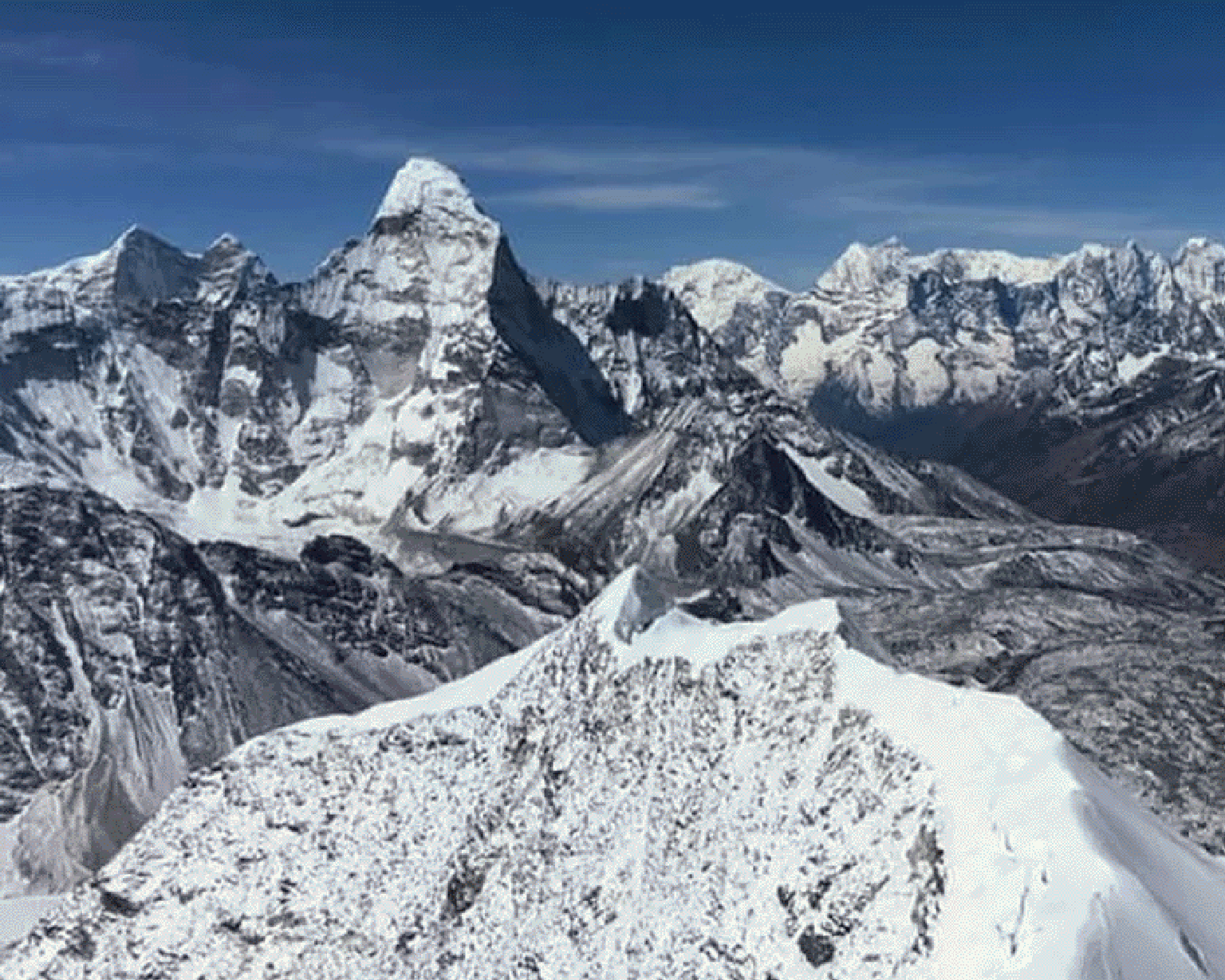
From the summit, Annapurna II, III, IV, Gangapurna, Manaslu, and Tilicho Peak stretch across the skyline.
No prior climbing experience needed. Crampons and ice axe skills are taught on the way up.
Package details
What's Included
- Airport pick up and drops off.
- Transportations to Bung by public transportation.
- Three meals everyday during trekking.
- Room service in tea houses during trekking.
- Peak climbing permit.
- Guide and Porter’s food, accommodation, insurance, equipment etc.
- Domestic flight one way.
- Team gear and equipment
- Garbage charges etc.
What's not Included
- Your international flight ticket
- Hotel and meal in Kathmandu.
- National park frees
- Hot showers charges.
- Extra drinks: as like cold drinks cola, sprite, beer, hot water, and bakery items.
- Local entry fee and donations:- as like school, monastery temples etc.
- Guide and porter tips etc.
Upon arrival at Tribhuvan International Airport (TIA), complete Nepal entry visa formalities at immigration. Our representative will welcome you at the arrivals hall and escort you to your hotel in Kathmandu. After check-in, take time to rest and recover from your journey. Depending on arrival time, a short briefing or welcome meeting may be arranged.
After an early breakfast, begin a scenic drive from Kathmandu to Chame, the administrative headquarters of the Manang District. The journey follows rivers, terraced hillsides, and rural villages, gradually entering the Annapurna region. As the altitude increases, the landscape becomes more alpine. Overnight at a lodge in Chame.
Today’s trek follows the Marsyangdi River through pine forests and dramatic rock formations. Passing through traditional villages and apple orchards, the trail gradually ascends toward Upper Pisang. Stunning views of Annapurna II and Pisang Peak dominate the skyline. Overnight at Upper Pisang.
A dedicated acclimatization day to allow the body to adjust to altitude. Short hikes to nearby ridges or villages are recommended for active acclimatization, offering excellent views of Annapurna II, III, IV, and Gangapurna. The remainder of the day is reserved for rest, hydration, and preparation for the climbing phase.
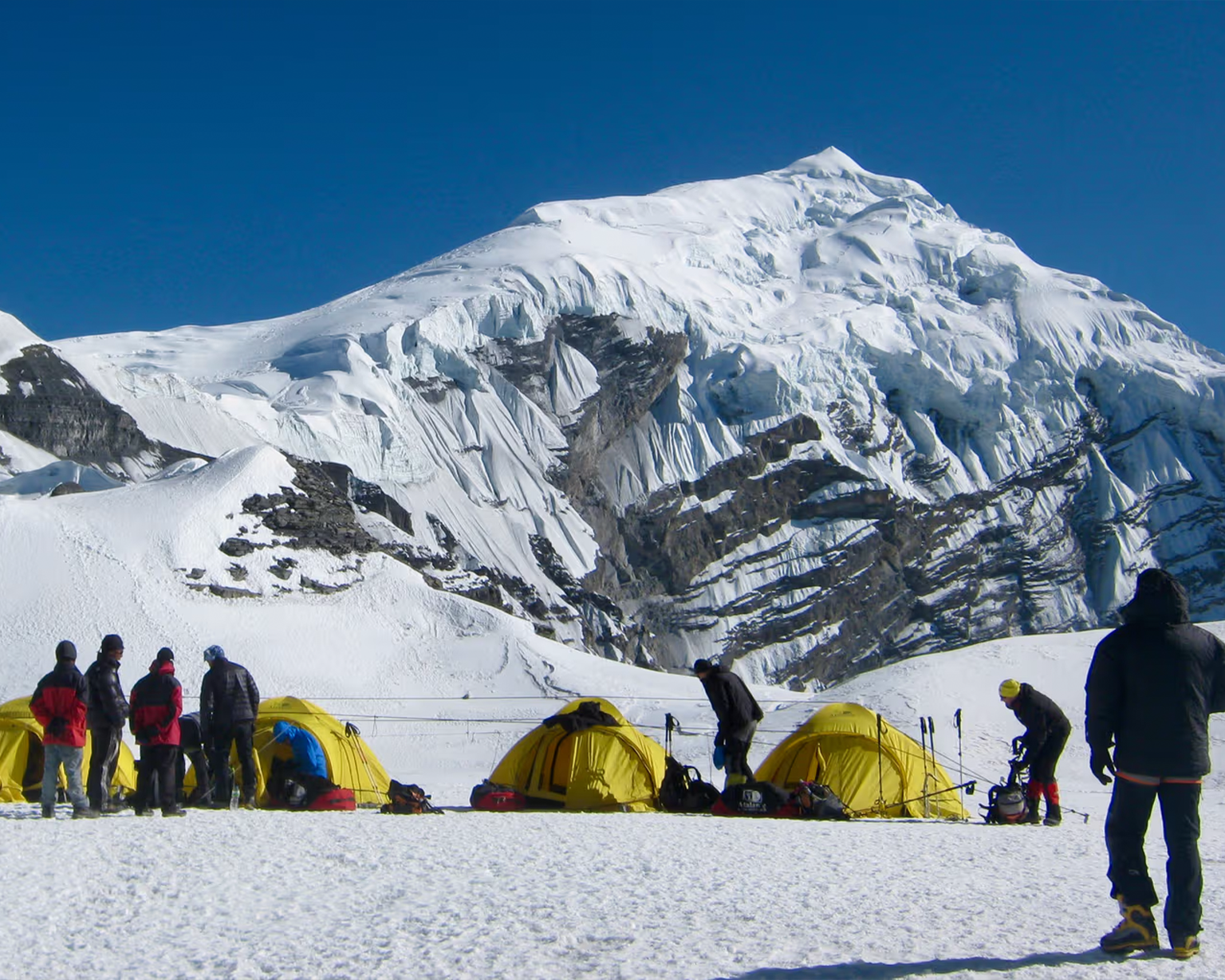
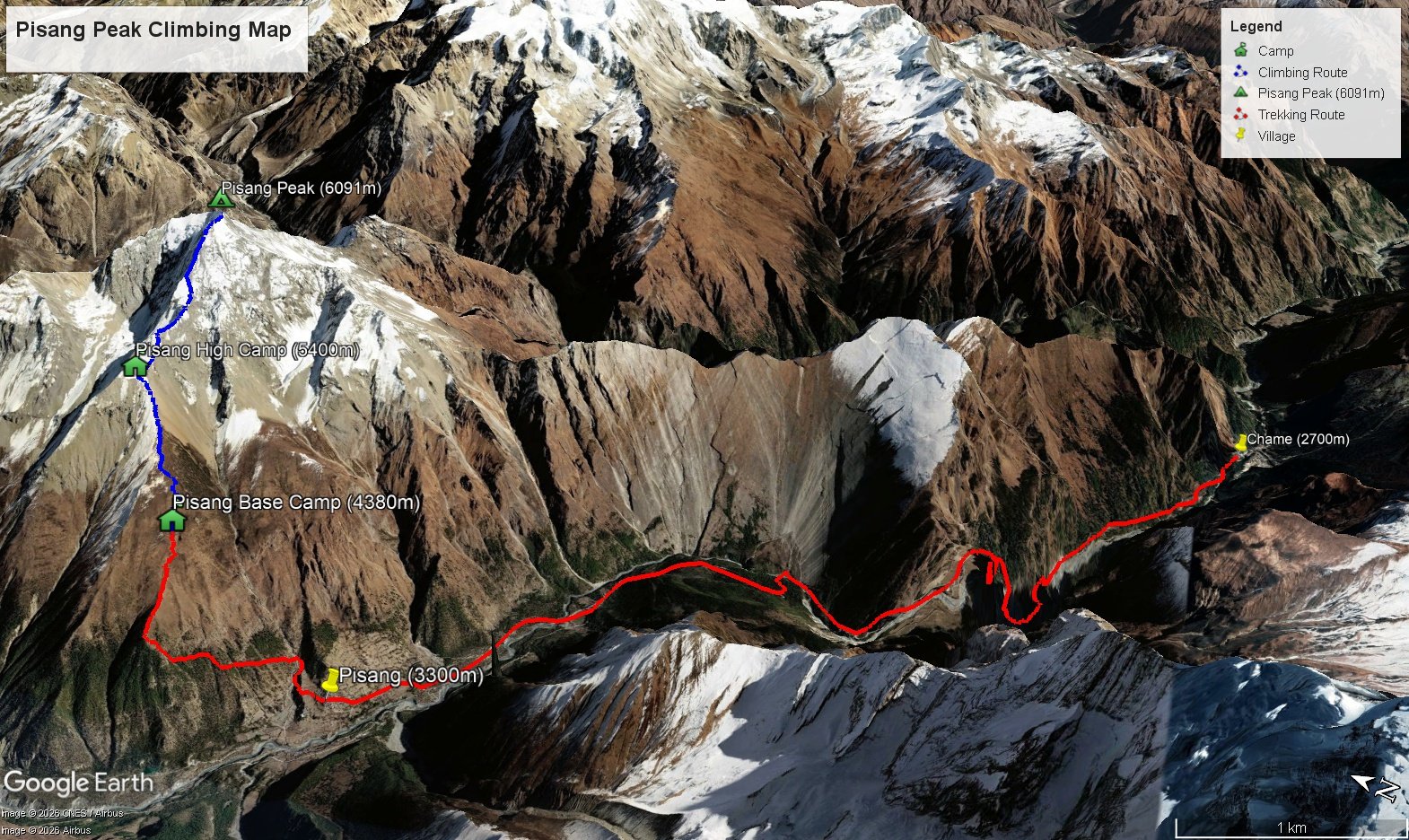
Leaving Upper Pisang, the trail ascends toward Pisang Peak Base Camp through alpine terrain. As vegetation thins, panoramic mountain views open up across the Annapurna range. Upon arrival at Base Camp, the team sets up camp and conducts basic training and equipment checks in preparation for higher altitude climbing.
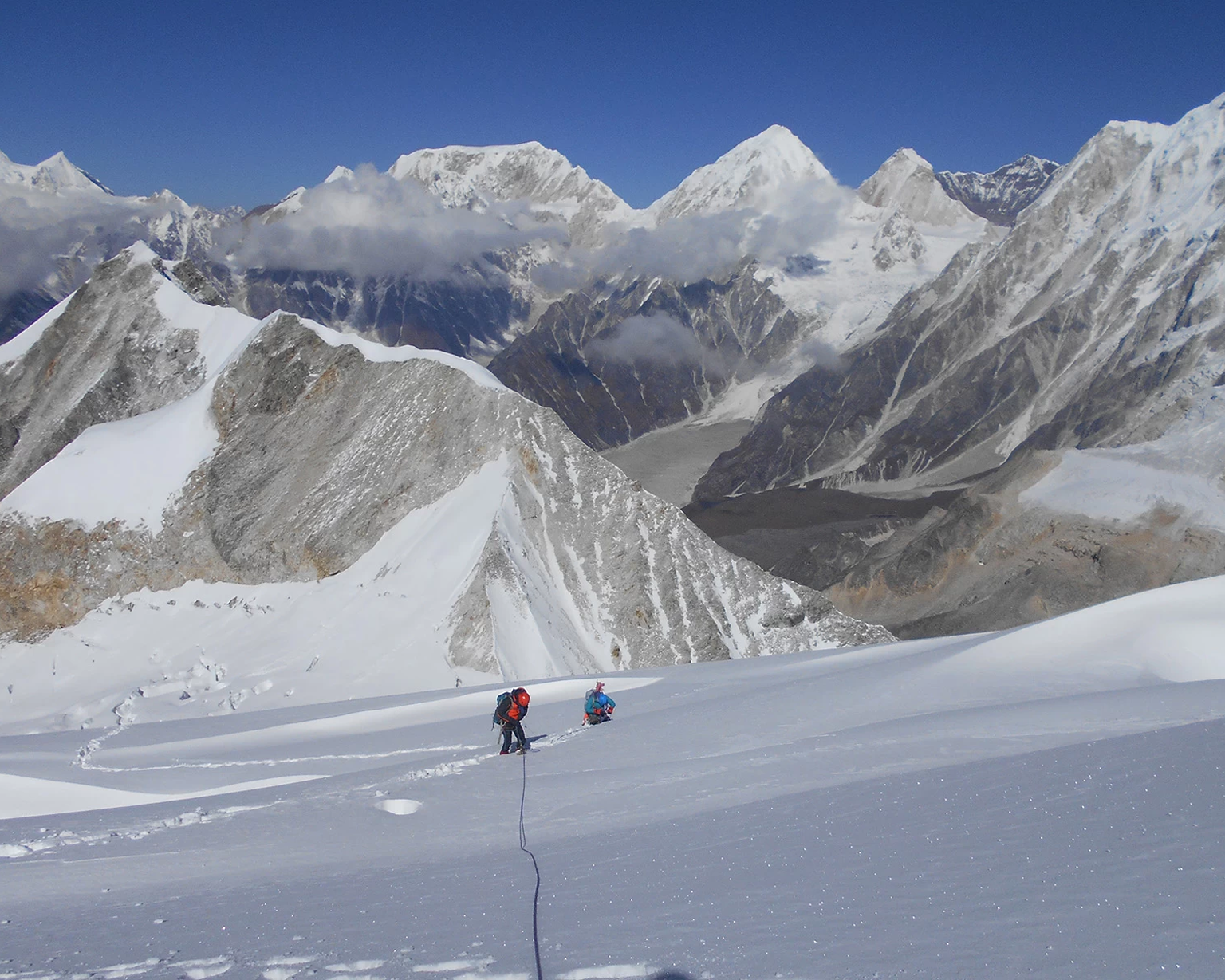
The route to High Camp is steeper and more rugged, requiring careful movement over rocky and snow-covered terrain. Fixed ropes may be used depending on conditions. After reaching High Camp, climbers rest, hydrate, and receive final briefings from the climbing guide in preparation for the summit push.
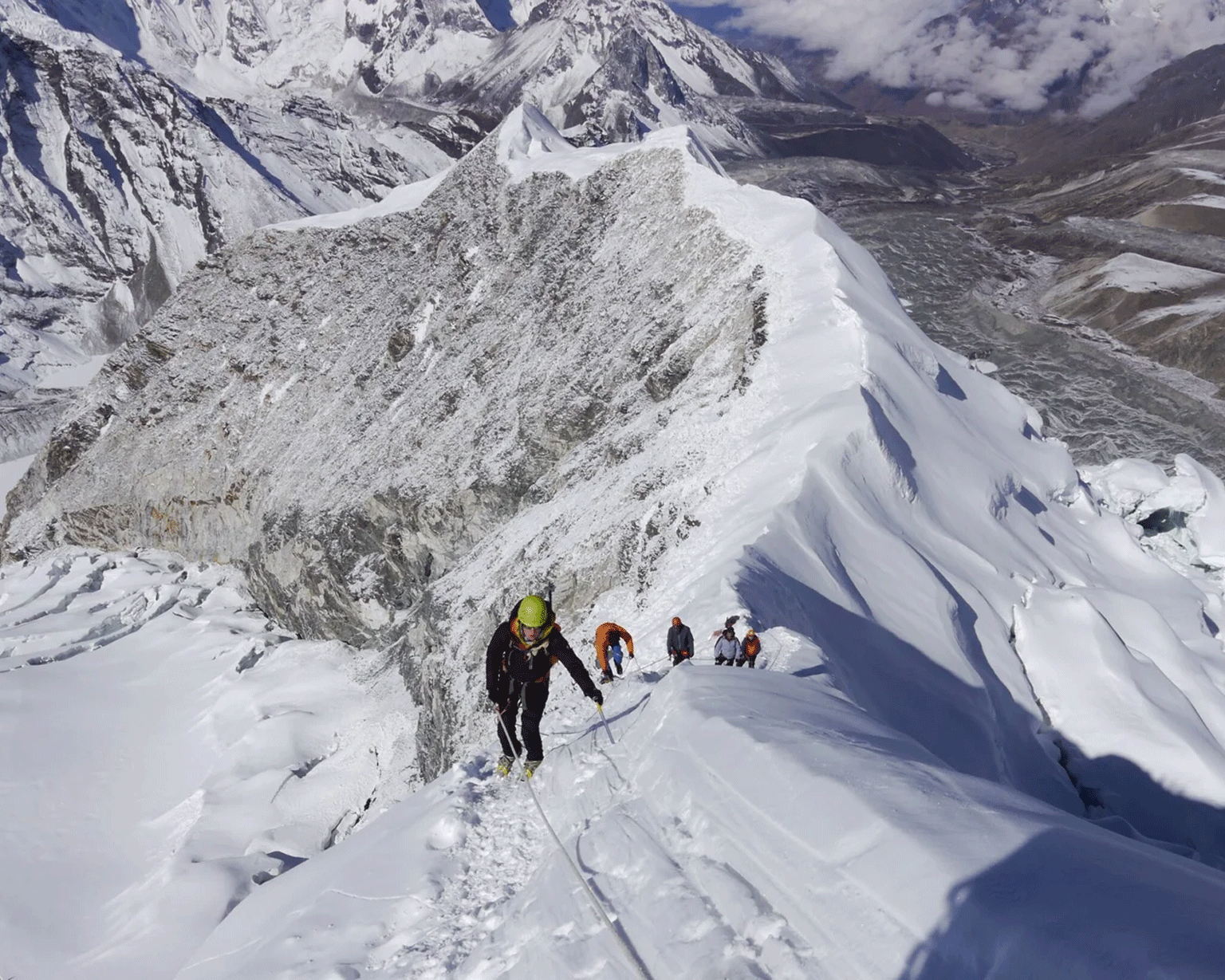
An early morning alpine start for the summit attempt. The climb involves snow slopes and a final steep ridge leading to the summit of Pisang Peak, offering breathtaking panoramic views of Annapurna, Manaslu, Dhaulagiri, and Tilicho Peak. After celebrating the summit, descend carefully back to Base Camp or Upper Pisang for overnight rest.
After breakfast, descend into the beautiful Manang Valley. The trail passes through traditional villages and wide alpine landscapes with dramatic mountain backdrops. Manang offers a more developed settlement with bakeries, shops, and excellent views, making it a comfortable place to rest.
The trail gradually ascends above the tree line into high alpine pasturelands. Yaks grazing in open meadows give Yak Kharka its name. The pace remains slow and steady to support acclimatization as altitude increases. Overnight at a lodge in Yak Kharka.
Today’s trek continues along the Marsyangdi Valley toward Thorong Phedi, the base of the Thorong La Pass. Depending on conditions and group strength, some teams continue to Thorong High Camp to shorten the crossing day. Early dinner and rest are essential for the following day’s pass crossing.
A challenging but rewarding day. An early start leads to the summit of Thorong La Pass, one of the highest trekking passes in the world. From the top, enjoy panoramic Himalayan views before beginning a long descent to Muktinath, a sacred pilgrimage site for both Hindus and Buddhists. Overnight in Muktinath.
Descending into the Kali Gandaki Valley, the landscape changes dramatically to arid, wind-swept terrain. The trek passes through traditional villages before reaching Jomsom, the district headquarters of Mustang. Enjoy improved comfort and facilities at lower altitude.
An early morning flight takes you from Jomsom to Pokhara, offering stunning aerial views of the Annapurna and Dhaulagiri ranges. Upon arrival, transfer to your hotel by Phewa Lake. The rest of the day is free to relax, enjoy lakeside cafés, or explore the city.
After breakfast, drive back to Kathmandu along scenic highways, following rivers and terraced hillsides. Upon arrival, transfer to your hotel and enjoy a relaxed evening in the capital.
A leisure day for rest, sightseeing, souvenir shopping, or optional cultural tours around Kathmandu Valley. This day also serves as a buffer for any travel delays. A farewell dinner may be arranged in the evening.
According to your international flight schedule, transfer to Tribhuvan International Airport for onward departure. The expedition concludes with unforgettable memories of Pisang Peak, Thorong La Pass, and the Annapurna region.
Why Choose Pisang Peak Climbing?
Pisang Peak is where trekking and mountaineering meet on equal terms. The approach is one of the world’s great walks. The summit is a genuine 6,000m achievement. And the route that follows it over Thorong La and down to Muktinath makes this one of the most complete Himalayan adventures available to non-professional climbers.
A genuine 6,000m summit with a manageable entry level
A well-established peak with strong local heritage
Spectacular Annapurna panorama from the summit
Combines with the full Annapurna Circuit
Thorong La Pass crossing included
Muktinath and Mustang cultural experience
No prior climbing experience required
Complete Himalayan experience
Book Now
Our experienced guides and expedition team are ready to plan your Pisang Peak Climbing. Fill out the form and we’ll get back to you within 24 hours with a tailored proposal.
How Difficult Is Pisang Peak Climbing?
Moderate to Strenuous
Pisang Peak sits at the more accessible end of Nepal’s trekking peaks, but the altitude is real, and the upper ridge demands respect. It is the right objective for trekkers stepping into mountaineering for the first time provided they arrive fit and well-acclimatised.
- 5–7 hours of trekking per day on varied terrain
- Snow slope climbing and basic crampon and ice axe technique required
- Thorong La Pass crossing (5,416m) adds significant altitude challenge
- Acclimatization day at Upper Pisang built into the itinerary
- No prior climbing experience needed, skills taught on approach
Effort breakdown
Based on our guides’ experience
Best Time for Pisang Peak Climbing
Pisang Peak sits inside the Annapurna Conservation Area, where weather patterns are shaped by the surrounding massif. The right season makes a significant difference both on the summit and on the Thorong La crossing.
Recommended seasons
Best visibility, stable weather, good snow conditions on the upper mountain and Thorong La
Clear skies after monsoon, settled conditions, October is the most popular and reliable month
Seasons to avoid
Monsoon (June – Aug)
Heavy rain, unstable trails, poor visibility on both the peak and the pass
Winter (Dec – Feb)
Extreme cold, deep snow, Thorong La becomes dangerous or impassable
Who Can Climb Pisang Peak?
Pisang Peak is one of the best entry points into Himalayan mountaineering. You do not need a climbing background; you need fitness, determination, and a willingness to learn the basics on the trail.
Requirements
- Good physical fitness and cardiovascular endurance
- Previous trekking experience above 3,500m recommended
- No prior climbing experience required basic skills taught during the approach
- Mental readiness for 16 days of sustained physical effort including a high-pass crossing
Training Includes
- Ice axe use and self-arrest technique
- Fixed rope and basic harness technique
- Crampon fitting and glacier travel
- High-altitude breathing and pacing strategies
Pisang Peak Climbing FAQs
Everything you need to know before booking your expedition.
The standard Pisang Peak expedition runs 16 days from Kathmandu and back. This covers the drive to Chame, the Annapurna Circuit approach through Upper Pisang, an acclimatization day, base camp and high camp progression, summit day, the descent into the Manang Valley, the Thorong La Pass crossing to Muktinath, the trek to Jomsom, a flight to Pokhara, and the drive back to Kathmandu. The itinerary is well-paced with built-in acclimatization and a rest day buffer. Climbers wishing to spend more time in Pokhara or extend the Mustang section can add 2–3 days without affecting the climbing schedule.
Pisang Peak is considered one of the safer trekking peaks in Nepal, particularly for first-time high-altitude climbers. The main hazards are altitude sickness, snow slope conditions on the upper mountain, and weather exposure during the Thorong La crossing. All risks are well-managed with experienced government-licensed guides, a structured acclimatization schedule, and daily health monitoring throughout the expedition. The Thorong La crossing, while not technically difficult, requires good physical condition and should not be rushed. Helicopter rescue insurance is strongly recommended, as emergency evacuation from the Manang and Mustang regions requires advance coverage.
No prior climbing experience is required for Pisang Peak, which is one of the reasons it is so popular among trekkers making their first step into mountaineering. The technical demands of snow slopes, crampons, and basic ice axe use are all within reach of any fit trekker willing to follow instruction. Your climbing guide will conduct thorough training at base camp covering crampon technique, ice axe handling, and movement on fixed ropes before the summit push. Previous trekking experience above 3,500m is recommended to ensure your body responds well to altitude, but this is not a peak that requires a mountaineering background.
The summit success rate for Pisang Peak is approximately 75–85% for well-prepared climbers who follow the acclimatization schedule. It is one of the higher success rates among Nepal’s trekking peaks, reflecting the relatively accessible technical demands and the good acclimatization profile of the Annapurna Circuit approach. Spring and autumn both deliver strong success rates. The most common reasons for unsuccessful attempts are inadequate physical preparation, skipping acclimatization days to save time, and poor weather on summit day. Climbing with an experienced guide and following the itinerary as planned are the two most important factors in reaching the top.
Temperatures vary significantly across this expedition’s altitude range. At Upper Pisang (3,700m), daytime temperatures in autumn are pleasant at 10°C to 18°C, with nights dropping to 0°C to -5°C. At base camp (4,380m), overnight temperatures fall to around -8°C to -12°C. At high camp (5,400m), temperatures drop to -15°C to -20°C at night. On summit day at 6,091m, wind chill can push perceived temperatures below -25°C. The Thorong La crossing at 5,416m is also cold and exposed, particularly in the early morning when most teams make the crossing. Layered clothing, insulated gloves, a balaclava, and a four-season sleeping bag rated to -15°C or lower are all essential.
Three permits are required for the Pisang Peak expedition. First, the Pisang Peak climbing permit issued by the Nepal Mountaineering Association (NMA). Second, the Annapurna Conservation Area Permit (ACAP), required for all trekkers on the Annapurna Circuit. Third, a TIMS card is needed for the trekking section. All permits are typically arranged by your trekking agency as part of the package fee. No individual permit applications are needed on your part your agency handles all documentation before departure from Kathmandu.
Essential technical gear for Pisang Peak includes mountaineering boots compatible with crampons, crampons, ice axe, climbing harness, helmet, and basic rope equipment. For clothing, a quality layering system including a down jacket, insulated gloves, balaclava, and glacier goggles is essential. A three to four-season sleeping bag rated to -15°C is sufficient for this expedition given the lower summit altitude compared to Chulu peaks. Most agencies supply shared technical equipment such as fixed ropes and anchors. Standard trekking gear including trekking poles, a reliable headlamp, and a comfortable daypack will serve you well across the full 16-day itinerary including the Thorong La crossing.
The standard route begins with a drive to Chame and the Annapurna Circuit trek to Upper Pisang. From Upper Pisang, the route ascends to base camp at 4,380m and then to high camp at 5,400m. The summit push involves climbing a snow ridge to the top at 6,091m. After descending from the summit, the expedition rejoins the Annapurna Circuit, crosses the Thorong La Pass at 5,416m, descends to Muktinath, treks to Jomsom, and flies to Pokhara before the final drive back to Kathmandu. This circular route is one of the most satisfying in Nepal, you never retrace your steps and every section of the journey delivers something new.
Thorong La Pass at 5,416m is one of the highest regularly crossed trekking passes in the world and the defining feature of the Annapurna Circuit. It sits between the Manang Valley and the Mustang region and is crossed on Day 11 of this itinerary after the Pisang Peak summit. The crossing itself is not technically difficult it is a long, steep climb from Thorong Phedi followed by a very long descent to Muktinath. The challenge is purely altitude and physical endurance. Most teams start the crossing between 3am and 5am to avoid afternoon winds and ensure enough time for the full descent. By the time you reach Thorong La on this itinerary, your body will already be well acclimatised from the Pisang Peak climb, making the crossing significantly more manageable.
Training for Pisang Peak should begin 2–3 months before departure given its relatively accessible technical demands compared to higher Annapurna peaks. Cardiovascular endurance is the priority; running, cycling, swimming, or stair climbing with a weighted pack will build the aerobic base needed for sustained days at altitude. Leg strength training will help on the long descent days from the summit and from Thorong La to Muktinath, which is one of the longest continuous descents in the region. If possible, complete a trek above 3,500m in the months before your expedition to familiarise your body with altitude. No specific climbing training is required beforehand; all technical skills are taught on the approach, but arriving fit and well-rested gives you the best possible foundation for a successful summit and a memorable Thorong La crossing.