6000m Peaks

Mera Peak Climbing

Prepare to stand
on top of the world.

Altitude

6476m

Co-ordinates

27.6997° N, 86.8686° E

Duration

16 Days

Best Season

Spring and Autumn

Activity

Peak Climbing

Trip Grade

Moderate to Difficult

Mera Peak Climbing Nepal

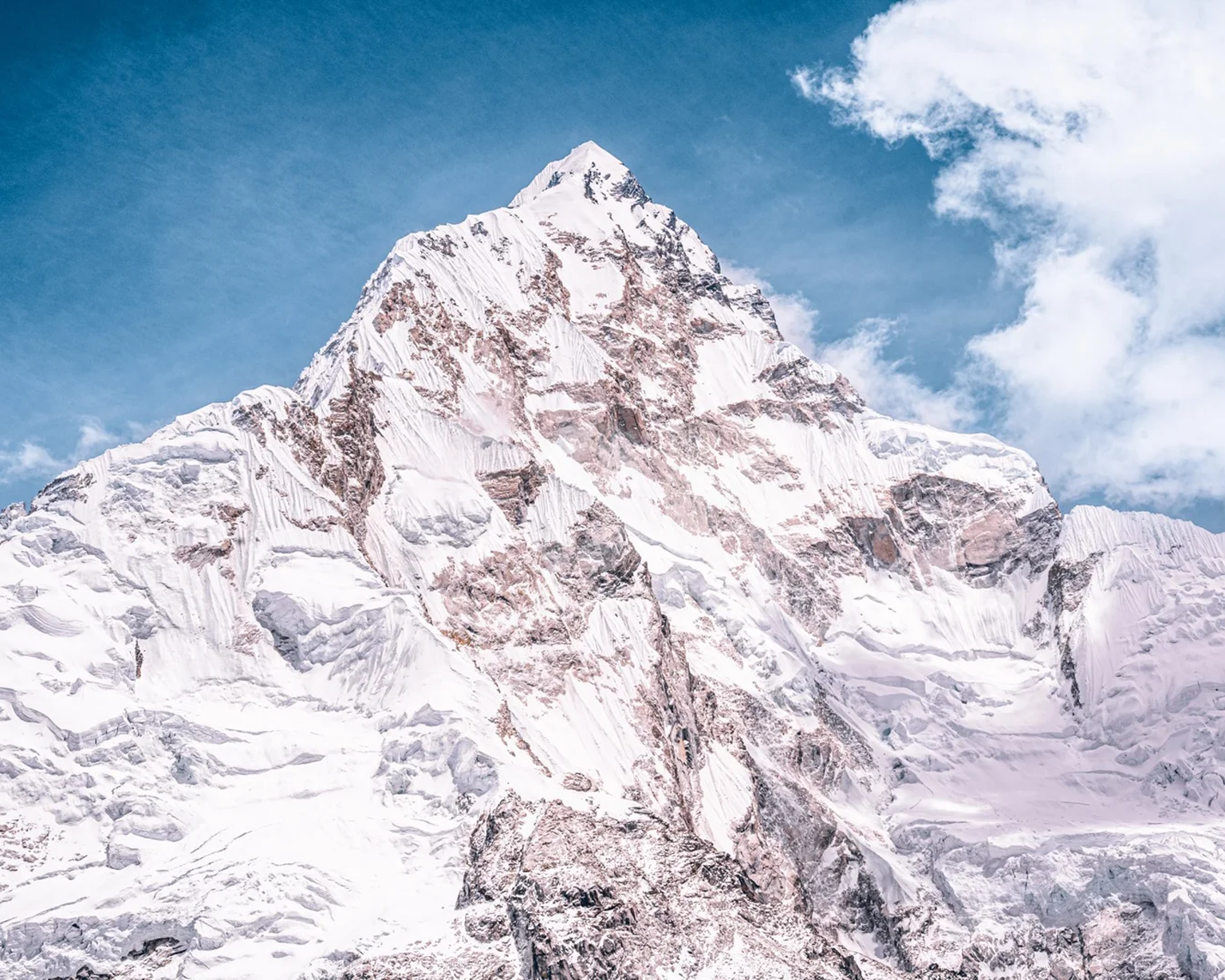
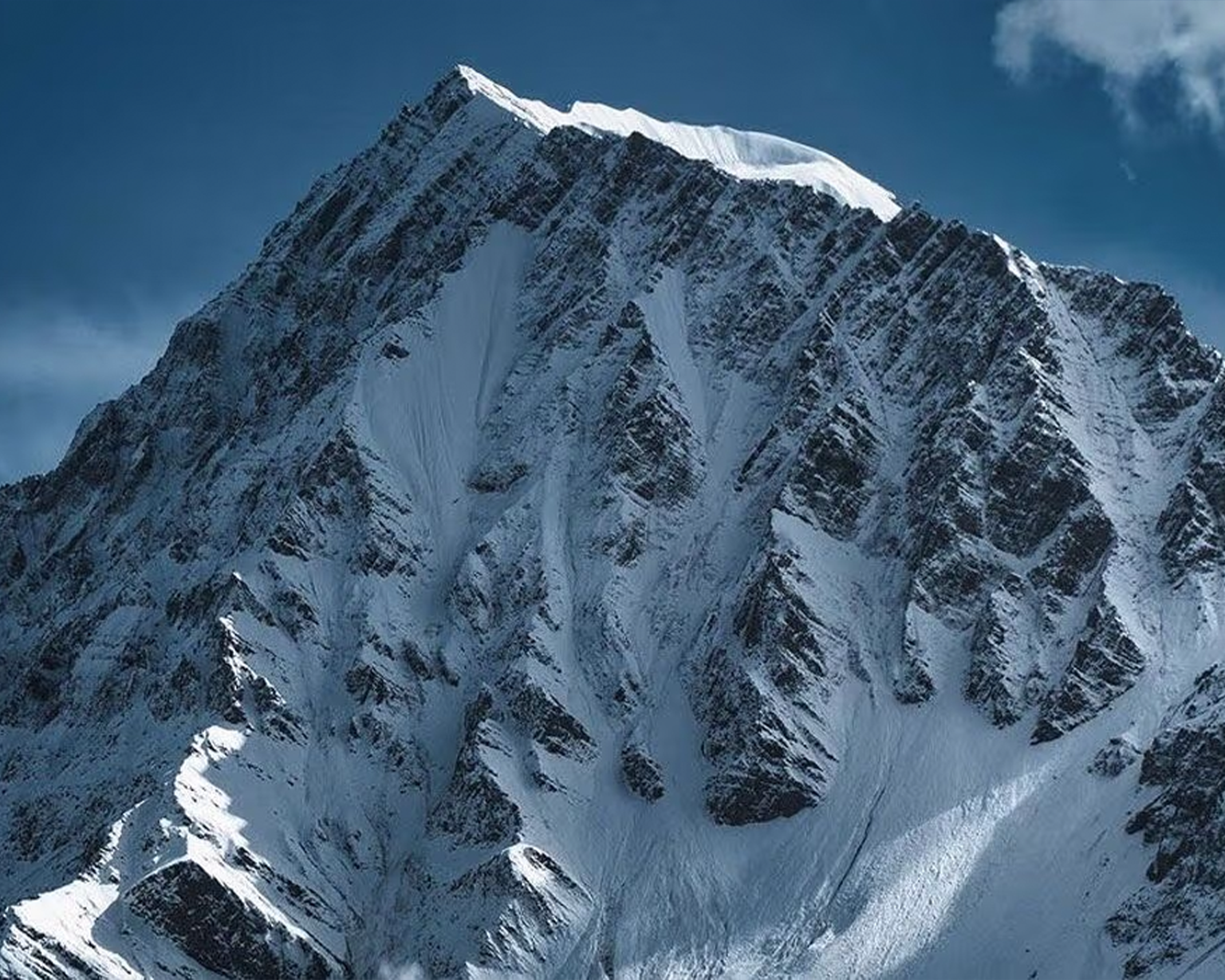
Standing at 6,476 metres, Mera Peak Climbing holds the title of Nepal’s highest permitted trekking peak, and it earns every bit of its reputation. Tucked deep within the Hinku Valley in the Everest region, it strikes a rare balance: genuinely high-altitude mountaineering, without the extreme technical demands that turn most people away.

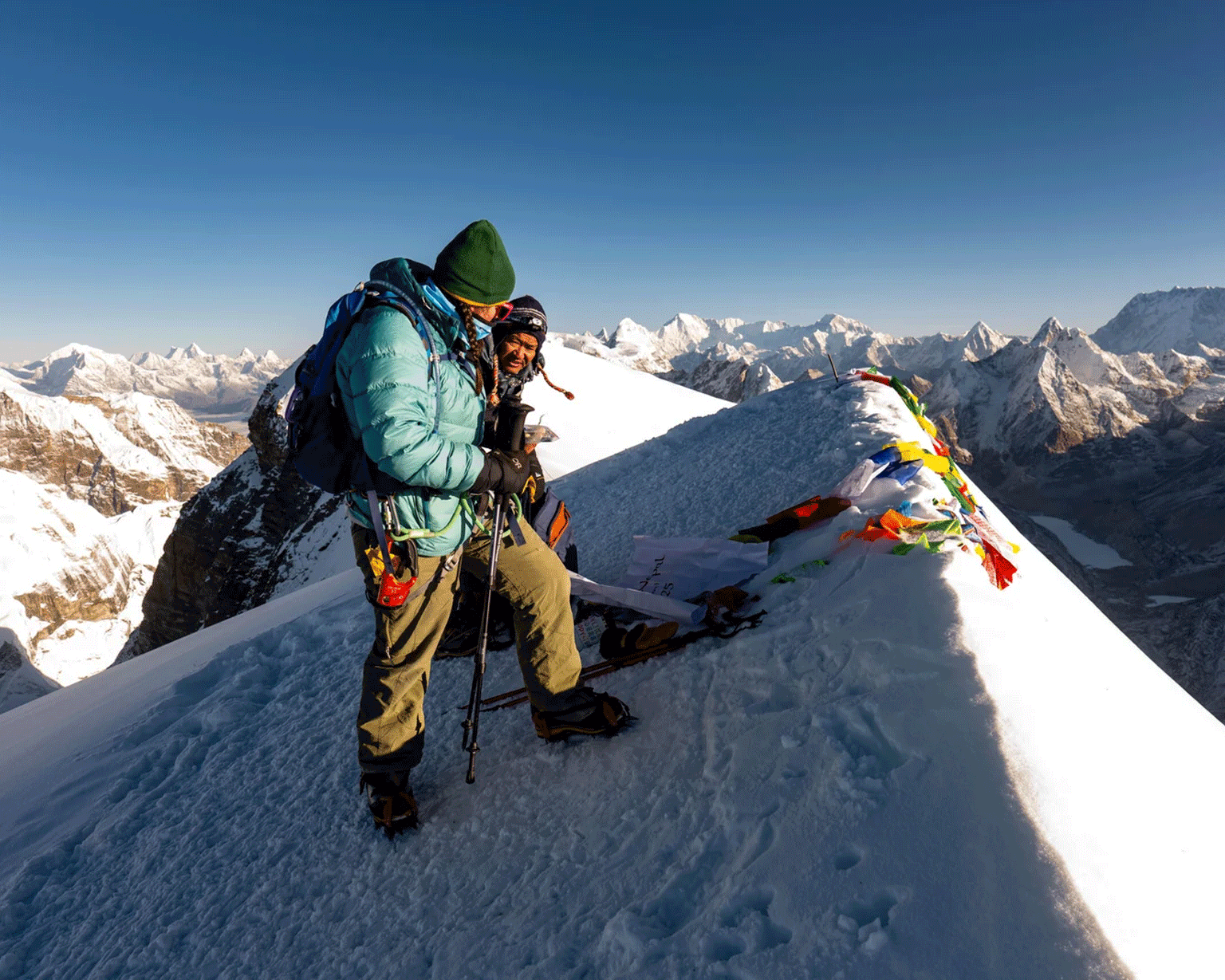
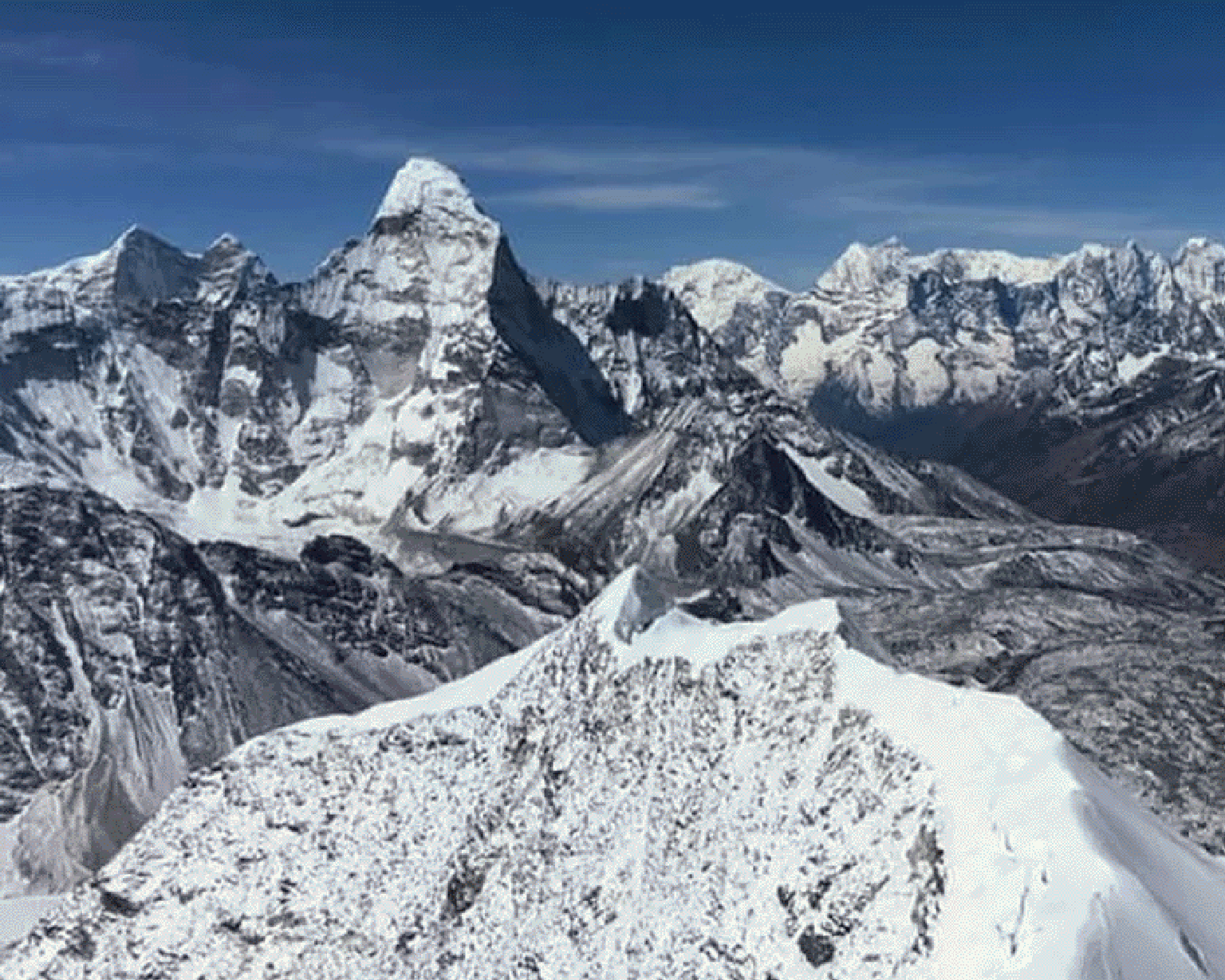
The summit is the reward. Few places on Earth offer a panorama quite like this, five of the world’s eight-thousanders lined up across the horizon. Everest, Lhotse, Makalu, Cho Oyu, Kanchenjunga. Names that mean something, visible all at once.

Getting there weaves together the best of the Himalayas remote trail walking, glacier travel, and a summit push that tests your resolve without requiring years of climbing experience. For trekkers ready to take their first serious step into mountaineering, Mera Peak Climbing is the natural starting point.

Upon arrival at Tribhuvan International Airport, complete Nepal entry visa and immigration formalities. Our representative will welcome you at the airport and transfer you to your hotel in Kathmandu. After check-in, rest and recover from your international journey. In the evening, a short briefing about the expedition program may be conducted.

This day is dedicated to rest and expedition preparation. A detailed equipment inspection is carried out to ensure all personal and climbing gear meets safety standards. Our team completes necessary permit and documentation formalities. A full briefing with the expedition leader covers route details, safety protocols, and climbing plans. Any missing equipment can be hired or purchased in Kathmandu.

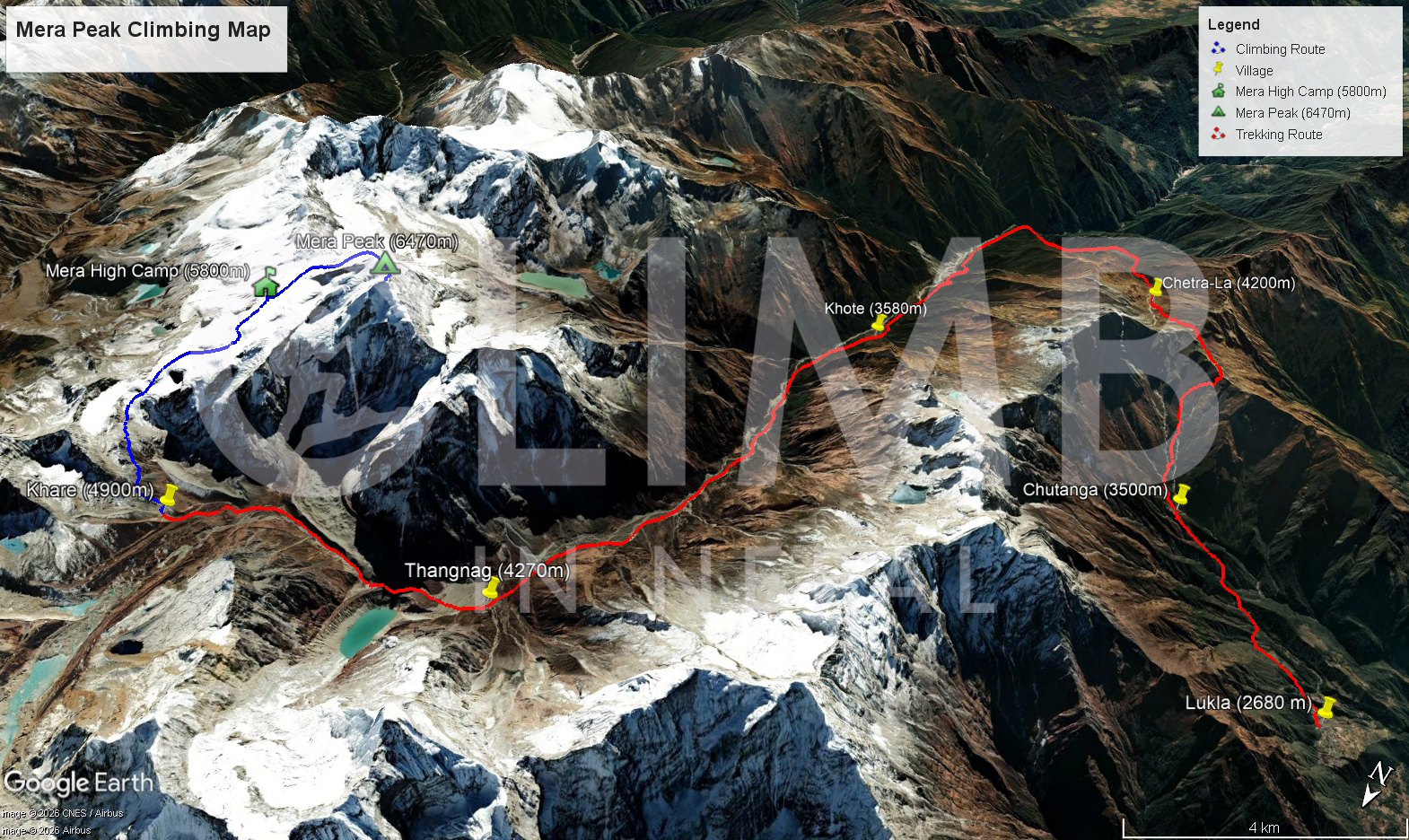
An early morning scenic flight takes you to Lukla, offering spectacular views of the Himalayan landscape. After landing, the trek begins on a less-crowded trail toward the Hinku Valley. The path ascends gradually through forests and small settlements to Chuthengga, allowing a smooth start and gentle acclimatization.

Today’s trek climbs steadily through alpine forests and open ridges toward Chetra La. As altitude increases, vegetation becomes sparse and mountain views expand. The trail offers a peaceful trekking experience away from busy routes, making it ideal for gradual acclimatization. Overnight stay near the pass area.

Crossing Chetra La, the trail descends toward the Hinku Valley. The route follows scenic ridgelines before dropping into forested terrain alongside the Hinku Khola. Kothe is a seasonal settlement surrounded by towering Himalayan peaks and serves as an important stop before moving higher into alpine terrain.

The trek continues along the Hinku Khola through a wide glacial valley. The environment becomes increasingly alpine as tree lines disappear. Surrounded by dramatic mountain scenery, Thaknak is a key acclimatization stop and offers impressive views of glaciers and surrounding peaks.

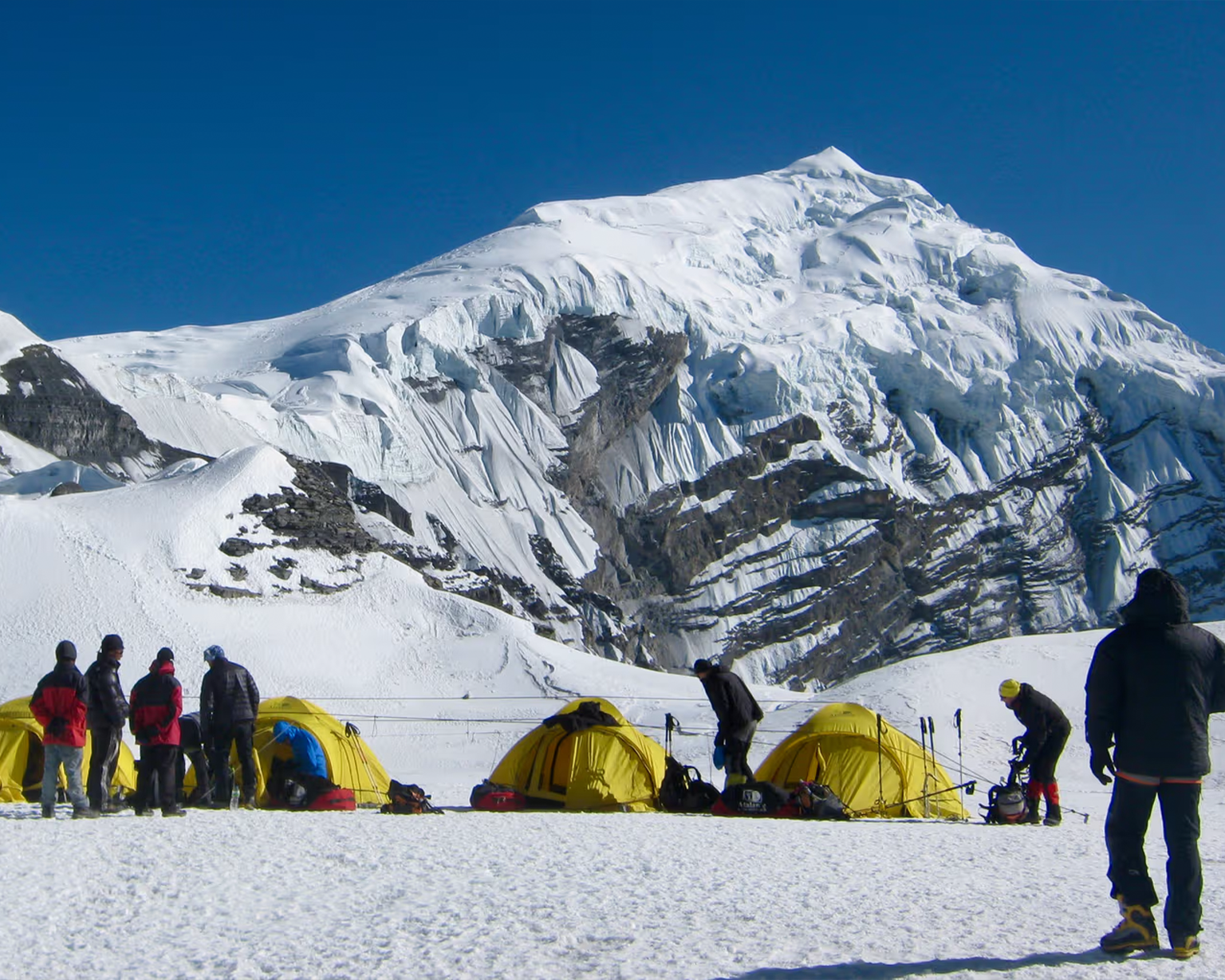
Today’s trek follows the lateral moraine of the Dig Glacier. The trail ascends gradually but steadily, with Mera Peak now clearly visible ahead. Khare is the last permanent settlement and the main base for summit preparations. The afternoon is spent resting and adjusting to the altitude.

A crucial acclimatization and training day. Under the guidance of experienced climbing Sherpas, climbers practice essential mountaineering skills including the use of crampons, ice axes, harnesses, fixed ropes, and glacier travel techniques. Equipment is thoroughly checked, and the summit plan is finalized. Proper rest and hydration are emphasized

The route climbs steeply over rocky terrain and snow-covered slopes to reach Mera High Camp. From this exposed camp, climbers enjoy breathtaking panoramic views of Everest, Lhotse, Makalu, Cho Oyu, and Kanchenjunga. Early dinner and rest are essential in preparation for the summit attempt.

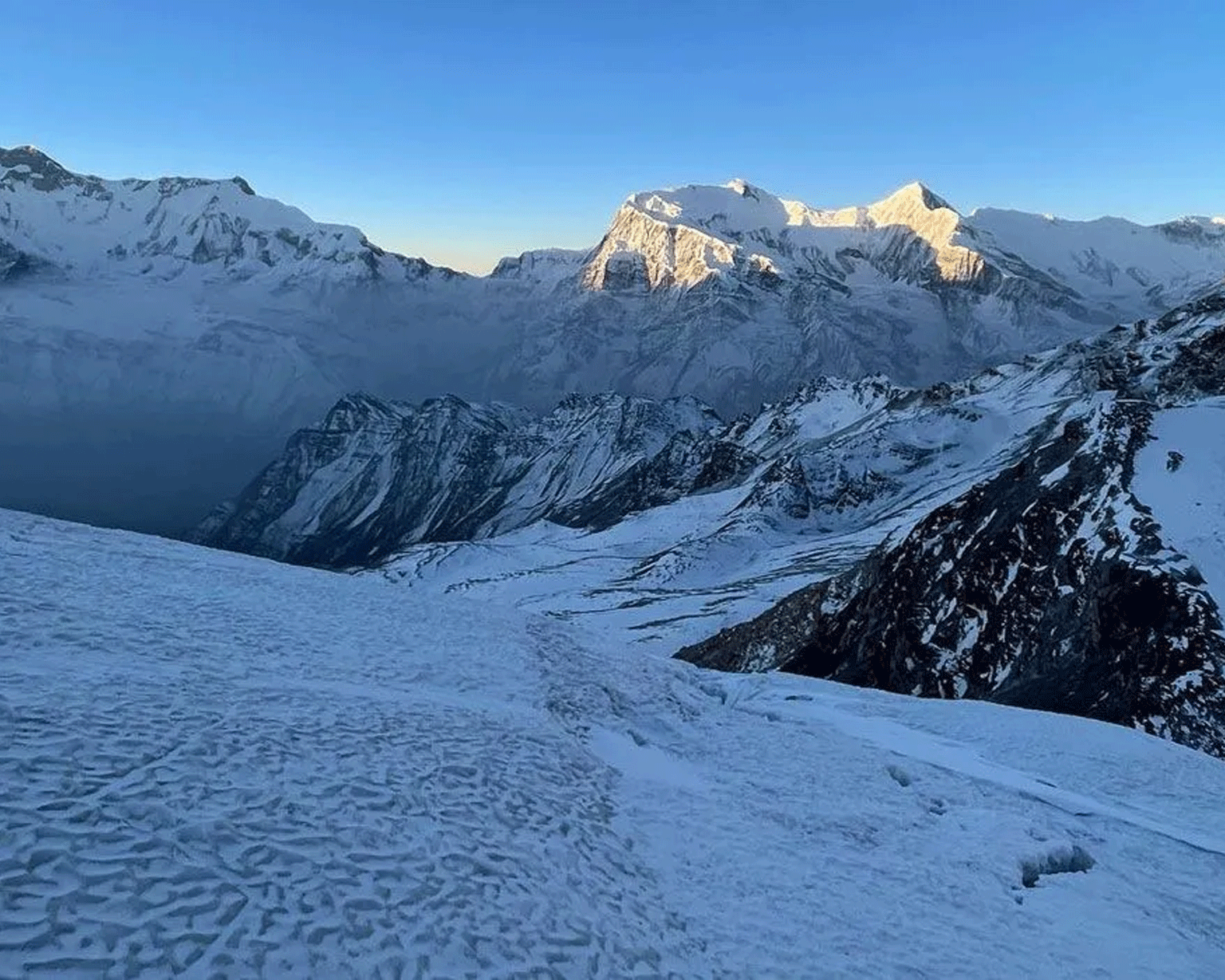
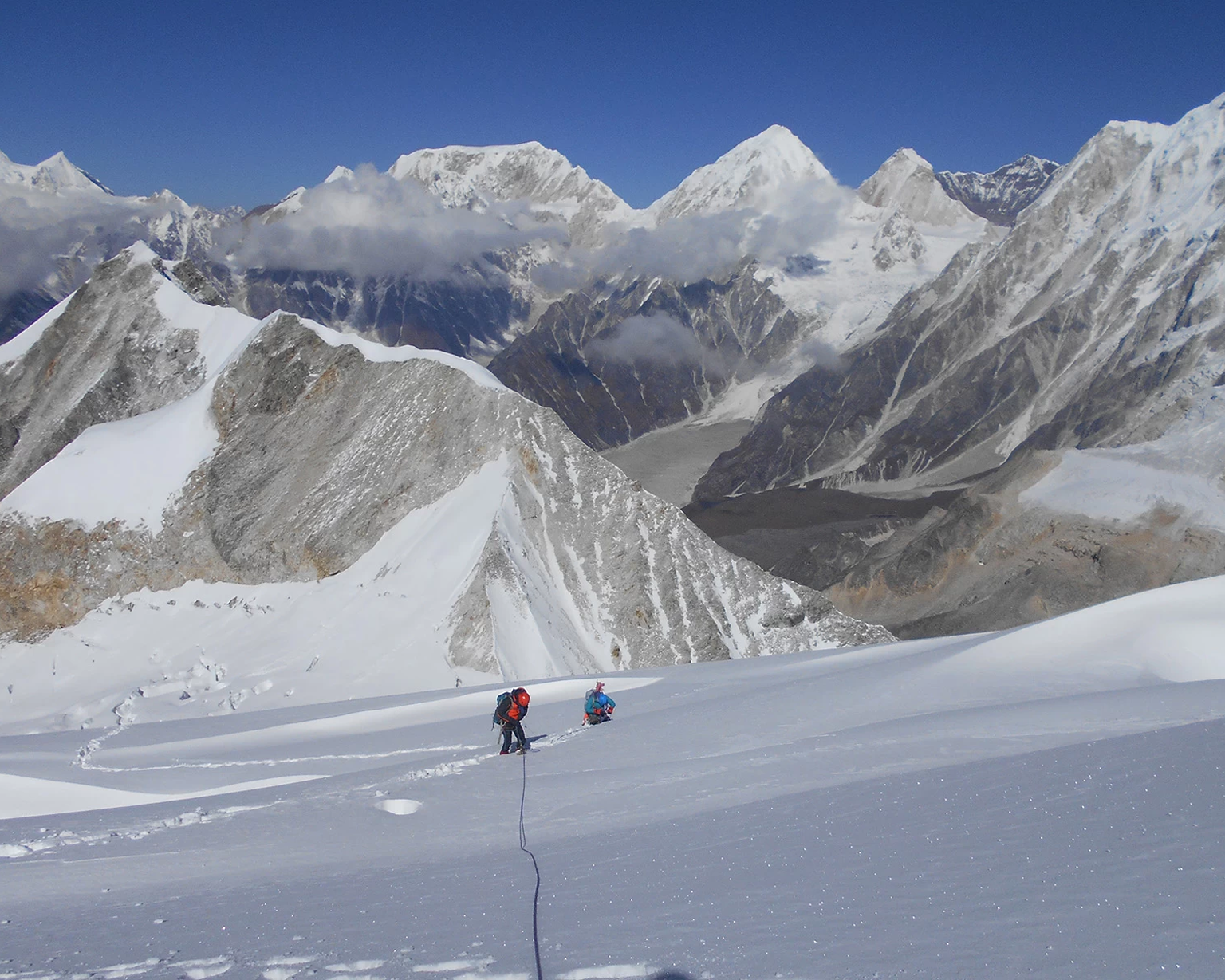
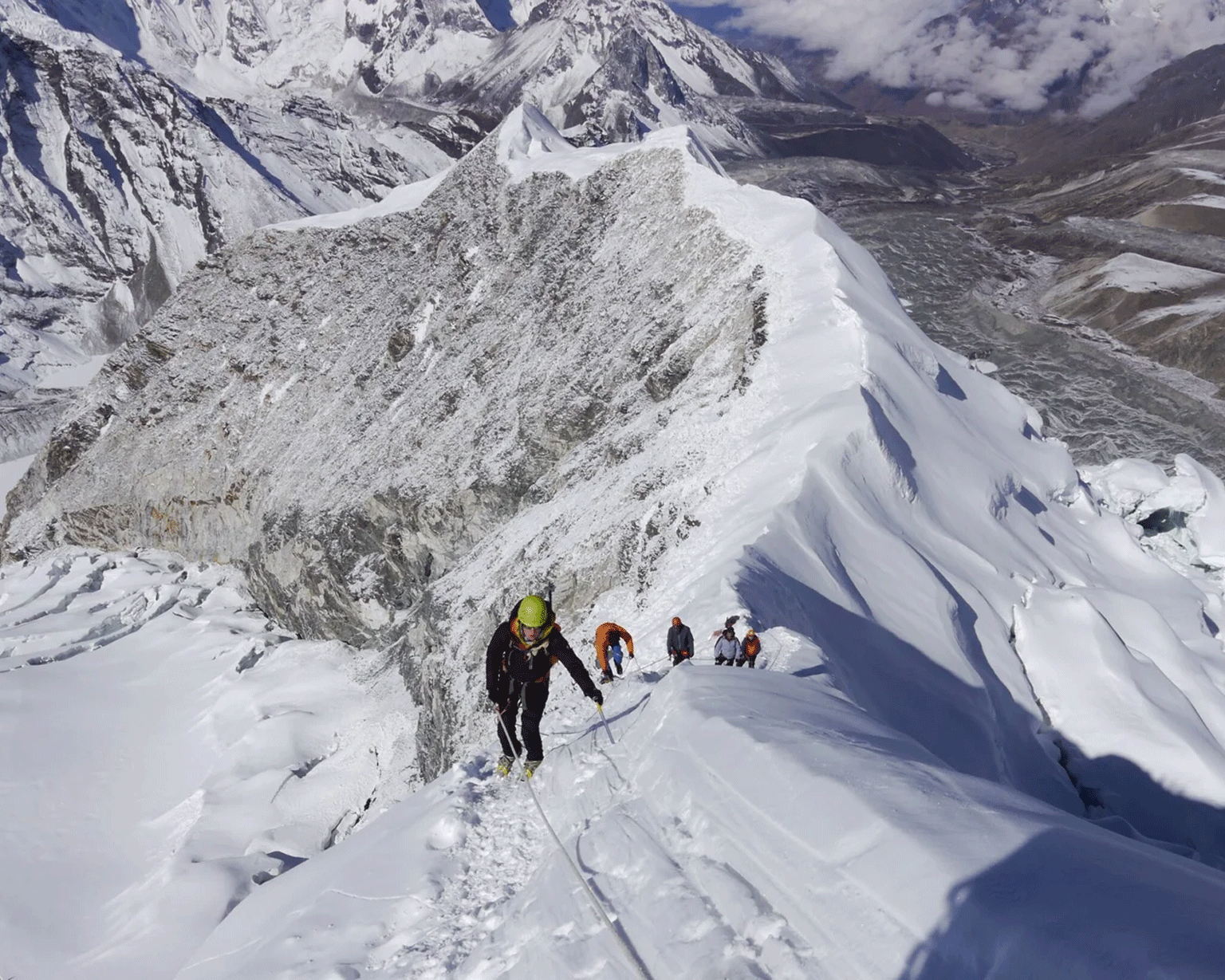
An early midnight start leads the team across glaciated terrain toward the summit. The ascent is gradual but physically demanding due to altitude. Upon reaching the summit of Mera Peak, climbers are rewarded with one of the finest panoramic views in the Himalayas. After celebrating the achievement, the team descends carefully back to High Camp and continues down to Khare for overnight rest.

The descent retraces the route through the Hinku Valley. With decreasing altitude, breathing becomes easier and energy levels improve. The trek to Kothe allows time to relax and reflect on the successful summit experience.

The trail climbs gradually back toward Chetra La, passing through alpine meadows and forested ridges. This section offers changing landscapes and a peaceful trekking atmosphere, marking the final days in the high mountain region.

A long but rewarding trekking day. The route descends steadily toward Lukla, rejoining familiar trails and villages. Upon arrival, the trekking and climbing journey officially concludes. In the evening, the team gathers to celebrate the successful expedition with the local crew

An early morning flight returns you from Lukla to Kathmandu, offering final aerial views of the Himalayas. Transfer to your hotel upon arrival. The rest of the day is free for relaxation and leisure activities.

A well-earned rest day in Kathmandu. Guests may explore cultural heritage sites, enjoy souvenir shopping, relax at cafés, or treat themselves to spa and wellness services. This day also serves as a buffer for any potential flight delays.

According to your international flight schedule, you will be transferred to Tribhuvan International Airport for your onward journey. The expedition concludes with unforgettable memories of standing atop one of Nepal’s most popular trekking peaks.

Package details

What's Included

What's not Included

Why Choose Mera Peak Climbing?

Standing at 6,476m, Mera Peak offers one of the most rewarding summit experiences in the Himalayas, a genuine high-altitude adventure without the extreme technical demands of 8,000m peaks.

Highest Trekking Peak in
Nepal

Stunning 360° Himalayan Panorama

Less Crowded Than Everest Base Camp

Ideal Introduction to Mountaineering

Remote and Untouched
Trails

Achievable summit success rate

Rich Cultural
Experience

Cost-effective
expedition

Book Now

Our experienced guides and expedition team are ready to plan your Mera Peak Climbing. Fill out the form and we’ll get back to you within 24 hours with a tailored proposal.

How Difficult Is Mera Peak Climbing?

Moderate to Strenuous

Mera Peak demands consistent effort over multiple days. While no extreme technical rock climbing is required, you should prepare for long glacier walks and high-altitude conditions.

Effort breakdown

Based on our guides’ experience
Physical Fitness
75%
Technical Skill
40%
Altitude Challenge
80%
Mental Endurance
75%

Best Time for Mera Peak Climbing

Timing your climb makes a significant difference in safety, summit views, and overall experience. Two seasons offer ideal conditions.

Recommended seasons

🌸
Spring (March – May)
Best visibility, stable weather, warm days
🍂
Autumn (Sept – Nov)
Clear skies, dry trails, peak mountaineering season

Seasons to avoid

🌧️
Monsoon (June – Aug)
Heavy rain, trail hazards, poor visibility
❄️
Winter (Dec – Feb)
Extreme cold, deep snow, high avalanche risk

Who Can Climb Mera Peak?

Mera Peak is accessible to motivated trekkers and adventurers without professional climbing backgrounds, but preparation is essential. 

Requirements

Training Includes

Mera Peak Climbing FAQs

Everything you need to know before booking your expedition.

A standard Mera Peak expedition typically takes 16 days from Kathmandu and back. This includes the flight to Lukla, the multi-day trek through the Hinku Valley to base camp, necessary acclimatization rotations to high camp, the summit push, and the return journey to Lukla for your flight back to Kathmandu. Some itineraries extend to 23–24 days to allow extra acclimatization days, which significantly improves your chances of reaching the summit safely. If you are combining Mera Peak with Island Peak or another trekking peak, the total duration can extend to 25–28 days.

Mera Peak is considered one of the safest high-altitude peaks in Nepal, particularly for climbers attempting their first summit above 6,000 meters. The primary risks are altitude sickness, hypothermia, and glacier hazards  all of which are well-managed with experienced licensed guides, proper gear, and a disciplined acclimatization schedule. Reputable agencies follow strict safety protocols including daily health monitoring, pulse oximeter checks, and immediate descent plans if a climber shows signs of acute mountain sickness (AMS). Choosing a registered, experienced trekking agency dramatically reduces risk.

No prior technical climbing experience is required to climb Mera Peak, which is one of the main reasons it is so popular among adventure trekkers looking to step into mountaineering for the first time. However, previous trekking experience at an altitude ideally above 4,000 meters is strongly recommended. Climbers who have completed treks like the Everest Base Camp trek or the Annapurna Circuit Trek are generally well-prepared. Basic skills such as crampon use, ice axe handling, and rope techniques are taught by your guide during the trek and at base camp before the summit push.

The summit success rate for Mera Peak is approximately 70–80% for climbers who are well-prepared and follow the recommended acclimatization schedule. Spring (March–May) tends to have the highest success rates due to stable weather windows and favorable climbing conditions. The success rate can be lower for those who rush the acclimatization process, attempt the climb during off-season months, or lack adequate physical preparation. Climbing with an experienced, certified guide and following a properly structured itinerary are the two biggest factors that improve summit success.

Temperatures on Mera Peak vary significantly depending on altitude and season. At base camp (around 5,350m), daytime temperatures in spring can range from -5°C to 5°C, while nights drop to around -10°C to -15°C. At high camp (5,780m), temperatures regularly fall below -15°C to -20°C at night. On summit day at 6,476m, with wind chill factored in, the perceived temperature can drop to -30°C or lower. This makes proper layering and high-quality cold-weather gear absolutely essential. A four-season sleeping bag rated to at least -20°C, insulated down suit, and quality mountaineering boots are non-negotiable for a safe and comfortable climb.

To climb Mera Peak, you need two main permits. First, a Mera Peak climbing permit issued by the Nepal Mountaineering Association (NMA), which costs USD 250 per person for the spring and autumn seasons. Second, a Makalu Barun National Park entry permit, as the trekking route passes through this protected conservation area. Additionally, you will need a TIMS (Trekkers’ Information Management System) card. Most reputable trekking agencies handle all permit arrangements as part of their package, so you do not need to organize these individually.

he essential gear list for Mera Peak includes mountaineering boots (compatible with crampons), a harness, crampons, ice axe, helmet, and jumar (ascender) for glacier travel. For clothing, you will need a high-quality down suit or equivalent layering system, insulated gloves and mittens, balaclava, and UV-protection goggles or glacier glasses. A four-season sleeping bag rated to -20°C or lower is essential. Most agencies provide technical climbing equipment such as fixed ropes, carabiners, and belay devices as part of their package, but always confirm what is included before booking. Trekking poles, a good headlamp with spare batteries, and a quality daypack are also important.


The most popular route to Mera Peak begins with a flight from Kathmandu to Lukla, followed by a trek through Chutanga, Tuli Kharka, Kothe, Thangnak, and Khare before reaching Mera Peak base camp. The ascent to the summit follows the Mera Glacier via high camp at around 5,780m. The final push to the summit (6,476m) involves glacier walking and is typically done in the early morning hours to take advantage of stable weather and firm snow conditions. The route is non-technical by mountaineering standards, though it does cross crevassed glacier terrain that requires careful navigation with a guide.

Yes, Mera Peak is commonly combined with Island Peak (Imja Tse, 6,189m) for climbers looking to summit two trekking peaks in one trip. This combination is known as the Mera and Island Peak combo trek and typically takes 25–28 days. Some itineraries also include a detour through the Everest Base Camp region. Combining peaks requires a higher level of fitness and experience, and proper acclimatization planning becomes even more critical. It is also possible to trek the Hinku and Hongu valleys as extensions for those who want a longer, more remote wilderness experience.

Physical preparation for Mera Peak should begin at least 3–4 months before your expedition. Focus on cardiovascular endurance training such as running, cycling, swimming, or stair climbing with a weighted pack. Long weekend hikes on varied terrain help condition your legs and joints for multi-day trekking. Strength training for your core, legs, and upper body will help you handle the demands of glacier travel and summit day. If possible, training at altitude or doing a shorter high-altitude trek beforehand is extremely beneficial. Mental preparation is equally important on summit day on Mera Peak is long, cold, and demanding, and the ability to stay calm and focused under physical stress plays a major role in success.

You May Also Like

Our guiding team’s top recommendation for the current season selected for optimal conditions, timing, and overall climbing quality.