Altitude
6584m

Co-ordinates
28.7350° N, 84.0500° E

Duration
14 Days

Best Season
Spring and Autumn

Activity
Peak Climbing

Trip Grade
Moderate to Difficult
Chulu East Peak Climbing
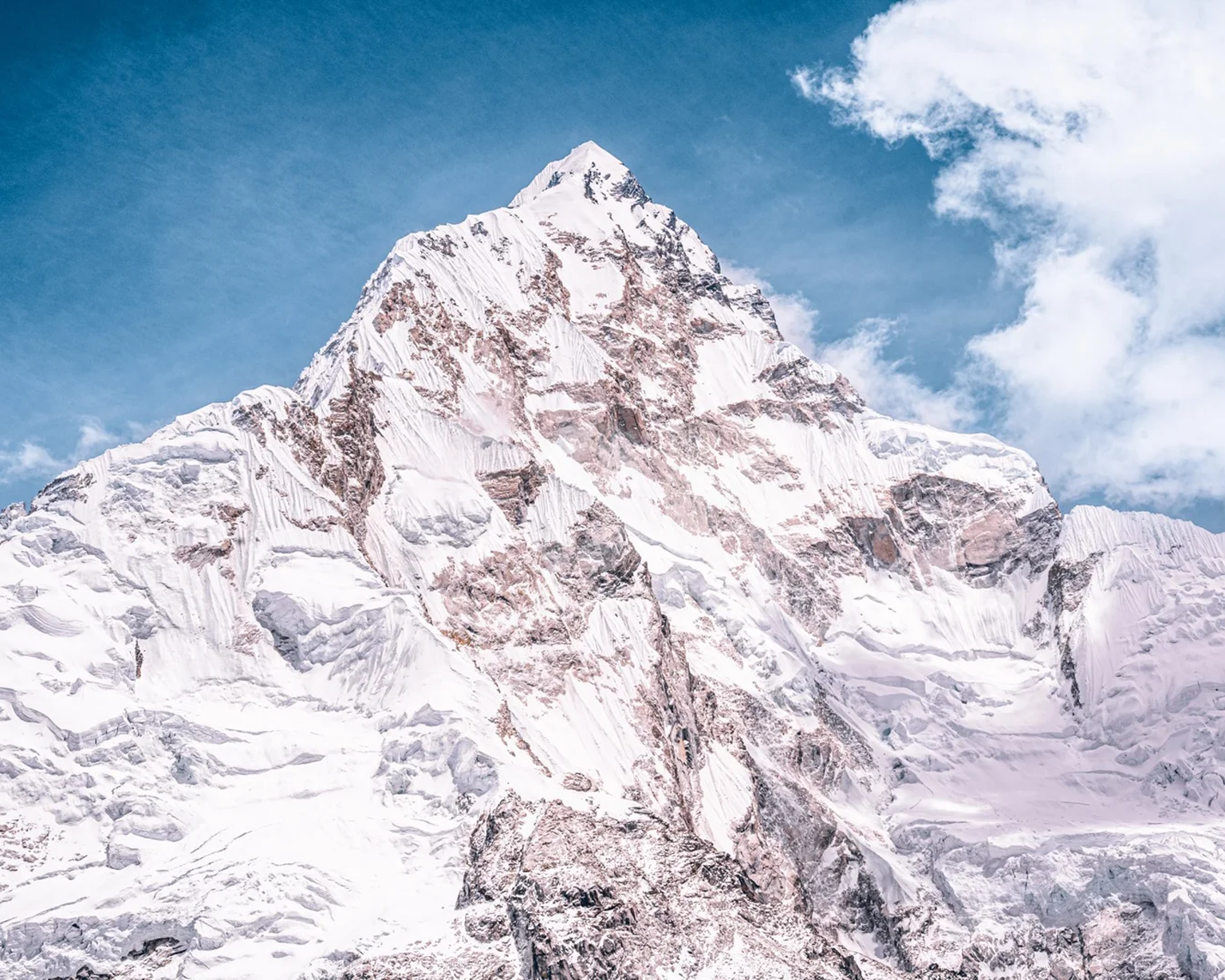
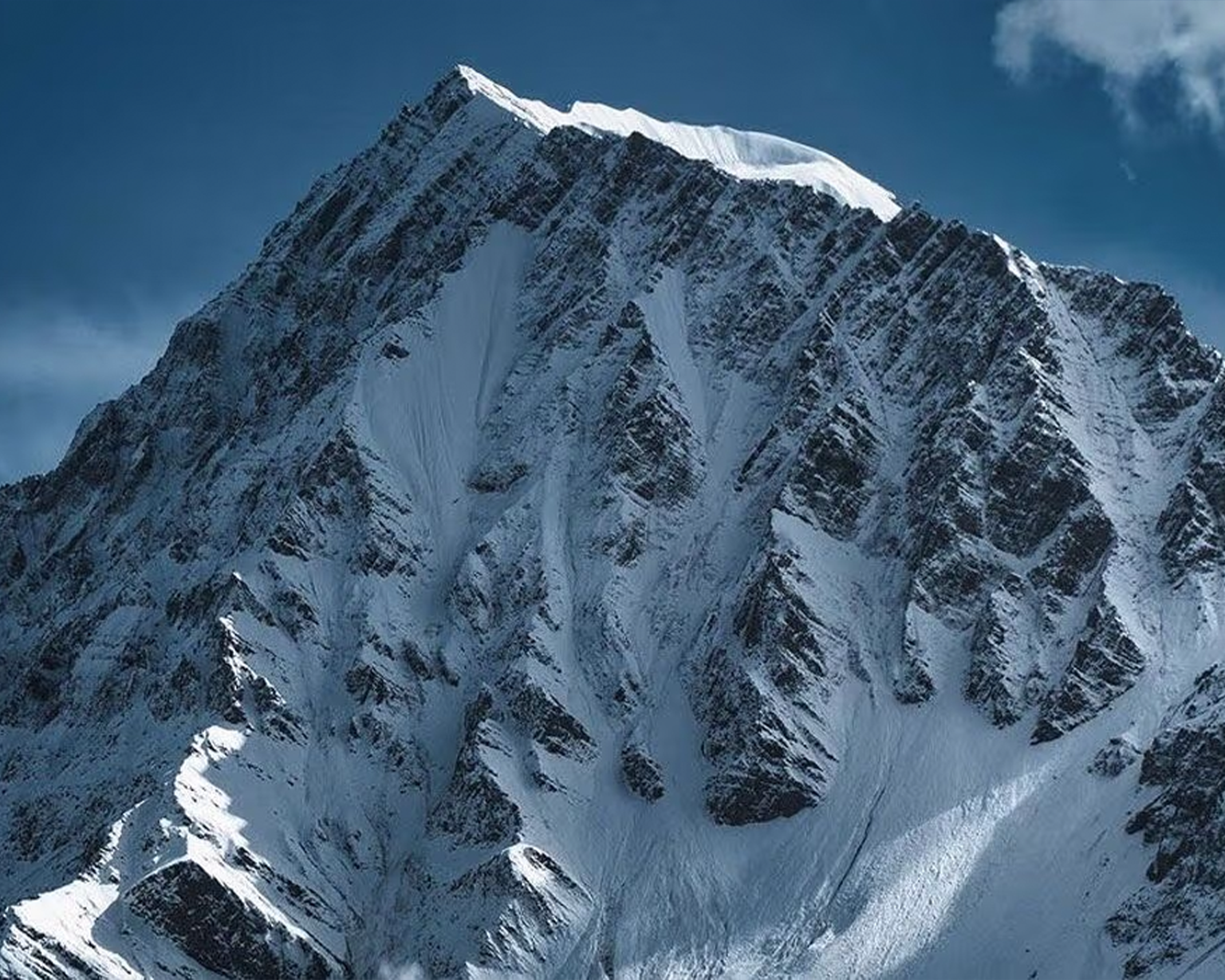
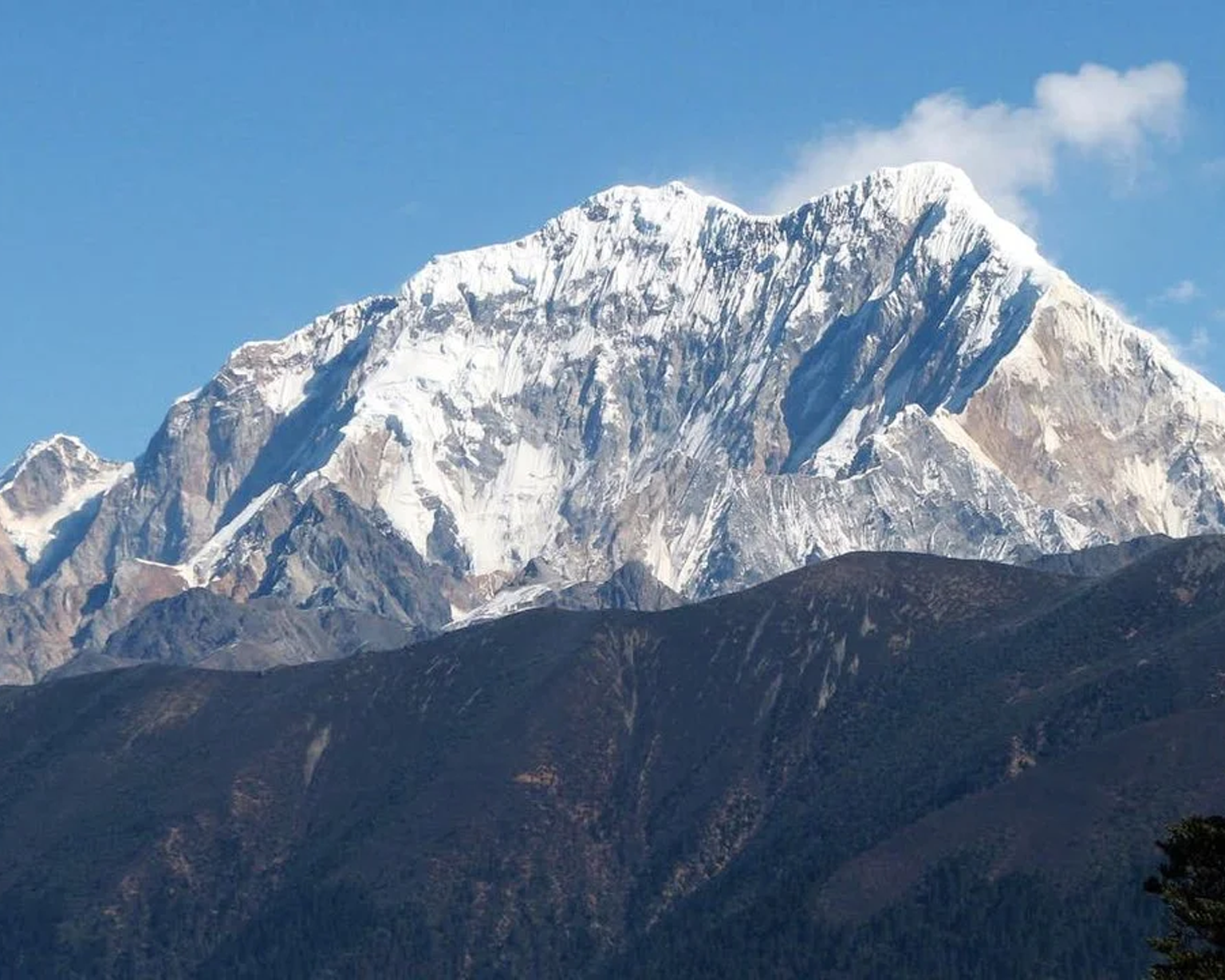
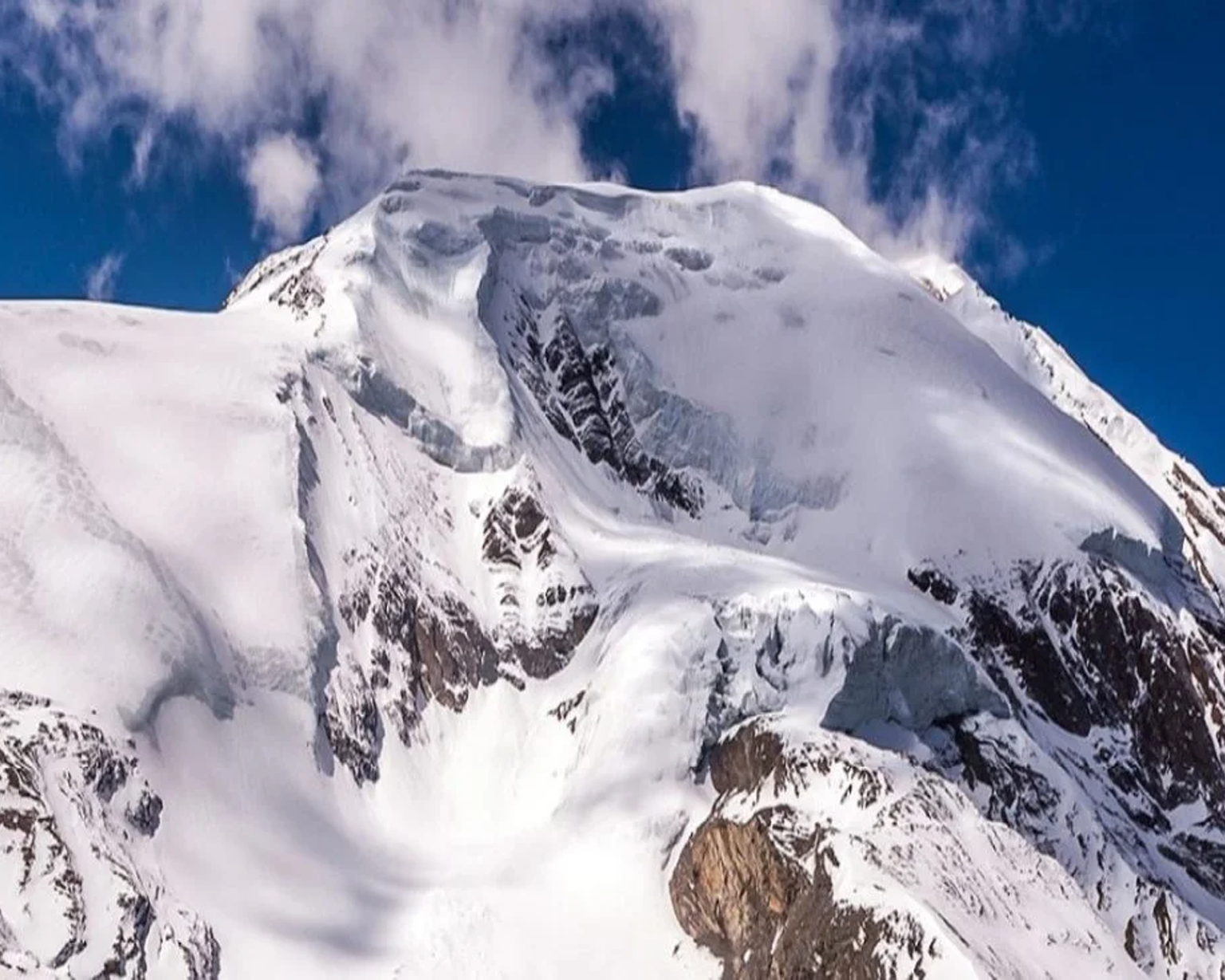
In the Annapurna region, Chulu East Peak (6,584m) is a popular trekking peak. For those who want to combine the Annapurna Circuit with a true Himalayan climb, it is an excellent choice.
The trip passes through stone villages, yak pastures, and open alpine terrain, along with the arid valleys of Manang. As you go higher, the trail gives way to glaciers and hard snow, where the mountain shows its true character.
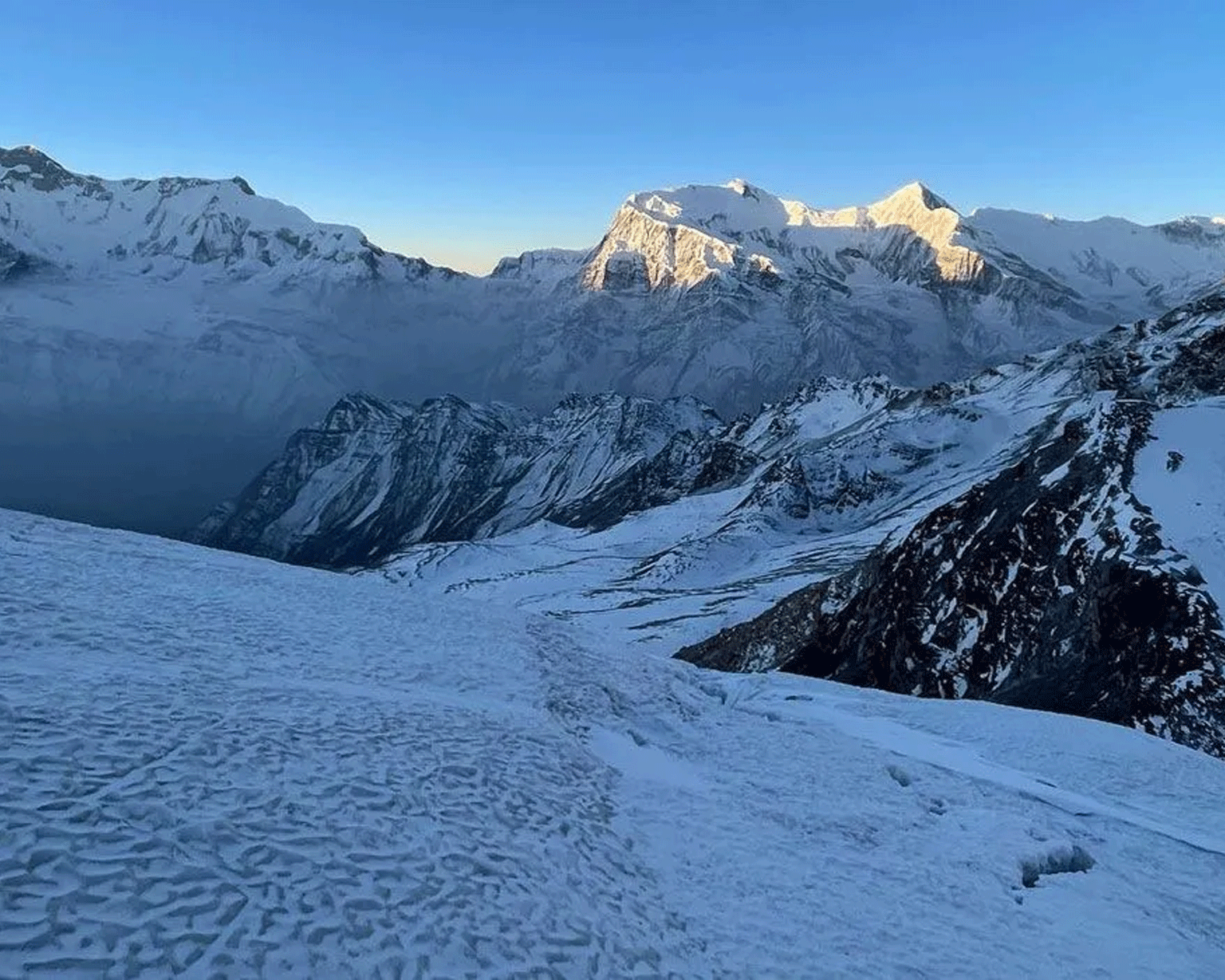
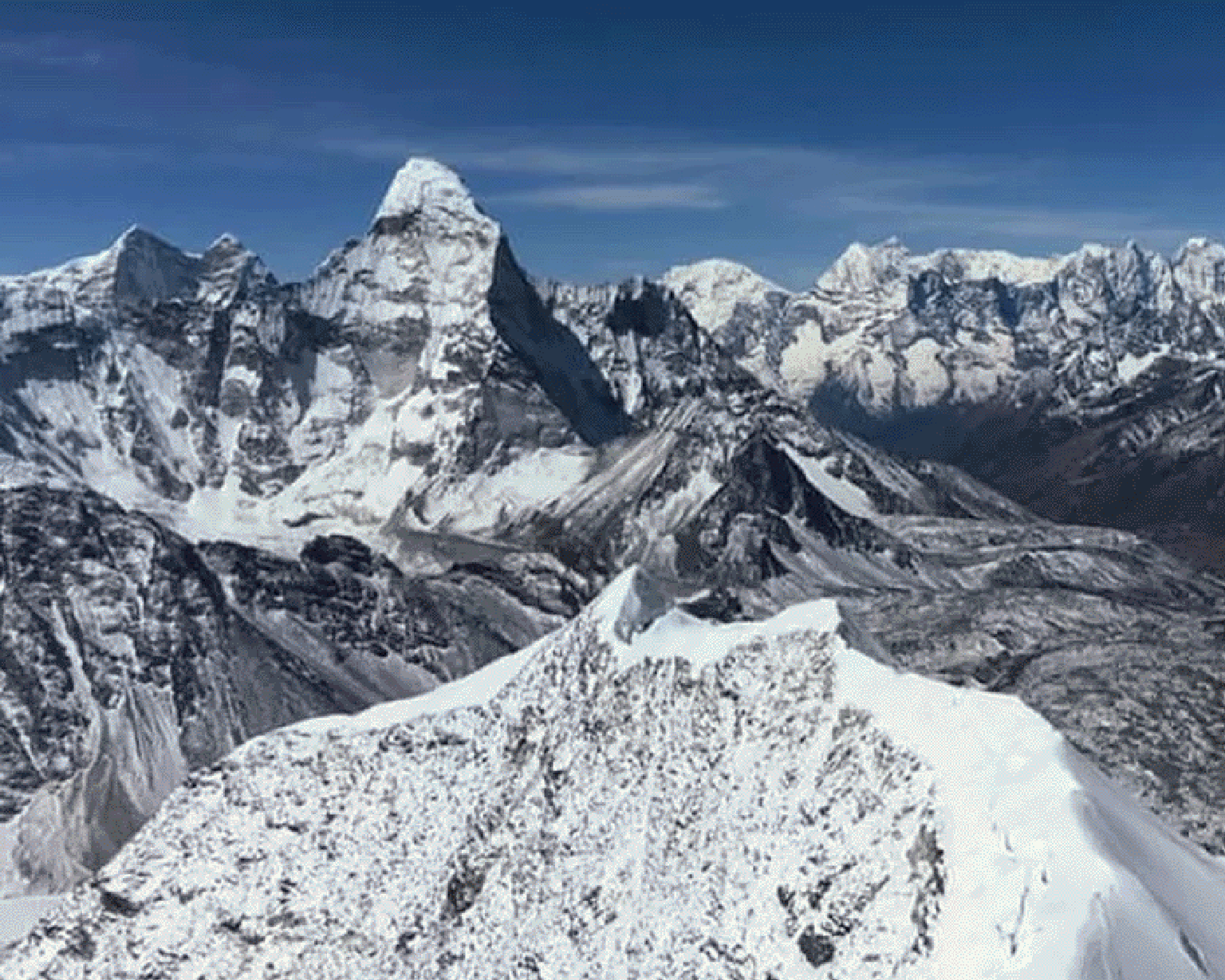
From the summit, you get wide views of Annapurna II, III, IV, Gangapurna, and Tilicho Peak. The climb is more demanding than basic trekking peaks, but remains within reach for fit, well-acclimatised climbers willing to put in the effort.
Upon arrival at Tribhuvan International Airport (TIA), complete your Nepal entry visa formalities at the immigration counter. Our representative will warmly welcome you in the arrivals hall and escort you to your hotel in Kathmandu. After check-in, you can rest and recover from your international journey. In the evening, a short briefing may be conducted to introduce the climbing program and overall trip plan.
This day is reserved for final preparation and administrative arrangements. Our team will complete all required climbing permits and Annapurna Conservation Area paperwork. A thorough equipment check will be carried out to ensure all personal trekking and technical climbing gear meets safety standards. You will meet the climbing leader for a detailed briefing covering the route, acclimatization schedule, climbing strategy, and safety measures.
After an early breakfast, begin a scenic drive from Kathmandu to Chame, passing through picturesque hills, river valleys, and traditional villages. The journey follows the Marshyangdi River and offers beautiful views of terraced farmland and waterfalls. Upon arrival in Chame, the administrative center of Manang district, check into a lodge and relax. Overnight at a lodge.
The trek starts with a gradual ascent through pine forests and along the Marshyangdi River. The trail passes dramatic rock faces and narrow gorges before opening into wide alpine landscapes. As you approach Pisang, stunning views of Annapurna II and Pisang Peak dominate the skyline. Overnight at a lodge in Pisang.
Today’s trek follows the upper Pisang route, offering spectacular panoramic views of Annapurna II, III, IV, Gangapurna, and Tilicho Peak. The trail climbs steadily through traditional villages and dry alpine terrain. Ngawal is a peaceful village with excellent acclimatization conditions and breathtaking mountain scenery. Overnight at a lodge.
This is an important acclimatization day to help your body adjust to the increasing altitude. Optional short hikes to nearby ridges or viewpoints are recommended to gain altitude gradually while returning to sleep lower. The rest of the day is spent resting, hydrating, and preparing for higher elevations ahead. Overnight at a lodge.
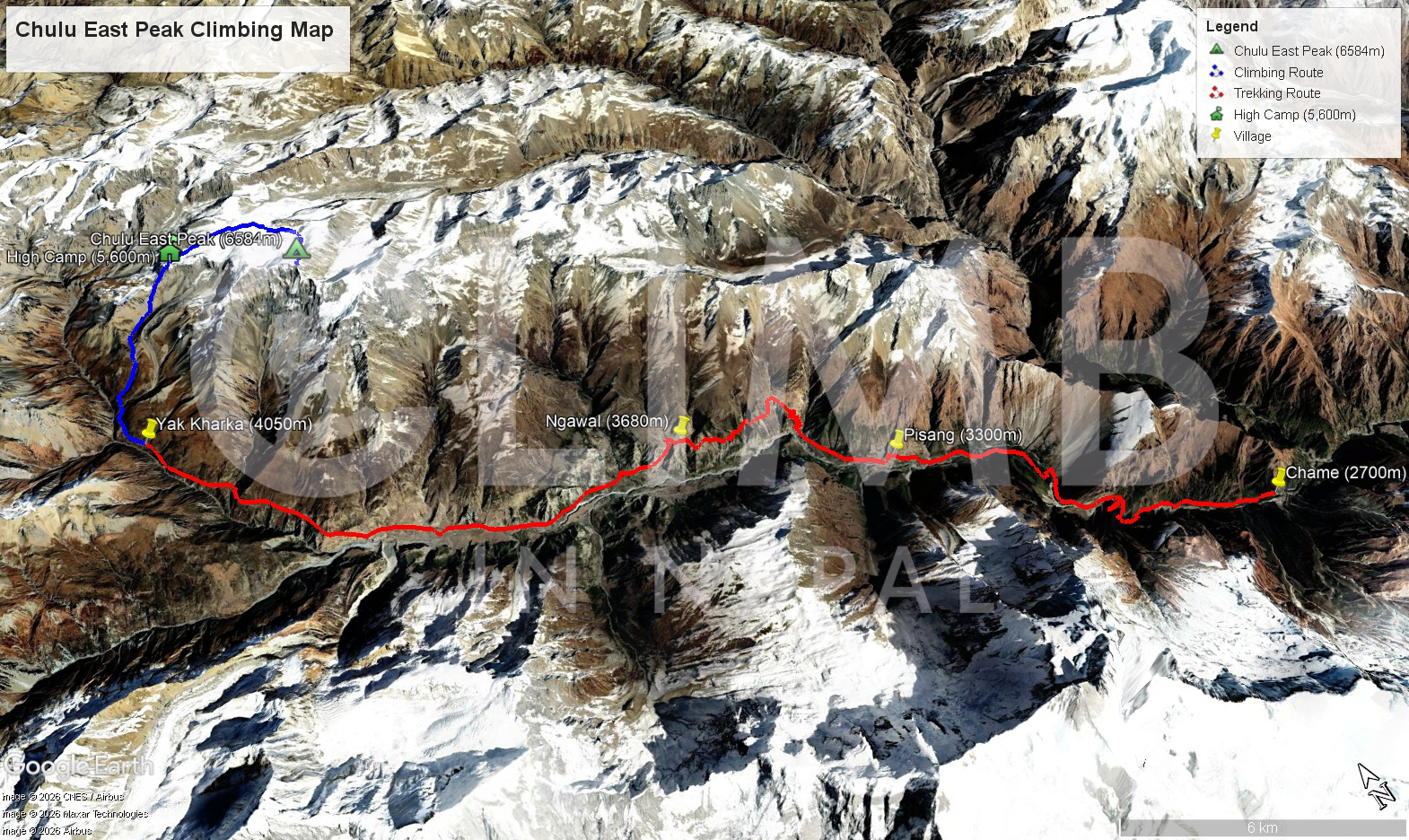
Leaving Ngawal, the trail gradually ascends through high alpine landscapes with wide open valleys and sparse vegetation. The views become more dramatic as you approach Yak Kharka, a seasonal grazing area surrounded by towering peaks. The pace is slow and steady to support proper acclimatization. Overnight at a lodge or tented camp.
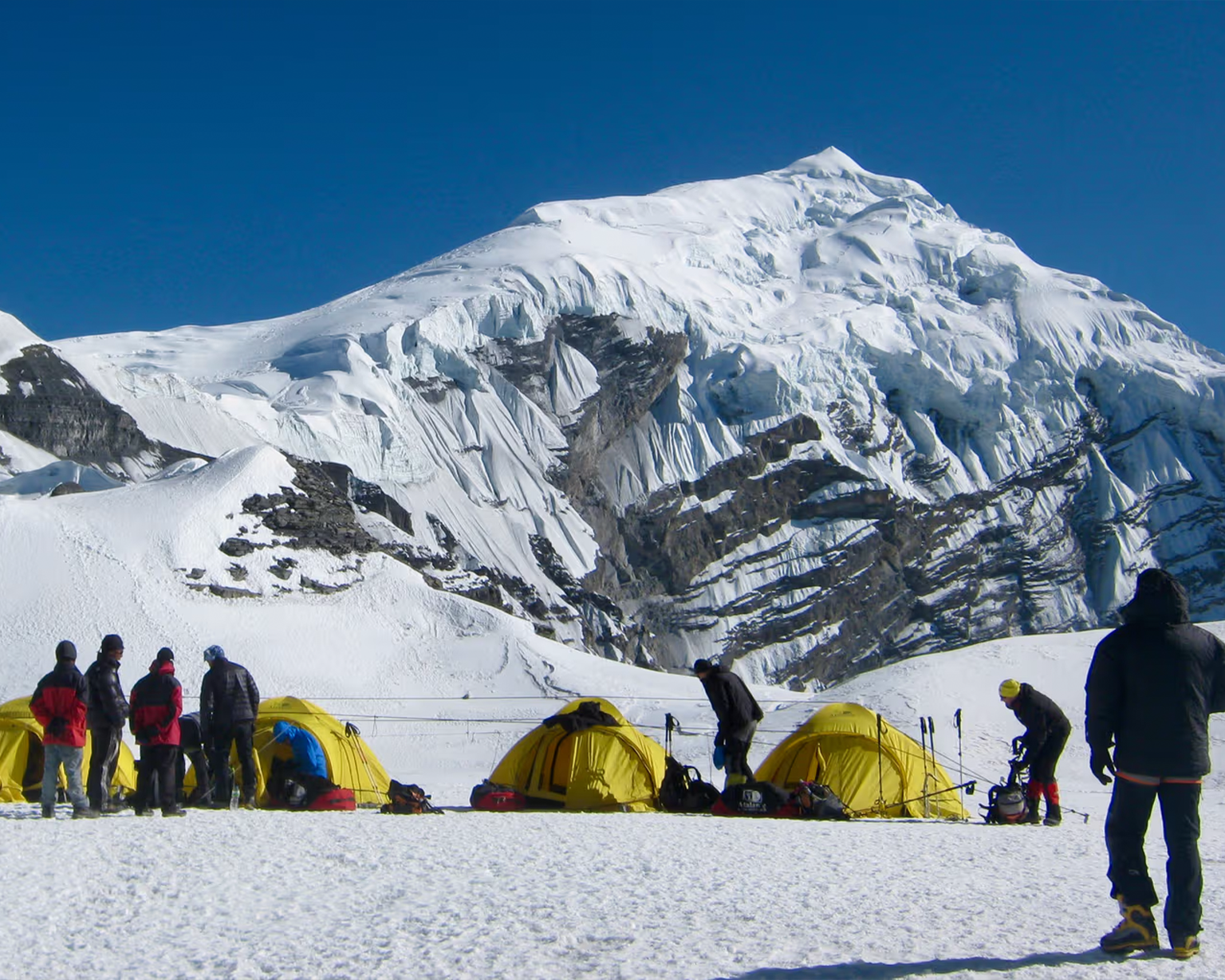
Today is a challenging ascent as you move toward High Camp. The trail climbs over rocky terrain and moraines with increasing altitude. Upon reaching High Camp, the climbing team sets up tents and prepares all necessary equipment for summit day. The remainder of the day is spent resting, hydrating, and finalizing preparations. Overnight in tents.
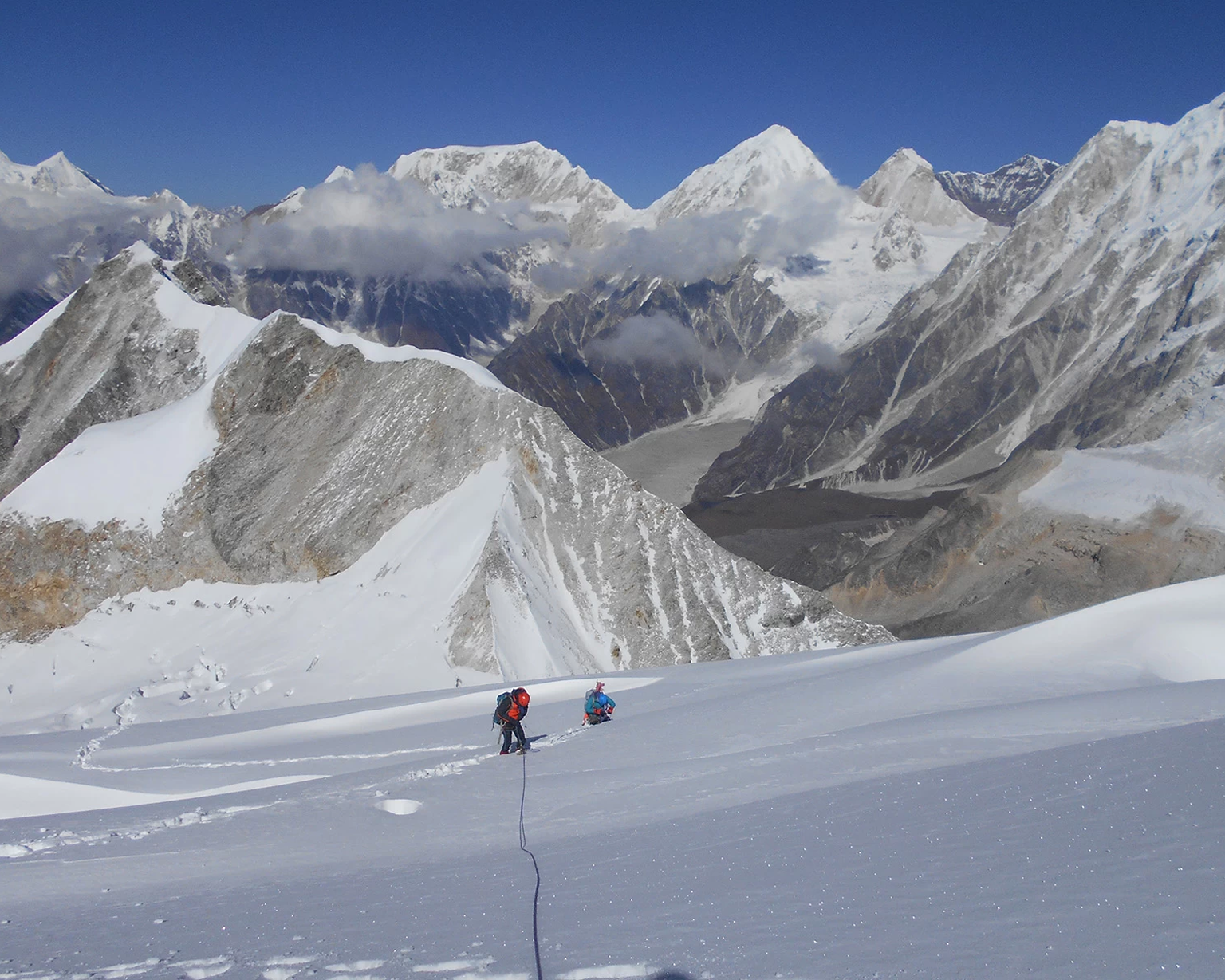
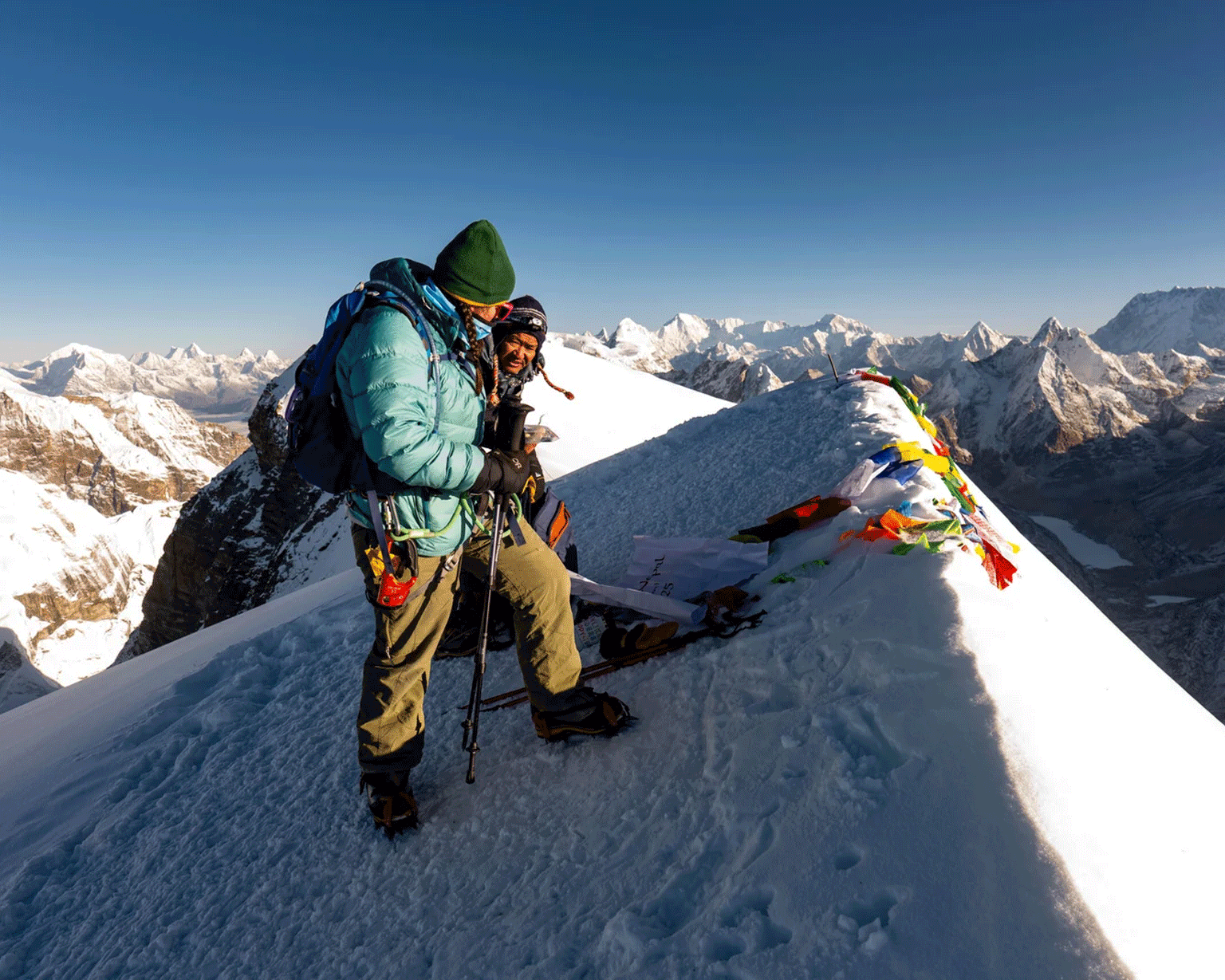
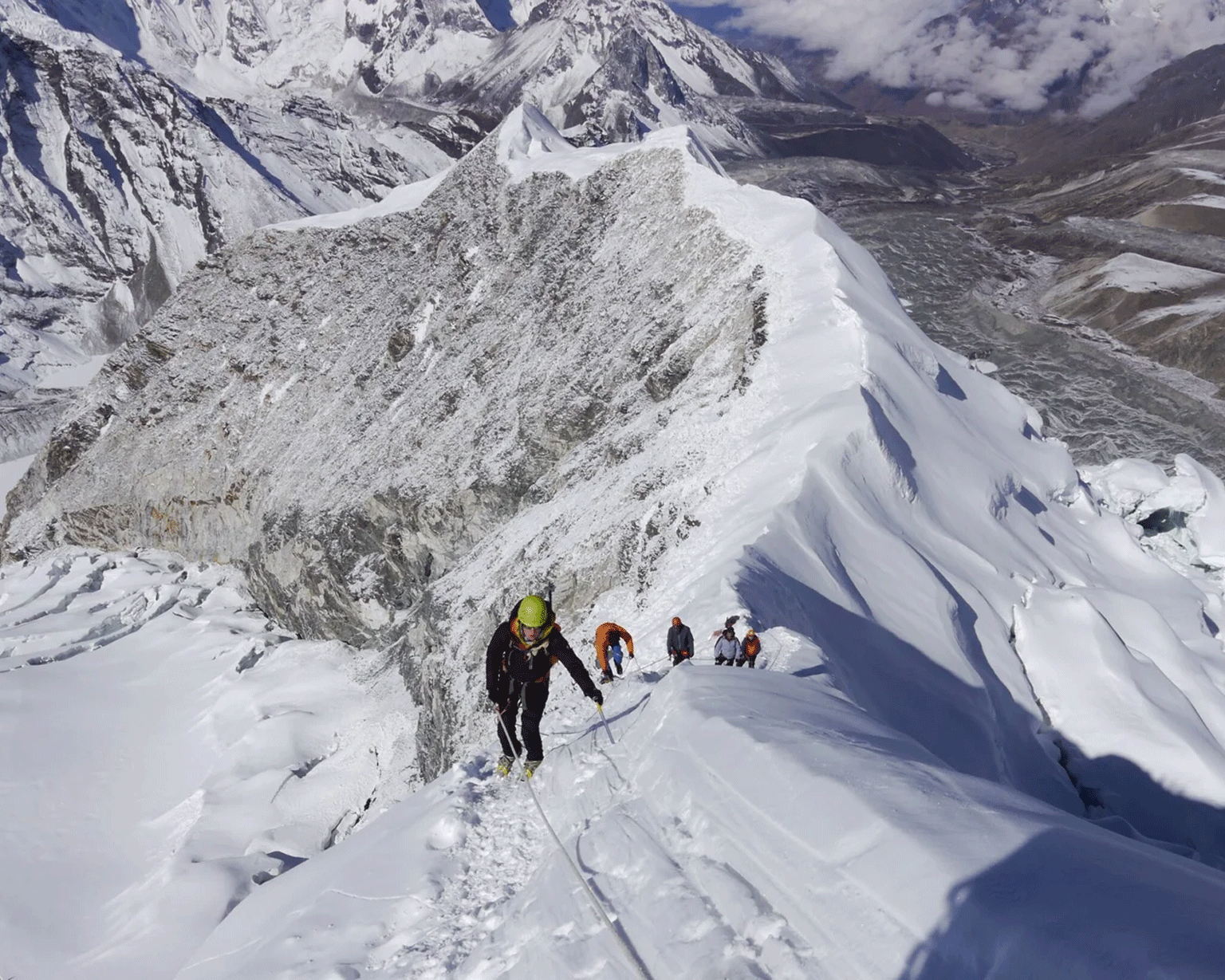
An early alpine start begins the summit push, usually before dawn. The climb involves snow slopes and glacial terrain, requiring the use of crampons, ice axe, and fixed ropes under the guidance of experienced climbing guides. From the summit, enjoy breathtaking panoramic views of Annapurna II, III, IV, Gangapurna, Manaslu, and surrounding Himalayan giants. After a successful summit, descend carefully back to High Camp and continue down to Ngawal. Overnight at a lodge.
This day is kept as a buffer in case of unfavorable weather conditions or any delays during the summit attempt. If unused, it can be used for additional rest, exploration, or a relaxed descent. Overnight at a lodge
After breakfast, trek down to Humde, passing through scenic villages and alpine landscapes. From Humde, begin the drive toward Besisahar, enjoying the changing scenery as you descend into lower elevations. Overnight at a lodge or hotel.
After breakfast, drive back to Kathmandu following the Marsyangdi and Trishuli river valleys. Upon arrival, transfer to your hotel. The rest of the day is free for relaxation, souvenir shopping, or celebrating the successful climb. Overnight at a hotel.
A well-deserved rest day in Kathmandu. Optional activities include sightseeing around Kathmandu Valley, visiting UNESCO World Heritage sites, enjoying spa treatments, or attending a farewell dinner with the expedition team. This day also serves as a contingency for road delays. Overnight at a hotel.
According to your international flight schedule, you will be transferred to Tribhuvan International Airport for your onward journey. The Chulu East Peak climbing adventure concludes with unforgettable memories of the Annapurna region and Himalayan summit success.
What's Included
- Airport pick-up and drops off.
- Two nights in a standard marriott hotel in Kathmandu with breakfast.
- Three meals a day breakfast, lunch, and dinner during the trek.
- Fresh fruit every evening after dinner.
- Room service are available during trekking.
- All necessary peak climbing permit.
- Highly experienced, friendly, English-speaking government.
- Chulu Far East Peak climbing permit.
- Guide and porters with walking equipment, salary, food, accommodation, and insurance.
- First aid kit available.
- Government taxes and official expenses.
- Domestic flight one way.
What's not Included
- Nepal entry visa fee.
- Personal travel and medical insurance.
- International airfare.
- Personal expenses.
- All alcoholic and non-alcoholic drinks are available during the trek.
- Desserts and sweet items like as chocolate, cake, pie, pudding.
- Hot showers and battery charges.
- Tips for guide, porter, and driver.
Why Choose Chulu East Peak Climbing?
Chulu East is not just a trekking peak with a high altitude tag. It is a genuine mountaineering objective set inside one of Nepal’s most celebrated trekking regions, where the approach is as rewarding as the summit itself.
🏔️
Higher than most trekking peaks
🔭
Spectacular Annapurna panorama
🧘
Combined with the Annapurna Circuit
⛏️
More technical than basic trekking peaks
🌿
Less commercial than Everest region peaks
🌿
Rich cultural immersion
🌿
Strong summit success rate
🌿
Exceptional value expedition
Book Now
Our experienced guides and expedition team are ready to plan your Chulu East Peak climbing. Fill out the form and we’ll get back to you within 24 hours with a tailored proposal.
How Difficult Is Chulu East Peak Climbing?
Moderate to Strenuous
Chulu East sits at the harder end of Nepal’s trekking peaks. The altitude is serious, the glacier terrain demands focus, and the summit push requires real physical output. This is the right step up for trekkers who have outgrown standard routes.
- 6–8 hours of trekking per day on varied terrain
- Glacier travel, fixed rope climbing, and crampon use required
- Proper acclimatization the Annapurna Circuit approach helps significantly
- Basic rope handling and ice axe techniques essential
- Higher technical demand than Mera Peak or Island Peak
Effort breakdown
Best Time for Chulu East Peak Climbing
The Annapurna region has its own weather patterns shaped by the surrounding massif. Choosing the right season is the difference between a clear summit and a weather-bound camp.
Recommended seasons
🌸
Best visibility, stable weather, firm snow conditions on the glacier
🍂
Clear skies after the monsoon, settled weather, October is peak season
Seasons to avoid
🌧️
Monsoon (June – Aug)
Heavy rain, hazardous glacier approaches, poor visibility
❄️
Winter (Dec – Feb)
Extreme cold, deep snow at altitude, high avalanche risk on upper mountain
Who Can Climb Chulu East Peak?
Chulu East demands more than enthusiasm. It is suited to trekkers who have already spent time at altitude and are ready to take their first real steps into technical mountaineering.
Requirements
- Good to excellent physical fitness and cardiovascular endurance
- Previous trekking experience above 4,500m strongly recommended
- Completion of a major trek such as Everest Base Camp or Annapurna Base Camp is ideal preparation
- Basic mountaineering knowledge or willingness to learn on the approach
Training Includes
- Crampon fitting and glacier travel techniques
- Ice axe use and self-arrest practice
- Fixed rope and jumar (ascender) technique
- High-altitude breathing and pacing strategies
- Rope team movement on steep snow slopes
Chulu East Peak Climbing FAQs
Everything you need to know before booking your expedition.
The standard Chulu East Peak expedition runs 14 days from Kathmandu and back. This includes the drive to Chame, the multi-day Annapurna Circuit approach through Pisang, Ngawal, and Yak Kharka, an acclimatization day, the high camp push, summit day, and the return drive to Kathmandu. A reserve day for bad weather is built into the itinerary. For climbers who want additional acclimatization time or wish to extend the Annapurna Circuit section, the trip can be extended to 16–18 days without significantly increasing difficulty.
Chulu East is a serious high-altitude objective and carries more technical risk than beginner trekking peaks like Island Peak Climbing or Mera Peak Climbing. The main hazards are altitude sickness, crevassed glacier terrain, steep snow slopes, and rapidly changing weather in the Annapurna region. All of these risks are well-managed when climbing with experienced, certified guides who follow proper acclimatization schedules, conduct daily health checks, and carry emergency equipment including supplemental oxygen and a comprehensive first aid kit. Choosing a registered, government-licensed agency with documented experience on Chulu East is the single most important safety decision you can make.
Chulu East Peak is more technically demanding than most introductory trekking peaks and prior high-altitude trekking experience is strongly recommended. Climbers who have completed the Everest Base Camp trek, Annapurna Base Camp trek, or a similar route above 4,500m will arrive with the altitude familiarity needed to push higher. Prior experience with crampons and ice axes is helpful but not mandatory your climbing guide will provide thorough training during the approach and at base camp. However, if you have never trekked above 4,000m, Chulu East is not the ideal first high-altitude objective. A more graduated approach, starting with a lower peak or major trek, is strongly advised.
The summit success rate for Chulu East Peak is generally estimated at 60–75% for well-prepared climbers. It is lower than peaks like Mera Peak or Island Peak due to the higher technical demands and more complex glacier terrain. Success rates are highest in spring, when weather windows are more predictable and snow conditions on the upper mountain are firmer. The most common reasons for failed summit attempts are inadequate acclimatization, poor weather on summit day, and underestimating the physical demands of the final push from high camp at 5,600m to the summit at 6,584m a significant vertical gain that takes most climbers 6–8 hours in challenging conditions.
Temperatures on Chulu East vary significantly with altitude and season. At the Ngawal and Yak Kharka section of the approach (3,500–4,050m), daytime temperatures in autumn are mild, ranging from 5°C to 15°C, with nights dropping to -5°C. At high camp (5,600m), overnight temperatures regularly fall to -15°C to -20°C. On summit day at 6,584m, with wind chill, temperatures can drop below -25°C to -30°C or lower. The Annapurna region is also known for strong afternoon winds that increase the wind chill factor considerably. A high-quality down suit, four-season sleeping bag rated to at least -20°C, double-layer mountaineering boots, and insulated mittens are non-negotiable for safe and comfortable climbing.
Three main permits are required for a Chulu East Peak expedition. First, the Chulu East Peak climbing permit issued by the Nepal Mountaineering Association (NMA). Second, the Annapurna Conservation Area Permit (ACAP), as the entire trekking route passes through this protected conservation zone. Third, a TIMS (Trekkers’ Information Management System) card is required for all trekkers on the Annapurna Circuit. Most reputable trekking agencies include all permit arrangements within their package fee, handling the paperwork on your behalf so you can focus entirely on preparation and acclimatization.
The essential technical gear list for Chulu East Peak includes mountaineering boots compatible with step-in crampons, crampons, ice axe, climbing harness, helmet, jumar ascender, carabiners, and a belay device. For clothing, a high-quality down suit or equivalent four-season layering system is essential, along with insulated gloves and overmitts, a balaclava, glacier goggles, and UV-protective sunscreen. A four-season sleeping bag rated to -20°C or colder is required for high camp. Most agencies provide shared technical equipment such as fixed ropes and anchor gear as part of the package. Personal items including trekking poles, a reliable headlamp with spare batteries, a quality daypack, and a hydration system are also important for a comfortable and safe expedition.

The standard route to Chulu East Peak follows the Annapurna Circuit from Chame through Pisang and Ngawal before branching off toward Yak Kharka and High Camp at approximately 5,600m. The summit push from high camp involves traversing glaciated terrain, ascending steep snow slopes, and navigating crevassed sections of the upper mountain. The final approach to the summit ridge requires confident use of crampons and fixed ropes. The descent follows the same route back to high camp, then down to Ngawal before rejoining the main Annapurna Circuit trail for the return journey. The route is considered moderate to difficult by trekking peak standards and should not be attempted without a certified guide.
Yes, and this is one of the most compelling aspects of Chulu East Peak. The approach naturally follows the Annapurna Circuit, meaning the climb integrates seamlessly with one of the world’s greatest trekking routes. Many climbers extend the itinerary to complete the full Annapurna Circuit including the Thorong La pass crossing (5,416m), adding 5–7 days to the overall trip. Chulu East is also sometimes combined with Pisang Peak (6,091m) for climbers looking to summit two peaks in the Annapurna region. Chulu West Peak (6,419m) is another nearby objective that experienced climbers occasionally add as a combination, though this requires a significantly longer itinerary and higher technical proficiency.
Given the higher technical demands of Chulu East compared to standard introductory trekking peaks, preparation should begin at least 3–4 months before departure. Cardiovascular endurance is the foundation focus on running, cycling, swimming, or weighted stair climbing to build the aerobic base needed for 6–8 hour days at altitude. Strength training targeting the legs, core, and upper body will improve your performance on steep snow slopes and during rope work. If possible, complete a high-altitude trek above 4,500m in the months before your expedition to experience real altitude stress on your body. Practice hiking with a loaded pack on uneven terrain to prepare your joints for the approach. Mental preparation is equally critical summit day on Chulu East is long, cold, and physically demanding, and the psychological resilience to keep moving under those conditions is something that cannot be built in a single training session.