- Expeditions
- 6000M Peaks
- Ama Dablam

Altitude
6812m

Co-ordinates
27° 51' 40'' N, 86° 51' 41'' E

Duration
29 Days

Best Season
Spring (March–May) and Autumn (September–November)

Activity
Peak Climbing

Trip Grade
Moderate to Difficult (Alpine PD – Peu Difficile)
Enquire Now
Ama Dablam
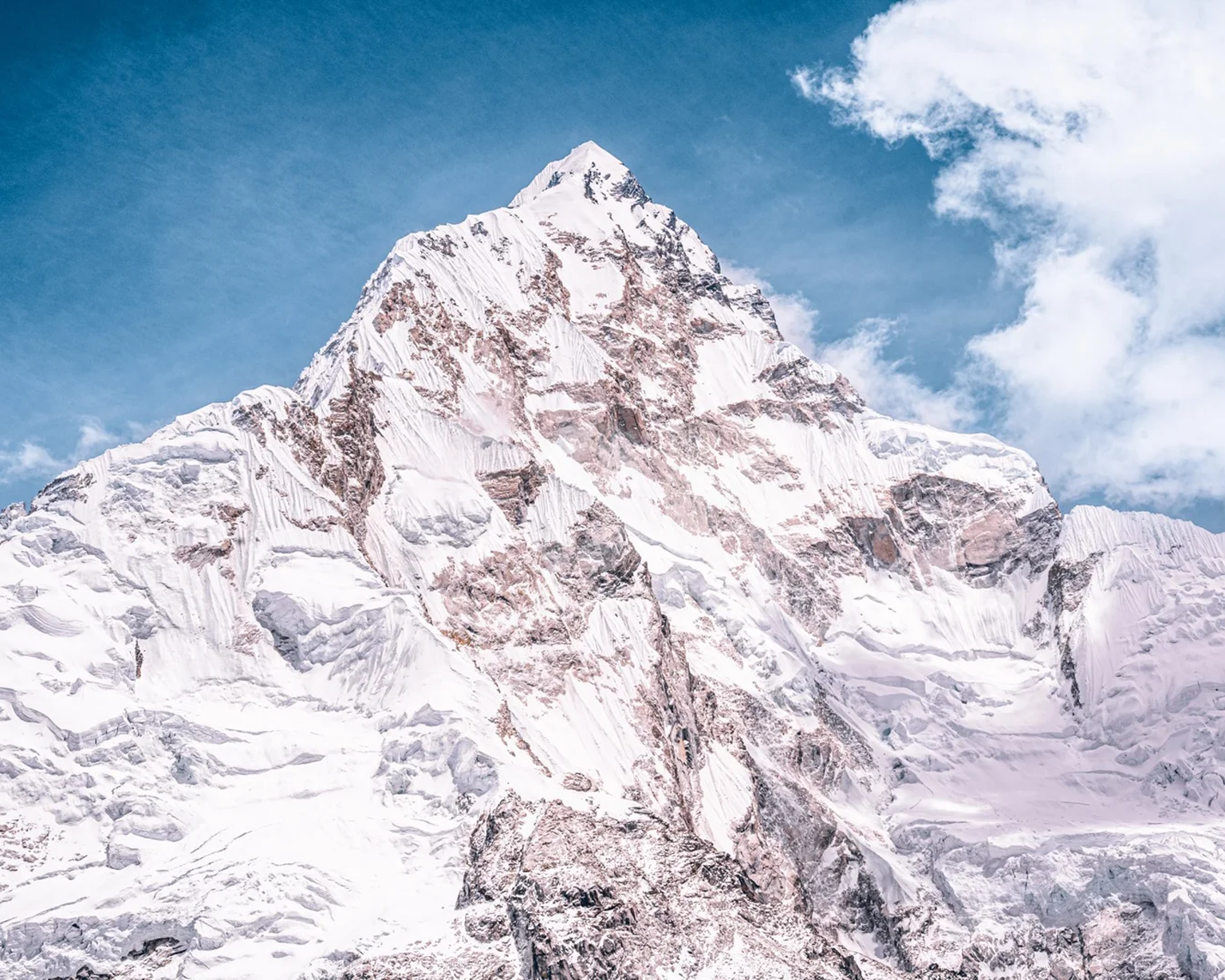
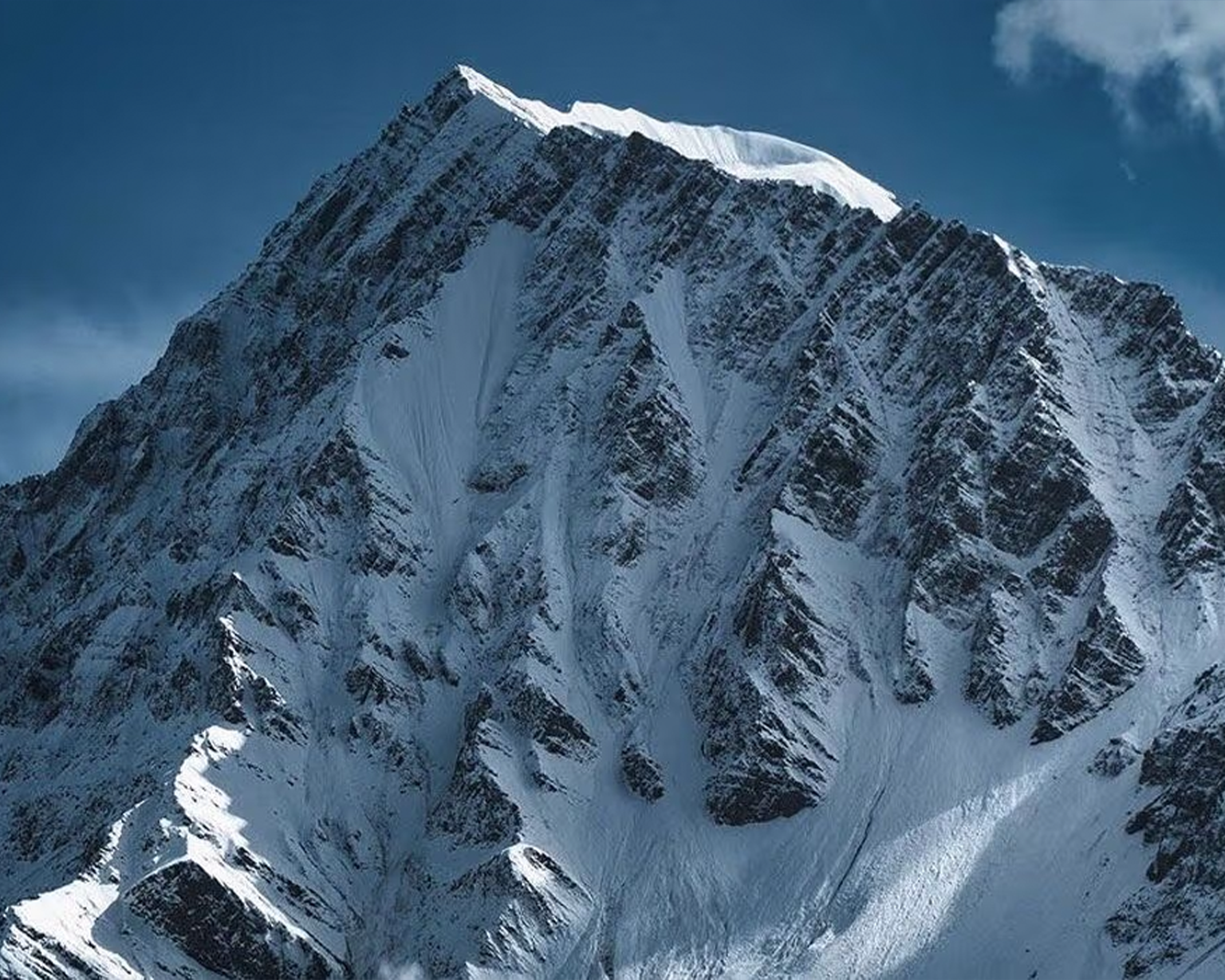
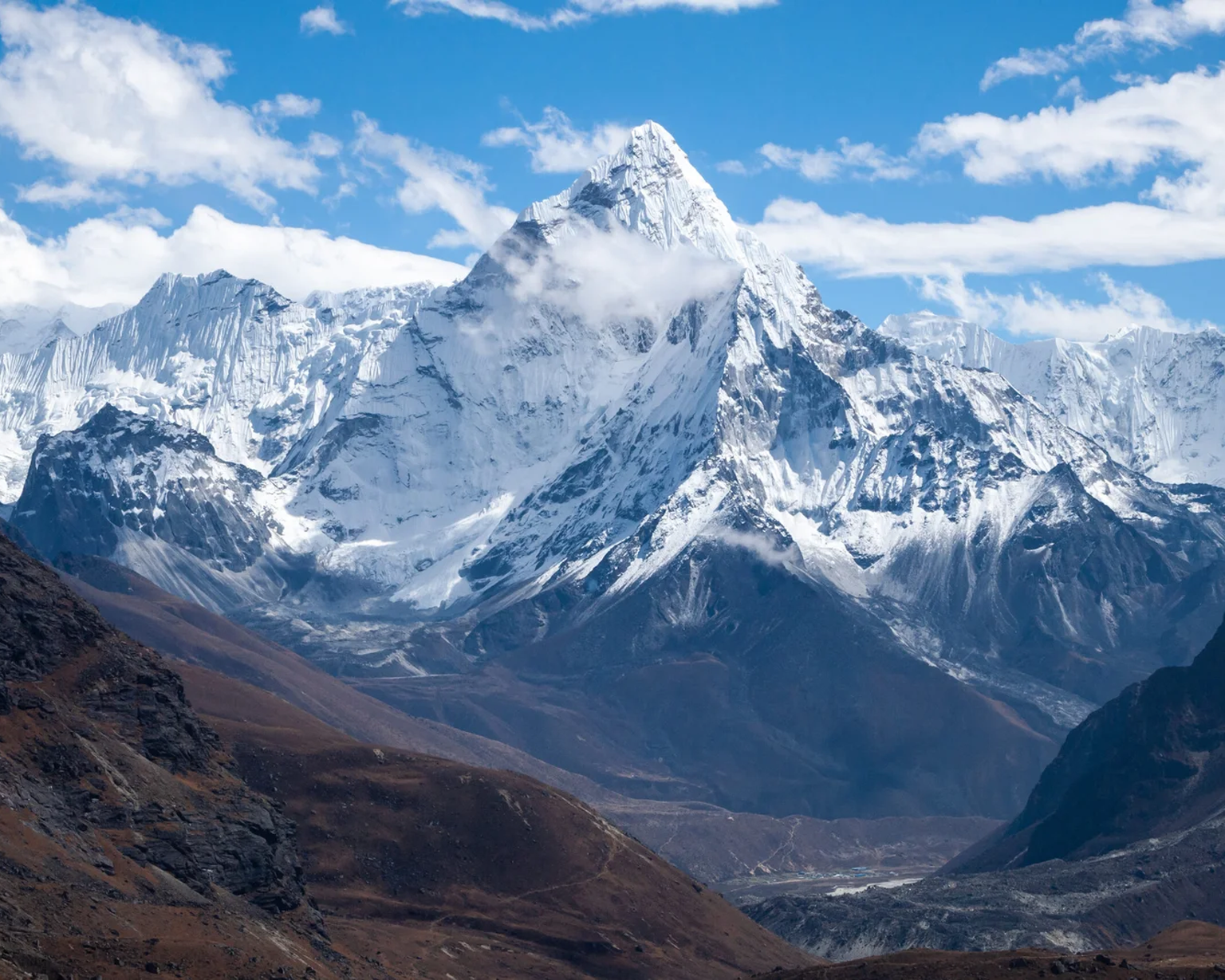
Ama Dablam, standing at 6,812m in eastern Nepal near Mount Everest, is widely regarded as one of the world’s most beautiful peaks. The name translates to “Mother’s Necklace” in the Sherpa language—Ama meaning “mother” and Dablam meaning “necklace.”
Often called the “Matterhorn of the Himalayas” due to its resemblance to the iconic Swiss-Italian peak, Ama Dablam is renowned as one of Nepal’s most technically challenging mountains to climb.
Detailed itinerary
Upon arrival at Tribhuvan International Airport (TIA), complete Nepal entry visa formalities at the immigration counter. Our representative will warmly welcome you in the arrival hall and transfer you to your hotel in Kathmandu. After check-in, rest and recover from your international journey. In the evening, a short welcome meeting and preliminary briefing about the expedition program will be provided.
This day is dedicated to expedition preparation and administrative arrangements. Our team completes all required permits and official documentation with the Nepal Mountaineering Association and relevant government authorities. A thorough equipment check is conducted to ensure all personal and technical climbing gear meets safety standards. You will meet the expedition leader for a detailed briefing covering the climbing route, acclimatization plan, safety procedures, and logistics.
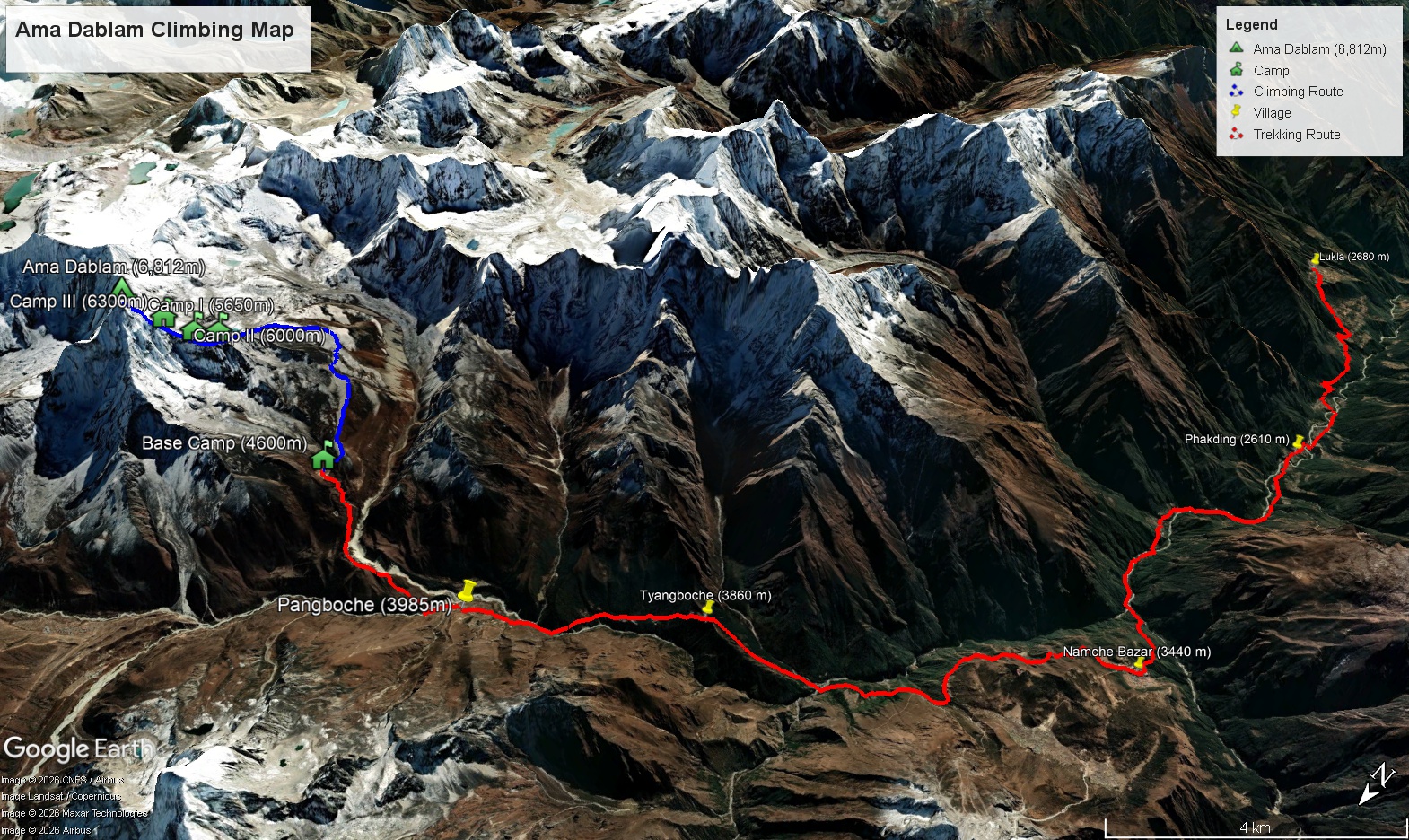
Early morning transfer to the airport for a scenic flight to Lukla, offering breathtaking views of the Himalayan range. Upon arrival, meet the trekking crew and begin the trek toward Phakding. The trail descends gently through pine forests, passing traditional Sherpa villages and mani walls along the Dudh Koshi River. Overnight at a lodge in Phakding.
The trail follows the Dudh Koshi River, crossing several suspension bridges including the famous Hillary Bridge. After entering Sagarmatha National Park, the route climbs steeply through forested trails. On a clear day, first views of Mount Everest can be seen. Arrival at Namche Bazaar, the main commercial hub of the Khumbu region. Overnight at a lodge.
A crucial acclimatization day to help the body adjust to altitude. Optional hikes include Everest View Hotel, Syangboche, or a visit to the Sherpa Museum. These hikes offer panoramic views of Everest, Lhotse, Ama Dablam, and Thamserku. The afternoon is spent resting, hydrating, and preparing for higher elevations.
The trek continues along a scenic trail with magnificent views of Everest, Nuptse, Lhotse, and Ama Dablam. Descend to Phunki Tenga before a steady climb through rhododendron forests to Tengboche. Visit the famous Tengboche Monastery, the spiritual center of the Khumbu region. Overnight at a lodge.
Today’s walk is short and scenic, passing through alpine landscapes and traditional Sherpa settlements. Pangboche is one of the oldest villages in the Khumbu region and offers stunning views of Ama Dablam. Visit the local monastery and enjoy the peaceful mountain surroundings. Overnight at a lodge.
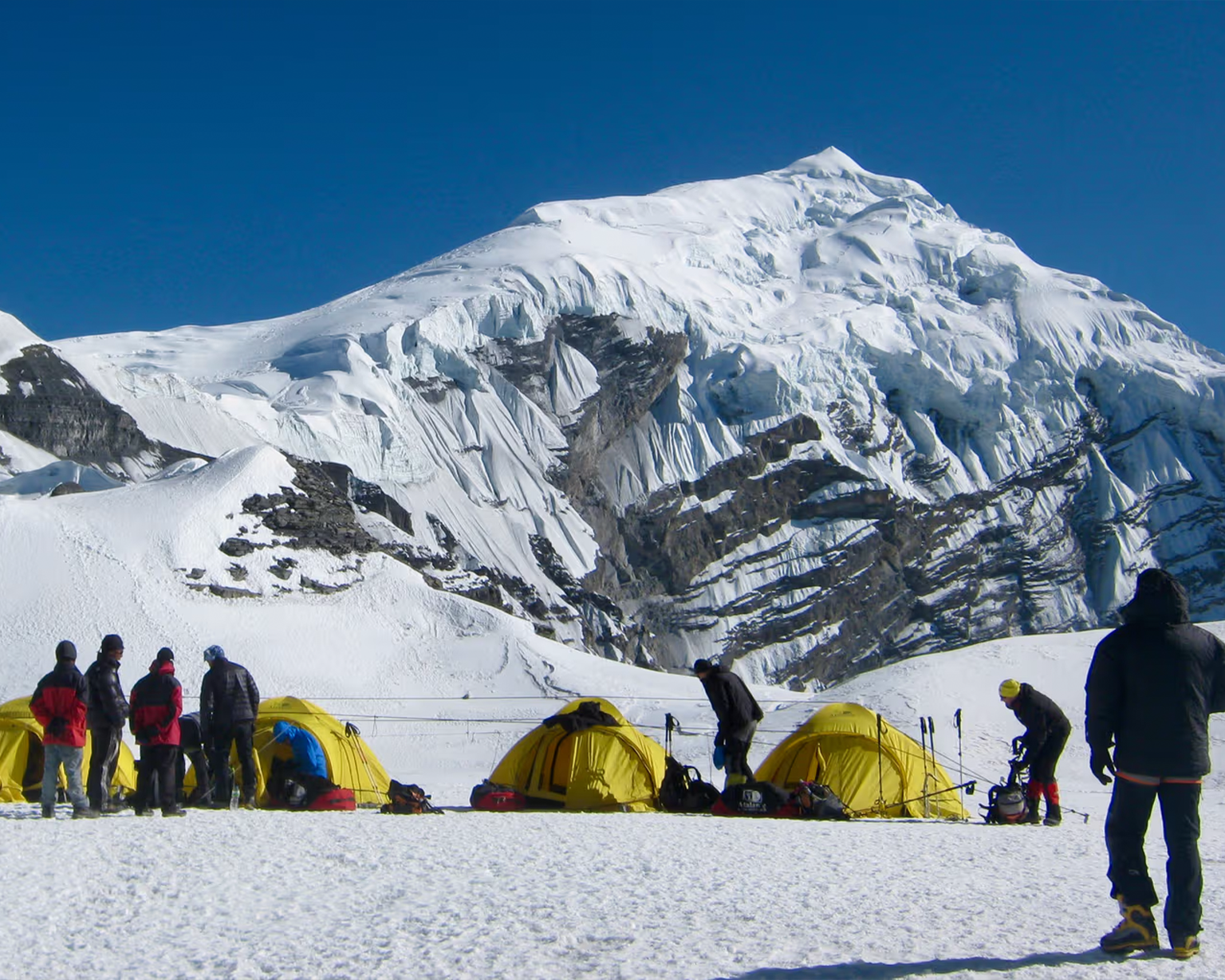
The trail ascends gradually through yak pastures and rugged alpine terrain toward Ama Dablam Base Camp. Upon arrival, the team establishes base camp with tents, kitchen, and dining facilities. The remainder of the day is spent resting, hydrating, and organizing climbing equipment. Overnight at Base Camp.
A full rest day to allow proper acclimatization. Short walks around base camp and light activity help with altitude adaptation. Final checks of climbing gear and ropes are conducted while enjoying spectacular close-up views of Ama Dablam’s southwest face.
A training and acclimatization hike toward Camp I along rocky ridges and fixed rope sections. Climbers practice movement on exposed terrain before descending back to Base Camp. This helps prepare both physically and mentally for rotations. Overnight at Base Camp.
A full training day focusing on technical skills required for Ama Dablam. Training includes rope techniques, use of crampons, ice axes, ascenders, descenders, and fixed-line travel. Safety protocols and rescue techniques are reviewed to ensure readiness for higher camps.
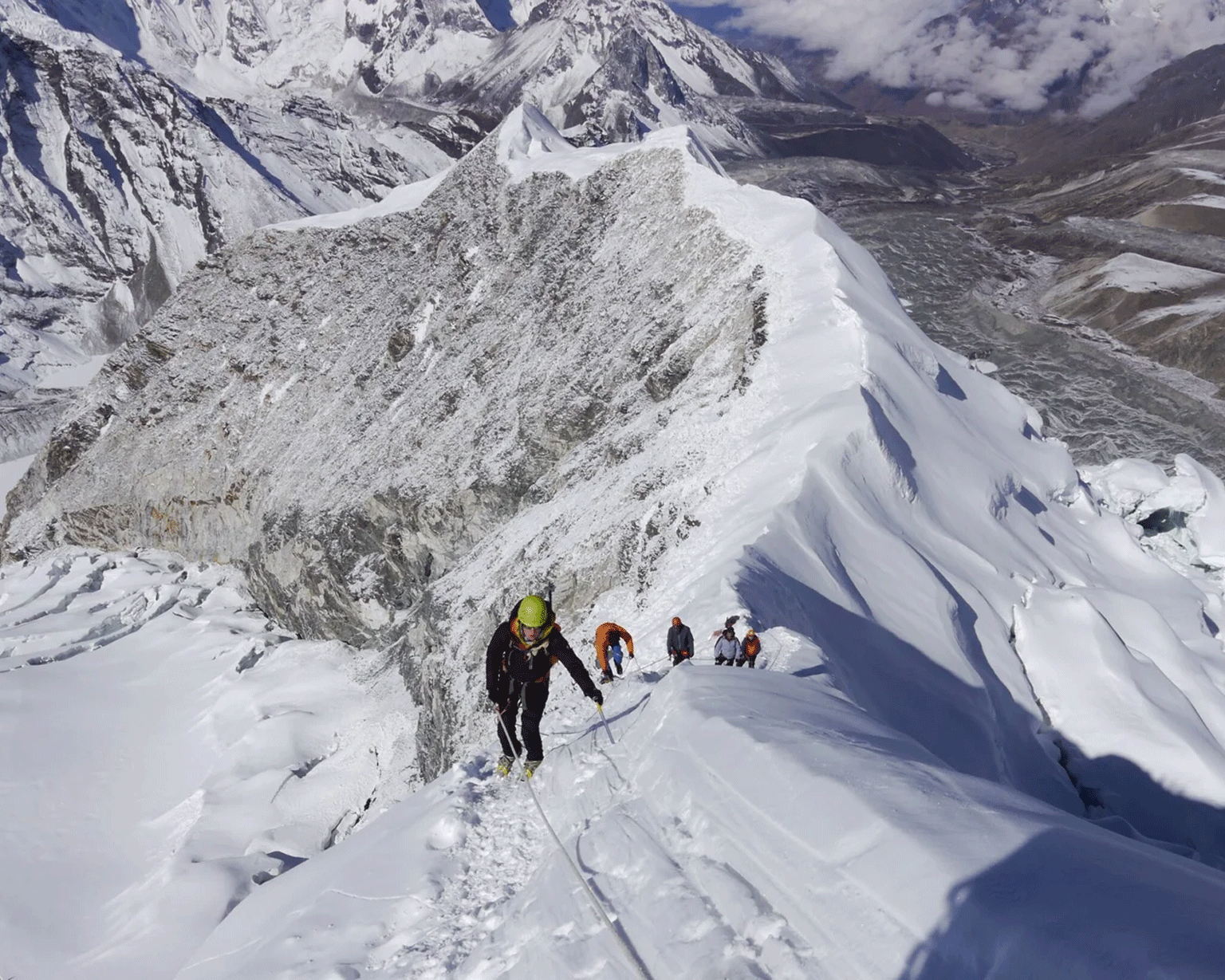
Begin the first rotation toward Camp I, climbing steep rock sections and exposed ridges using fixed ropes. Camp I is located on a narrow ridge with dramatic views of the surrounding peaks. Overnight at Camp I.
Climb further above Camp I toward Camp II for acclimatization before descending carefully back to Base Camp. This “climb high, sleep low” strategy significantly improves acclimatization. Overnight at Base Camp.
Two full days dedicated to rest, recovery, and preparation for the final summit push. Weather forecasts are closely monitored. Equipment is reorganized, oxygen (if used) is prepared, and final briefings are conducted.
Begin the summit rotation by climbing again to Camp I. The familiar route helps conserve energy and confidence. Overnight at Camp I.
Climb from Camp I to Camp II, traversing exposed sections, steep rock faces, and fixed ropes. Camp II is located on a small ledge beneath the hanging glacier, offering incredible views but requiring careful movement. Overnight at Camp II.
Ascend the famous Yellow Tower and Mushroom Ridge, considered the most technical section of Ama Dablam. Fixed ropes are used extensively. Camp III is small and exposed, serving as the final staging point before the summit. Overnight at Camp III.
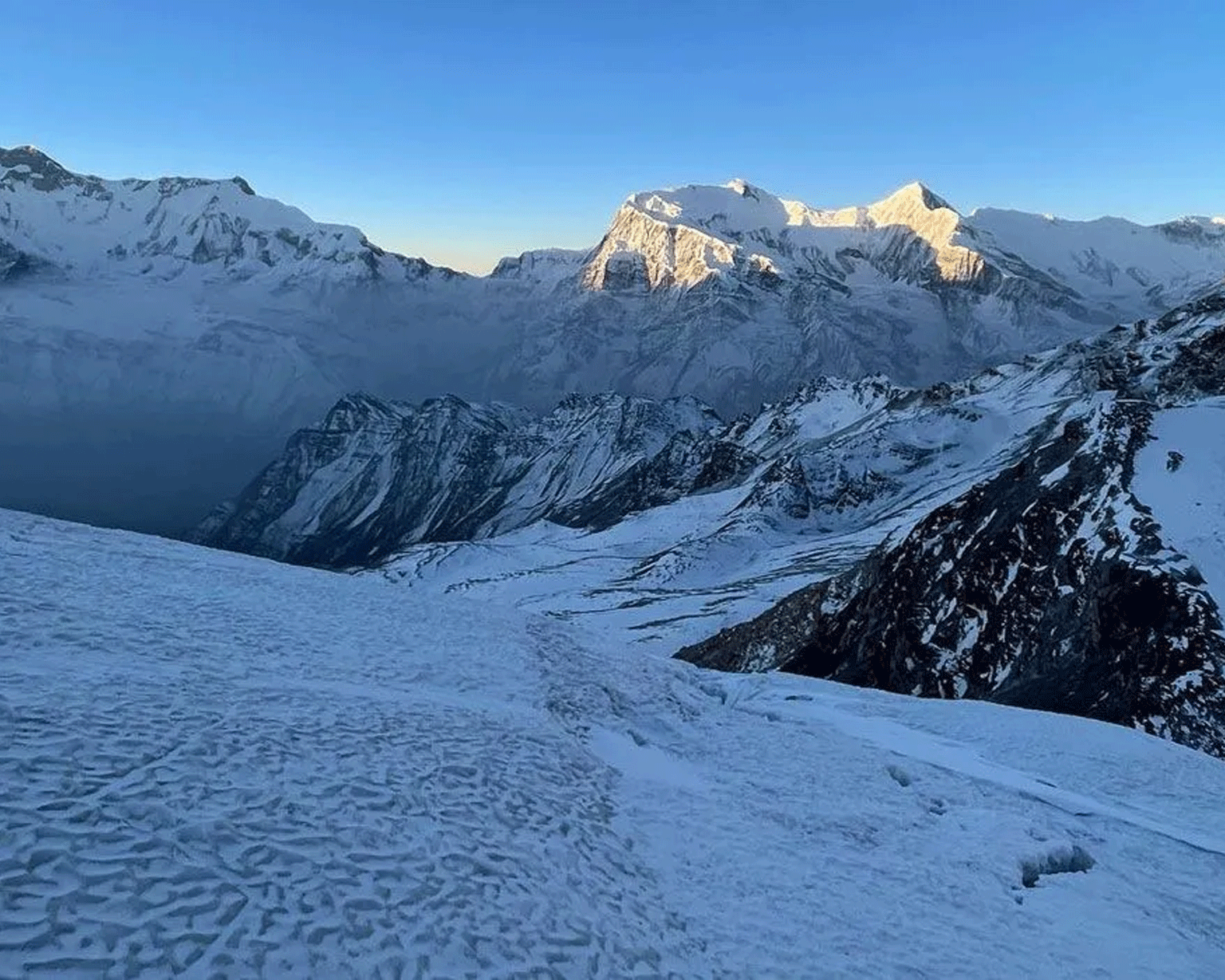
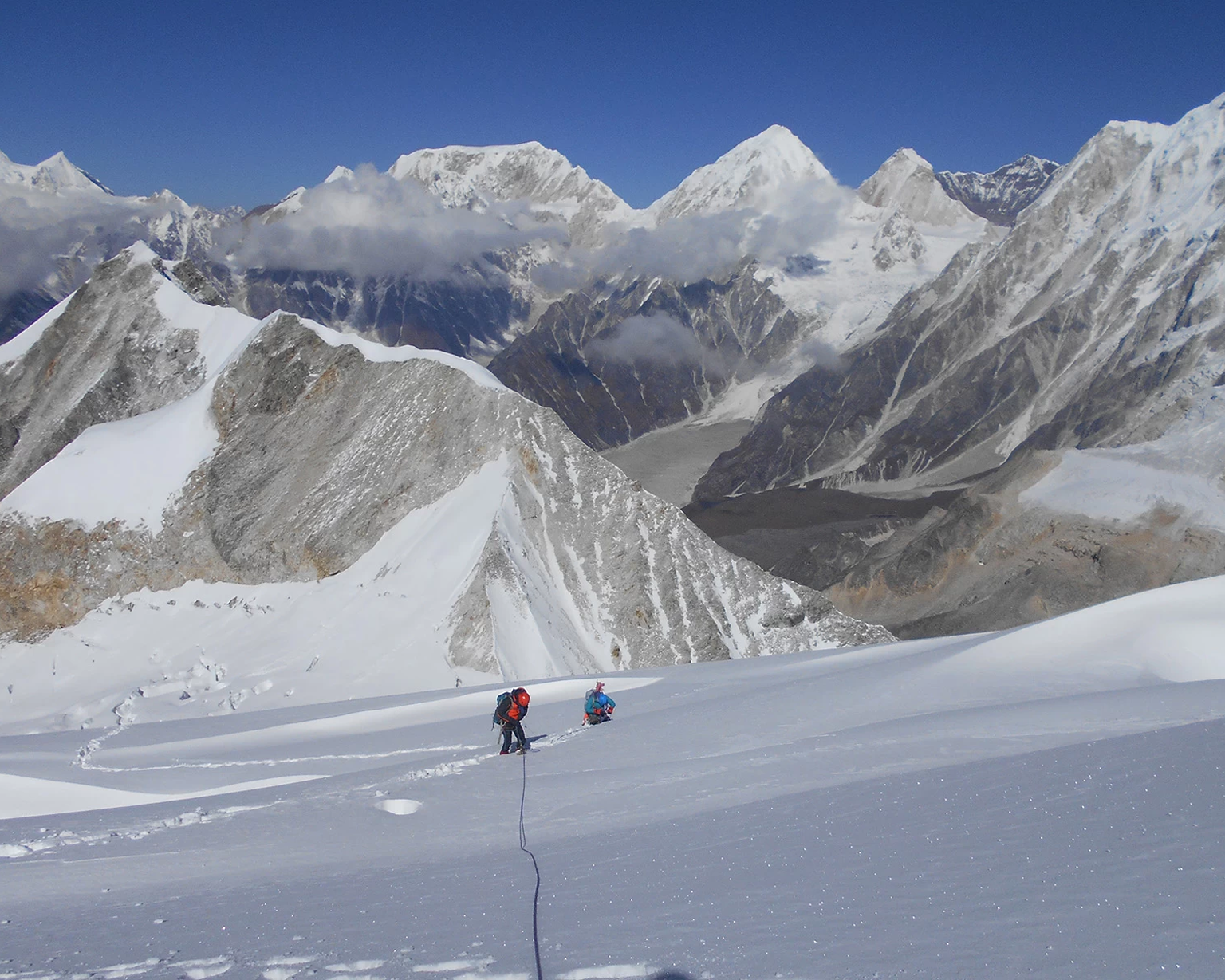
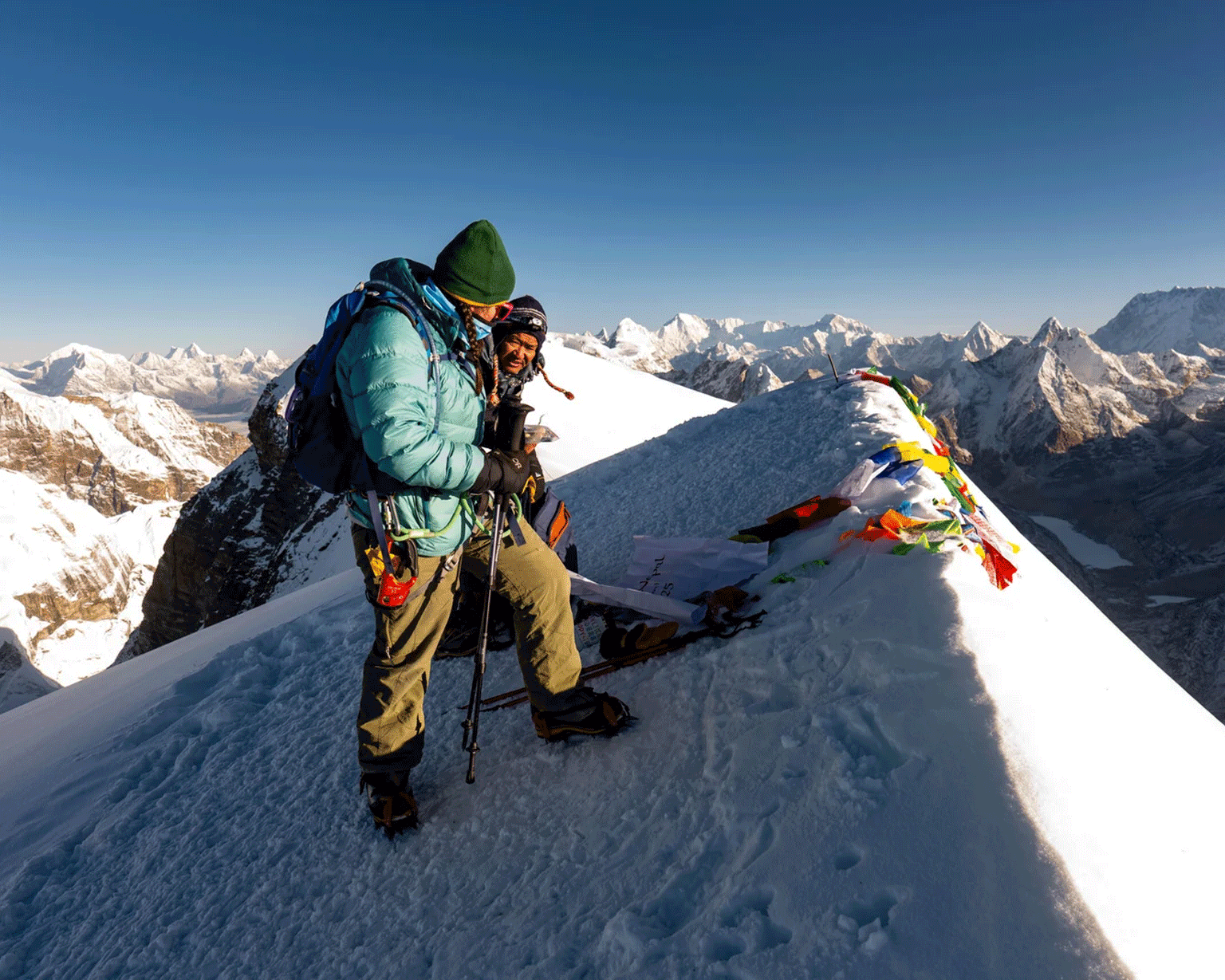
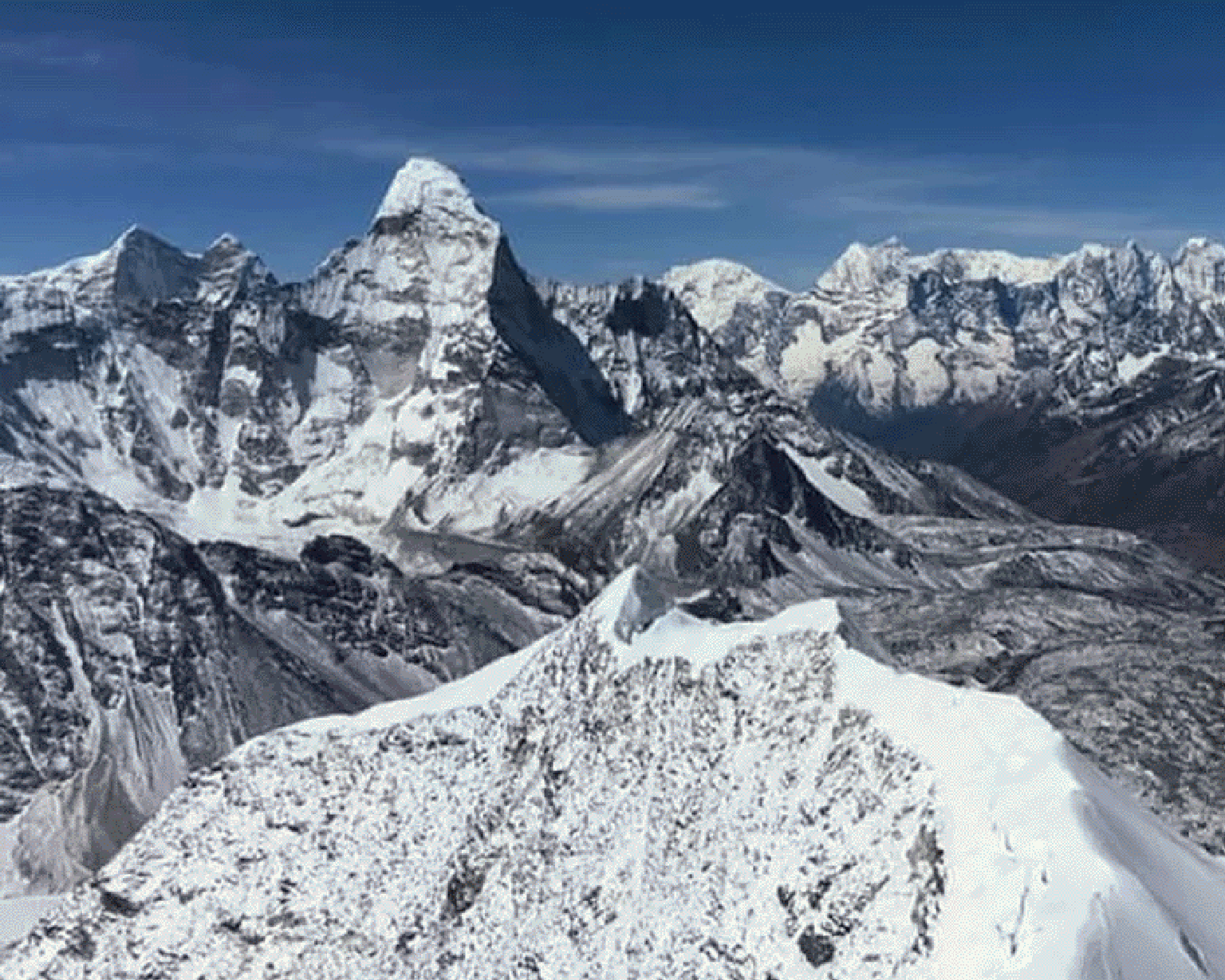
An early alpine start for the summit attempt. The route follows steep snow and ice slopes, leading to the summit ridge. From the summit, enjoy breathtaking panoramic views of Everest, Lhotse, Makalu, Cho Oyu, and the entire Khumbu region. After the summit, descend carefully to Camp III or Camp II depending on conditions.
Continue descending safely through Camp I and return to Base Camp. Celebrate a successful climb and enjoy a well-earned rest.
A full day to relax, recover, and pack equipment. This day also serves as a contingency in case of weather delays during the summit phase.
Dismantle Base Camp, organize equipment, and prepare loads for the trek back. Final interaction with the local staff and porters.
Descend through Pangboche and alpine trails back to Tengboche. Overnight at a lodge.
Continue descending through forests and villages, returning to Namche Bazaar. Enjoy hot showers, bakeries, and modern comforts. Overnight at a lodge.
Final trekking day, descending along the Dudh Koshi River to Lukla. Farewell dinner with trekking staff and crew. Overnight at a lodge.
Early morning flight back to Kathmandu. Transfer to your hotel. The rest of the day is free for relaxation.
A leisure day for sightseeing, spa treatments, souvenir shopping, or personal exploration of Kathmandu Valley.
Completion of expedition formalities, summit documentation, and official paperwork with authorities.
According to your international flight schedule, transfer to Tribhuvan International Airport for your onward journey. The expedition concludes with unforgettable memories of Ama Dablam and the Himalayas.
Includes:
• Airport pick-up and drop-off.
• First visit two night and second visit two night hotel in Kathmandu.
• Domestic tickets (two ways) and airport taxes.
• Three meals daily.
• National park entry fees.
• Liaison officers.
• Permit for Ama Dablam mountain.
• High food and utensils up to basecamp.
• Team equipment.
• Walkie-Talkie.
• Two persons sharing base tent up to base, single in base.
Excludes:
• Visa fees if you are getting your visa on arrival.
• Meals in Kathmandu.
• Extra night in Kathmandu.
• International tickets.
• Travel and climbing coverage insurances.
• Extra drinks like juice, Coca-Cola, beer, Hard drinks etc.
• Hot shower during on the way to trekking.
• Thermos hot water.
• Local entry fees as like Monastery, Temples, Schools donation etc.
• Helicopter charge if you use or needed.
• Route setters charge.
• Personal equipment.
• Drone permit fee if you want to use /fly.
• Wi-Fi charges during trekking and in the base.
• Extra oxygen if you use.
Fixed Departures
Start Dates | End Date | GROUP SIZE | REMARKS | AVAILABILITY | TRIP ENQUIRY |
Jan 1, 2026 | May 31, 2026 | Open | |||
Jun 1, 2026 | Aug 31, 2026 | Closed | |||
Sep 1, 2026 | Dec 31, 2026 | On Request | Open |